
Folliculitis from Shaving Your Bikini Area: How Professional Waxing Helps
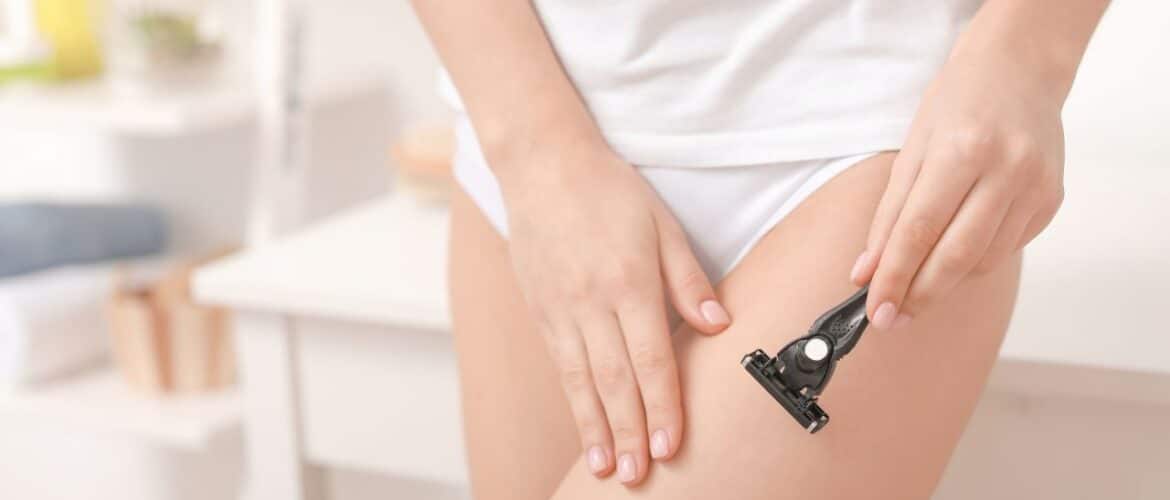
If you’ve ever noticed those angry red bumps after a razor pass, you’re dealing with folliculitis from bikini shaving, and you’re not alone. Folliculitis is a common skin condition that happens when hair follicles become inflamed or infected, and it shows up often after shaving because razors create tiny cuts that give bacteria an easy way in.
Read on for a closer look at why bikini shaving causes so many razor bumps and skin problems, and how switching to professional waxing can give you the smooth, confident results you’re after.
If you’ve ever experienced those angry red bumps after shaving your bikini area, you’re dealing with folliculitis, and you’re definitely not alone. Folliculitis is a common skin condition that happens when hair follicles become inflamed or infected. Bikini shaving frequently triggers this frustrating problem because razors create tiny cuts that give bacteria an easy way in.
Here’s the good news: professional waxing offers a better approach that removes hair from the root while dramatically reducing the mechanical irritation that causes folliculitis. Let’s walk through why bikini shaving causes so many skin problems, and how switching to waxing can give you the smooth, confident results you’re looking for.
Key Takeaways:
- Folliculitis develops when bacteria enter irritated hair follicles after bikini shaving, causing painful red bumps and inflammation
- Razors create surface cuts that irritate skin; over 50% of users experience razor burn within five minutes of shaving
- Professional waxing lasts 3-6 weeks compared to shaving's 1-3 days because it removes hair from the root
- Hard wax is gentler on sensitive areas since it adheres only to hair rather than pulling on your skin
- Proper preparation and aftercare make all the difference in preventing post-waxing folliculitis and keeping your skin smooth
What Actually Causes Folliculitis After Bikini Shaving?
Bikini shaving creates the perfect storm for folliculitis. Every razor pass cuts hair and drags across skin, creating micro-cuts that give bacteria an easy opening. The bikini area’s warm, moist environment adds ideal conditions for bacterial growth in those compromised follicles.
Research backs this up. Studies show that cartridge razors cause immediate skin irritation in over 53% of people within five minutes of shaving. That redness isn’t cosmetic; it’s inflammation that can progress to folliculitis once bacteria colonize the follicles.
- Choose professional waxing if: You’re tired of dealing with constant razor burn, red bumps, and that uncomfortable prickly feeling that shows up just hours after shaving.
How Does Razor Burn Lead To Skin Irritation?
Razor burn develops when blade friction strips away your skin’s protective outer layer. Safety razors cause less irritation than cartridge razors (about 36% of cases), but the scraping action still inflames sensitive bikini skin.
Blade pressure and angle matter too. A dull razor tempts you to press harder, which damages your skin’s barrier further, and multiple passes over the same spot compound the trauma and folliculitis risk.
What Are Ingrown Hairs And Why Do They Keep Happening?
Ingrown hairs happen when shaved hair shafts curl back and pierce the skin instead of growing outward, a condition called Pseudofolliculitis Barbae. Curly or coarse hair is more prone to this because it naturally curves as it grows.
Those dark spots after shaving are commonly called “strawberry legs”, open pores filled with oil, bacteria, and dead skin cells that darken when exposed to air and become more noticeable once shaving removes the protective hair covering.
Does Your Shaving Technique Affect Follicle Health?
Absolutely. Shaving against the grain gives the closest shave but sharply raises ingrown hair and folliculitis risk, since cutting hair below the surface lets it retract and curl inward, triggering inflammation.
Old or shared razors add even more bacteria to vulnerable skin, since blades collect dead cells and bacteria between uses, especially in humid bathrooms. Fresh blades cut bacterial transfer, but the mechanical irritation that sets up folliculitis remains.
How Is Professional Waxing Different From Shaving?
Professional waxing takes a different approach: instead of cutting hair at the surface, wax adheres to the shaft and pulls it out from the root, eliminating the blunt hair ends that cause ingrown hairs after shaving.
Trained estheticians apply wax at precise temperatures and angles to minimize skin trauma, assessing your skin sensitivity and hair type first to select the right formulation. Our professional services keep results smooth and your skin healthy.
How Does The Waxing Process Actually Work?
Your esthetician applies heated wax in the direction of hair growth. As it cools, the wax hardens around each hair shaft and creates a strong grip; then the strip is removed against the growth direction, extracting hair completely from the follicle.
Hair needs to reach 1/4 to 1/2 inch for the wax to grip effectively. Shorter hair can break at the surface instead of extracting from the root, which defeats the purpose of waxing.
- Choose waxing when: You want results that last weeks instead of days, and you’re ready to ditch the daily shaving routine.
What Changes Can You Expect In Hair Regrowth And Skin Texture?
Waxing keeps skin smooth for three to six weeks because it removes the entire hair shaft, compared to shaving’s one to three days of stubble-free skin. Fewer treatments mean more time for your skin to heal between sessions.
Your skin also gets gentle exfoliation during wax removal, since dead cells naturally lift away with the wax. That’s what creates the smoother texture compared to the rough stubble that follows shaving.
Which Wax Types Work Best For Sensitive Bikini Skin?
Not all wax works the same way, and the right type for your bikini area comes down to how it interacts with your skin. Our hard vs. soft wax breakdown covers it in full, but here is the short version:
Wax Type | Ideal For | Key Trait |
Hard Wax | Sensitive areas like the bikini zone | Adheres only to hair, not skin; no cloth strips needed |
Soft Wax | Larger areas like legs and arms | Covers more surface area quickly; bonds to hair and skin |
What Are The Real Benefits Of Professional Waxing For Bikini Area Skin Health?
Professional waxing lowers folliculitis risk by eliminating the blade-to-skin contact that creates micro-cuts. Removing hair from the root also prevents the blunt-ended stubble that leads to ingrown hairs, since the entire hair shaft comes out rather than leaving fragments behind.
The physical exfoliation during wax removal clears away dead skin cells that could trap emerging hair, so clean follicles let new hair grow outward instead of curling inward. This helps with avoiding ingrown hairs and the inflammation that comes with folliculitis.
How Does Waxing Actually Reduce Folliculitis And Ingrown Hairs?
Waxing extracts hair in its natural growth direction once the wax hardens around the shaft, keeping the follicle opening intact instead of damaging it with blade friction. Intact follicles resist bacterial colonization far better than shaving’s abraded ones.
Waxed hair regrows with a tapered tip that emerges easily through the skin, while shaved hair grows back with a blunt, thicker end that struggles to break the surface. This difference in hair-end shape directly affects whether hair becomes ingrown.
What Skin Care Practices Support Better Waxing Results?
Exfoliating 24 to 48 hours before your appointment removes dead cells that could trap new hair growth. Gentle scrubs or chemical exfoliants clear the follicle opening without irritating skin, setting up a better foundation for hair extraction.
Post-wax care calls for fragrance-free moisturizers or aloe vera to calm inflammation without introducing irritating chemicals. Proper aftercare means avoiding hot baths and intense workouts for 24 to 48 hours to prevent bacteria from entering open follicles.
Why Does Waxing Provide Longer-Lasting Smoothness?
Hair removed from the root takes three to six weeks to regrow through the full follicle depth, which cuts down on daily maintenance and gives your skin more time to recover between sessions.
Waxing on a regular schedule also synchronizes your hair growth cycles over time, so more hairs enter the resting phase together and regrowth patterns become more uniform.
- Expected outcome: After your first few waxing sessions, many clients notice regrowth that feels softer against the skin, with the same smooth three to six week stretch between appointments.
How Should You Prepare Your Bikini Area For Professional Waxing?
Proper preparation determines whether waxing extracts hair cleanly or breaks it at the surface. Skin should be clean, dry, and free of lotions or oils that interfere with wax adhesion.
Assessing your skin health before scheduling ensures safe waxing conditions. Active irritation, sunburn, or open cuts need to heal first, and certain medications can affect how your skin tolerates waxing. Following preparation guidelines makes a huge difference in your experience.
Why Does Hair Length Matter Before Your Waxing Appointment?
Hair needs to reach at least 1/4 inch for the wax to grip properly. Shorter hair breaks at the surface instead of pulling from the root, which can actually raise your ingrown hair risk.
Hair longer than 1/2 inch adds discomfort without improving results, since more force is needed to extract it. Your esthetician can advise on the ideal timing for your next appointment.
What Pre-Wax Exfoliation Techniques Help Prevent Folliculitis?
Gentle exfoliation 24 to 48 hours before waxing frees trapped hairs and removes dead cells. Physical scrubs or glycolic acid exfoliants work well; skip exfoliating within 24 hours of your appointment since that can sensitize skin.
Cleared follicle openings let wax reach deeper into the hair shaft for stronger adhesion and more complete extraction, while also reducing the bacterial presence that could cause post-waxing infection.
What Skin Conditions Should Delay Your Waxing Appointment?
Active irritation, sunburn, or open cuts need to heal completely before waxing, since compromised skin can’t withstand hair extraction without excessive trauma. Treating these first prevents complications like skin lifting or infection.
Retinol or Accutane thins your skin’s outer layer, raising your risk of skin lifting or abrasion during waxing. Sensitive skin requires special considerations, always inform your esthetician about any medications or skin conditions before your appointment.
What Are The Best Aftercare Steps To Minimize Folliculitis After Waxing?
Immediate post-wax care focuses on soothing inflammation and preventing bacterial infection while follicles are still vulnerable. What you do in this window largely determines whether folliculitis develops.
Following professional aftercare guidance protects your results and your skin health. These simple precautions prevent most post-treatment complications, including infection and ingrown hairs.
Which Soothing Products Work Best After Waxing?
Fragrance-free moisturizers or aloe vera applied immediately after waxing calm inflammation without irritating exposed follicles. Products containing alcohol or artificial fragrances introduce unnecessary irritants to vulnerable skin. Natural, gentle formulations support your skin’s healing process without triggering sensitivity.
Hydrating ingredients restore the skin barrier disrupted during hair removal and prevent the dryness that could trap emerging hair, supporting smooth regrowth without ingrown complications.
What Activities Should You Skip To Prevent Skin Infection?
Skip hot baths, saunas, and intense workouts for 24 to 48 hours after waxing, since heat and sweat introduce bacteria to open follicles before they close naturally.
Tight clothing also creates friction against freshly waxed skin and traps heat and moisture. Loose, breathable fabrics keep the area dry and comfortable.
When Should You Seek Professional Help For Post-Waxing Irritation?
Persistent redness, swelling, or pain beyond 48 hours signals a possible infection that needs professional evaluation. Normal post-wax sensitivity should ease within two days as follicles close.
Pustules or spreading inflammation point to folliculitis that may need topical or oral antibiotics. Early treatment keeps the infection from spreading to nearby follicles.
How Does Professional Waxing Compare To Shaving In Real Cost And Convenience?
Shaving looks cheaper upfront, but the full picture favors waxing once you factor in frequency, ongoing supplies, and skin health. Here’s how the two methods actually compare:
What Do Shaving And Waxing Actually Cost Over Time?
Shaving | Professional Waxing | |
Removal method | Cuts hair at the surface | Removes hair from the root |
Results last | 1-3 days | 3-6 weeks |
Ongoing costs | Recurring razors, blades, and creams | Fewer visits, higher cost per visit |
Skin impact | Micro-cuts, higher irritation risk | Gentle exfoliation, lower irritation risk |
Professional waxing costs more per visit but needs far fewer visits a year. New clients at SOS Wax and Skincare get their first Brazilian for just $30, and our Maintenance rate rewards clients who rebook within four weeks with about 30% off, so consistent care stays affordable.
- Choose professional waxing if: You value your time, want to eliminate daily maintenance, and are ready to invest in a solution that actually solves the problem instead of creating new ones.
How Does Waxing Impact Your Hair Removal Routine?
Waxing frees you from daily shaving or weekly depilatory creams, giving you three to six weeks between appointments instead of a daily routine. That reduced frequency appeals to busy schedules.
The convenience goes beyond time saved. No more worrying about stubble on spontaneous trips or last-minute plans, and no daily decision about whether to shave.
What Do Consumers Actually Prioritize In Hair Removal?
Consumer research shows effectiveness and duration matter most when choosing a hair removal method, with cost often taking a back seat to skin health and how long results last. The 48% of Americans who remove body hair weekly increasingly favor methods that reduce folliculitis and irritation.
Younger demographics show particular interest in waxing, driven by social media and beauty awareness; Gen Z removes body hair most frequently at 54% weekly. Their willingness to invest in professional services is fueling waxing’s growth.
What Common Mistakes Cause Folliculitis When Shaving Or Waxing?
Improper technique and inadequate preparation cause most folliculitis cases after hair removal. Skipping exfoliation or proper skin cleansing creates conditions where bacteria thrive and ingrown hairs develop.
Understanding proper technique for both shaving and waxing significantly lowers your complication risk, since many people learn hair removal through trial and error rather than professional instruction.
How Can Poor Shaving Techniques Increase Your Skin Problems?
Shaving against hair growth gives the closest shave but sharply raises ingrown hair risk, since the blade cuts hair below the skin surface and traps it there to curl and inflame.
Excessive pressure to compensate for a dull blade damages your skin barrier further, and multiple passes over the same area compound the trauma. Sharp, single-blade passes minimize irritation while still getting the job done.
What Waxing Errors Raise Your Risk Of Folliculitis?
Incorrect wax temperature causes burns that compromise skin integrity and invite infection. Wax that’s too hot damages the skin’s outer layer, while cold wax fails to grip hair effectively; proper temperature control takes experience that at-home users often lack.
Bacteria entering open follicles after waxing is the primary path to folliculitis, often via unwashed hands touching freshly waxed skin. Professional estheticians maintain sterile conditions and follow safe hair removal practices that minimize this contamination risk.
How Can Following Correct Procedures Improve Your Skin Results?
Choosing the right wax type prevents unnecessary skin trauma: hard wax suits sensitive areas like the bikini zone since it adheres only to hair, while soft wax works better on larger areas like legs and arms.
Proper preparation and aftercare turn waxing from a potentially irritating procedure into a skin-improving treatment, preventing most complications along the way.
What makes professional waxing different: Licensed estheticians assess your individual skin type, use medical-grade products, maintain sterile conditions, and apply techniques that minimize trauma while maximizing results.
Stop The Cycle Of Irritation: Choose Professional Waxing For Healthy Bikini Area Skin
Bikini shaving creates the exact conditions where folliculitis thrives: mechanical irritation plus bacterial introduction to vulnerable follicles. Professional waxing offers a better alternative that removes hair from the root while cutting inflammation and infection risk.
At SOS Wax and Skincare, licensed estheticians deliver professional bikini waxing with proper technique and hygiene protocols, minimizing folliculitis risk and keeping results smooth for weeks, not days. We’ve been recognized in Best of Las Vegas for Best Waxing every year we’ve competed.
Ready to say goodbye to razor burn, ingrown hairs, and constant irritation? Book your first Brazilian wax for just $30, or call us at (702) 706-2121, and discover why thousands of Las Vegas clients trust us for their bikini area care. Book online or walk in to any of our seven convenient locations.
Frequently Asked Questions
Q1. What does folliculitis from bikini shaving look like?
A. Folliculitis from bikini shaving usually shows up as small red or pink bumps clustered around hair follicles, sometimes tender or warm to the touch. Mild cases fade within a few days on their own; pus-filled bumps or spreading redness need professional attention.
Q2. How long does folliculitis from shaving last?
A. Mild folliculitis from shaving typically clears up within a few days to a week with basic care, like keeping the area clean. More persistent cases can linger one to two weeks or longer. Switching to a method that doesn’t create fresh micro-cuts, like waxing, reduces how often it shows up.
Q3. Can waxing cause folliculitis too?
A. Waxing carries some folliculitis risk, but the mechanism differs from shaving since there’s no blade creating repeated micro-cuts. The main risk factors are wax temperature, unsterile equipment, or technique, which is why a licensed esthetician matters.
Q4. Is professional waxing better than shaving for ingrown hairs?
A. Professional waxing generally reduces ingrown hairs more effectively than shaving, since it removes the entire hair shaft from the root instead of cutting it at the surface, leaving no blunt-cut end to curl back in, a common cause with curly or coarse hair.
Q5. How soon can I switch from shaving to waxing if I already have folliculitis?
A. It’s wise to wait until active folliculitis or open bumps have fully healed before booking a wax, since waxing over compromised skin raises discomfort and infection risk. Once skin looks normal again, hair should reach about 1/4 inch for the wax to grip properly.

Genet Nemeth is the owner of SOS WAX and Skincare in Las Vegas. She loves talking about skincare and waxing with employees and clients. When not in one of her shops, you can find Genet enjoying a matcha tea ice cream cone at her favorite café.