Avoiding Ingrown Hairs: Exfoliation, Products & Care After Bikini Wax
Key Takeaways:
- Wait 48 hours before exfoliating: Your follicles are open and highly sensitive immediately after waxing; premature exfoliation causes irritation and infection.
- Chemical exfoliants beat physical scrubs: Salicylic Acid and Glycolic Acid penetrate pores to clear blockages without the micro-tears caused by harsh scrubbing.
- Avoid coconut oil in the bikini area: Despite its popularity, coconut oil is highly comedogenic and clogs follicles, causing breakouts and ingrown hairs.
- Loose cotton clothing is non-negotiable: Tight clothing and synthetic fabrics create friction and trap heat, forcing new hairs to grow sideways into the skin.
- Gentle consistency beats aggressive treatment: Exfoliate 2-3 times per week with light pressure; over-exfoliation and harsh scrubbing make ingrown hairs worse, not better.
Bikini waxing delivers smooth, long-lasting results, but only if you prevent the ingrown hairs that follow. Those painful red bumps aren’t inevitable. They’re the result of hair trapped beneath dead skin cells, friction from tight clothing, and pore-clogging products applied to vulnerable skin. The good news: avoiding ingrown hairs is completely preventable with the right aftercare routine.
This guide covers everything from when to exfoliate to which post-wax care products protect your skin and which ones sabotage it.
What Are Ingrown Hairs And Why Do They Happen After A Bikini Wax?
Ingrown hairs are the most common post-wax complaint. Understanding what causes them is the first step to prevention.
What Causes Ingrown Hairs In The Bikini Area After Waxing?
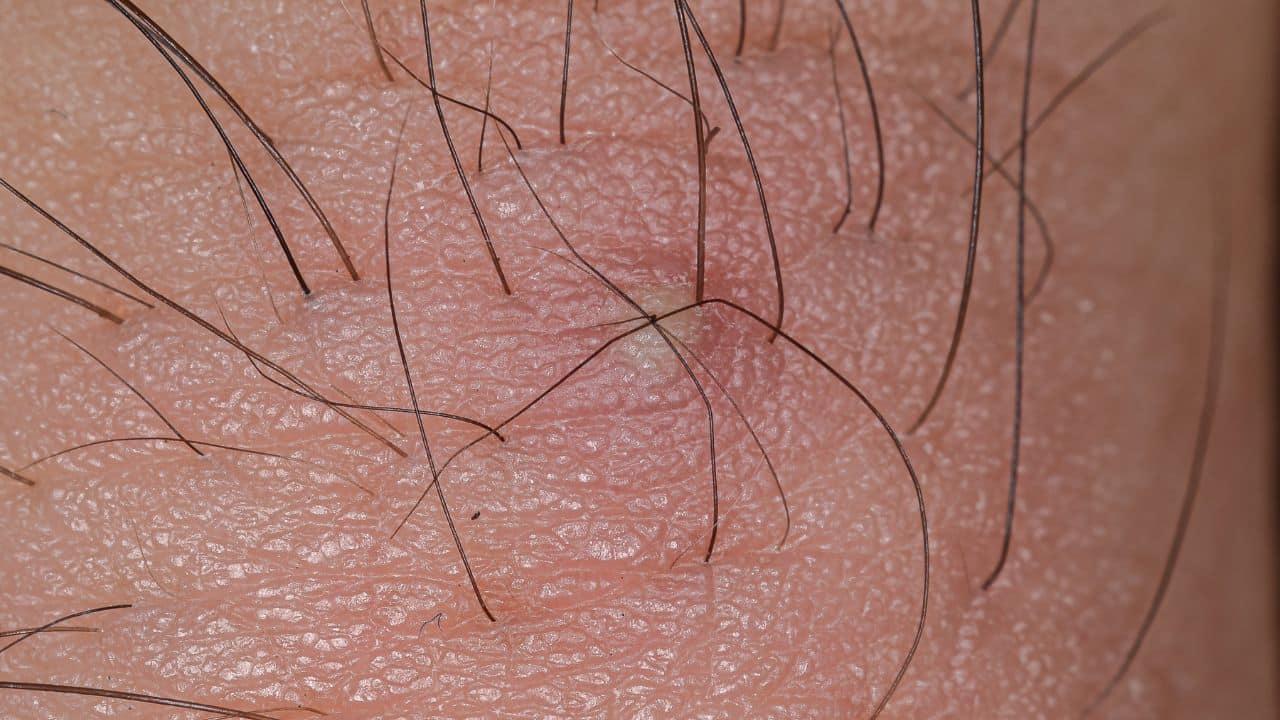
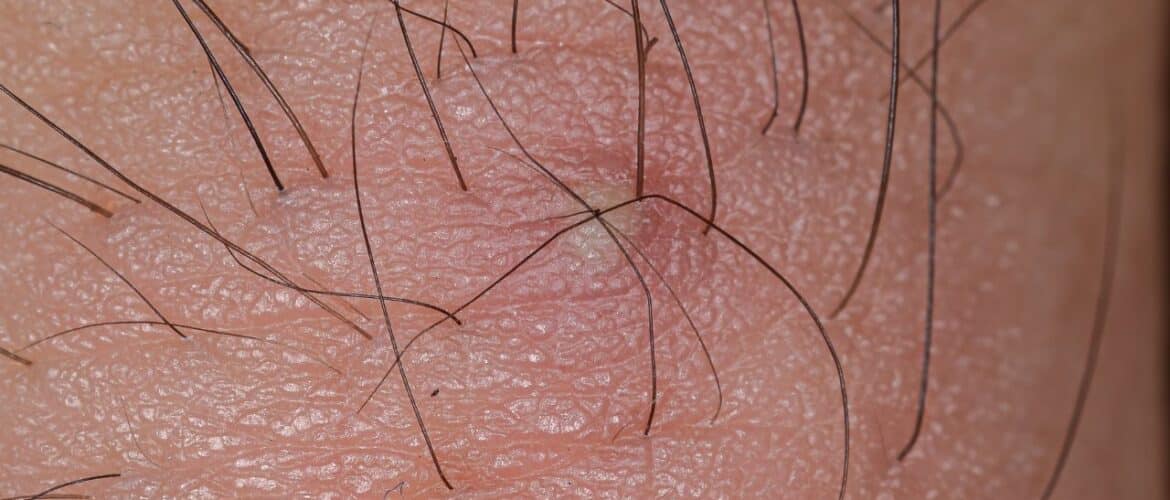
An ingrown hair occurs when hair curls back and grows into the skin instead of out of the follicle. This creates painful bumps, inflammation, redness, and sometimes pus-filled lesions.
Waxing increases the risk of ingrown hair because it removes hair from the root. The new hair grows back finer and softer. As dead skin cells accumulate on the surface, this finer hair struggles to break through, forcing it to grow sideways or curl back into the skin. The bikini line is especially prone to this problem due to the coarse, curly nature of the hair and frequent friction from clothing.
How Does Exfoliation Prevent Ingrown Hairs After A Bikini Wax?
Exfoliation after waxing clears the path for new hair growth by removing the layer of dead skin cells that trap emerging hairs beneath the surface.
When And How Often Should You Exfoliate After Waxing?
Do not exfoliate for the first 24-48 hours post-wax. Your follicles are open, and your skin is highly sensitive during this period. Wait until initial redness and tenderness subside before beginning any exfoliation routine.
Once healed, exfoliate 2-3 times per week. Use light, circular motions; never scrub aggressively. Aggressive scrubbing causes micro-tears and worsens irritation. Focus on ingrown-prone areas like the bikini line, but avoid over-exfoliating, which defeats the purpose.
Physical vs. Chemical Exfoliants: Which Works Best On The Bikini Line?
Exfoliant Type | How It Works | Suitability | Examples/Details |
Chemical Exfoliants | Dissolve the “glue” holding dead skin cells together, clearing follicles | Best (gentle and highly effective) | Glycolic Acid (AHA) and Salicylic Acid (BHA) penetrate pores to clear blockages and reduce inflammation |
Gentle Physical Scrubs | Manually slough off dead skin cells | Good | Fine-grained sugar or salt scrubs, exfoliating gloves, soft brushes |
Harsh Physical Scrubs | Large particles tear the skin | Avoid | Scrubs with crushed nuts or large, sharp granules are too abrasive for freshly waxed skin |
Which Products Help Prevent Ingrown Hairs After A Bikini Wax?
The right products soothe irritation, maintain hydration, and keep follicles clear. The wrong products clog pores and trap bacteria.
Best Moisturizers And Oils For Post-Wax Care
Use:
- Aloe Vera-Based Products – Anti-inflammatory and cooling; immediately calms skin and reduces redness
- Gentle, Fragrance-Free Lotions – Simple, non-irritating formulas only
- Hyaluronic Acid & Ceramides – Lock in moisture and repair the skin barrier
- Jojoba Oil – Mimics natural sebum; non-comedogenic and won’t clog follicles
Avoid:
- Coconut Oil – Highly comedogenic; causes breakouts and ingrown hairs in sensitive areas
- Fragrance & Alcohol – Primary culprits for post-wax irritation and dryness
- Heavy, Occlusive Creams – Trap dead skin cells and bacteria, clogging pores
Winter Adjustments:
- Switch to slightly richer (but still non-comedogenic) moisturizers
- Apply immediately after showering to lock in moisture
- Use a humidifier at night
- Replace foaming cleansers with creamier formulas
Targeted Ingrown Hair Treatments And Ingredients To Avoid
For active ingrown hairs, use products containing Salicylic Acid (BHA) or Glycolic Acid (AHA). These penetrate pores to clear blockages and reduce inflammation. Ingrown hair pads and serums formulated with these ingredients deliver the most effective results.
Avoid active skincare ingredients for 48-72 hours post-wax. Retinoids, Glycolic Acid, and Vitamin C are too harsh for compromised skin. Also, skip fragranced lotions, perfumes, and alcohol-based toners. Your skin is in a high-vulnerability period; protect it.
What Are The Essential Aftercare Steps In The First 48 Hours?
The first 48 hours determine whether you’ll have smooth skin or deal with irritation and ingrown hairs. Follow these critical waxing tips.
DO:
- Wait 24-48 hours before exfoliating – Follicles are open, and skin is highly sensitive
- Use lukewarm water for showering – Hot water strips natural oils and worsens dryness
- Wear loose-fitting, breathable clothing – Prevents friction and rubbing that cause irritation, redness, and ingrown hairs
- Wear soft, 100% cotton underwear – Wicks moisture, allows skin to breathe, reduces bacterial growth in open follicles
- Choose dresses, skirts, or loose sweatpants – Ideal post-wax outfit with cotton underwear
DON’T:
- No tight clothing – Skinny jeans, leggings, and synthetic fabrics trap heat and moisture, create friction, and clog pores
- No fragranced products – None, period
- No hot showers – Lukewarm water only
- No exfoliation – Wait the full 24-48 hours
How Do Clothing Choices And Daily Habits Impact Ingrown Hairs?
What you wear before and after waxing directly affects your results. The right clothing prevents ingrown hairs; the wrong clothing creates them.
Why Friction And Fabric Matter For The Bikini Area
Friction and heat are the enemies of freshly waxed skin. Before your waxing appointment, wear loose-fitting, comfortable clothing to keep the area clean and pressure-free. After your appointment, loose-fitting, breathable clothing prevents friction and rubbing that lead to irritation and trapped hairs.
Cotton underwear is non-negotiable. This natural, breathable fabric wicks moisture and allows skin to breathe, reducing bacterial growth in open follicles. Avoid tight clothing, skinny jeans, leggings, and synthetic fabrics that trap heat and moisture, create constant friction, and press against sensitive skin. Your best choice: a dress, skirt, or loose sweatpants paired with cotton underwear.
What Should You Do If You Already Have Ingrown Hairs?
Existing ingrown hairs require careful treatment. Aggressive picking or squeezing makes them worse, leading to infection and scarring.
How to Treat Existing Ingrown Hairs Without Making Them Worse
- Apply a warm compress – Hold a warm, damp washcloth on the affected area for 3-5 minutes. This softens skin and may help the hair surface naturally.
- Continue gentle exfoliation – Use chemical exfoliants (Salicylic Acid or Glycolic Acid) 2-3 times per week with light, circular motions. Never scrub aggressively; this causes micro-tears and worsens inflammation.
- Use targeted treatments – Apply ingrown hair serums or pads with Salicylic Acid or Glycolic Acid directly to bumps. These penetrate pores to clear blockages and reduce swelling.
- Leave stubborn ones alone – If the hair isn’t visible at the surface, don’t dig for it. Let the exfoliation process work over several days.
- Never pick, squeeze, or use tweezers prematurely – This introduces bacteria, causes infection, and creates permanent scarring.
- See a professional if infected – If you notice increasing pain, pus, or spreading redness, consult a dermatologist or your waxing specialist.
Common Myths That Make Ingrown Hairs Worse
Some popular advice actually worsens ingrown hairs. Here’s what not to do.
Myth 1: Scrubbing Hard Every Day Prevents Ingrown Hairs
Aggressive scrubbing causes micro-tears and inflammation, not clearer skin. Over-exfoliation is counterproductive; it irritates follicles and triggers excess skin cell production, creating the exact blockage you’re trying to prevent. The correct approach: gentle, consistent exfoliation 2-3 times per week using light, circular motions. More is not better.
Myth 2: All Body Oils Cause Ingrown Hairs
Not all oils are created equal. Jojoba oil is non-comedogenic, mimics natural sebum, and is an excellent post-wax choice. Coconut oil, however, is highly comedogenic and will clog your follicles, leading to breakouts and ingrown hairs. The type of oil matters more than oil use itself; choose wisely based on comedogenic ratings.
Your Simple 7-Day Post-Wax Routine To Prevent Ingrown Hairs
Timeline | Main Focus | Key Actions |
Day 0 (Wax Day) | Minimize irritation | Wear loose, breathable clothing + cotton underwear |
Days 1-2 | Allow healing | NO exfoliation; lukewarm water only; apply soothing moisturizer (aloe vera, fragrance-free lotion); loose clothing; avoid fragrance, alcohol, and active ingredients |
Days 3-4 | Begin prevention | Once redness/tenderness subsides, start gentle exfoliation 2-3× weekly; continue moisturizing; introduce chemical exfoliants (AHAs/BHAs) if desired |
Days 5-7+ | Maintain routine | Continue exfoliation 2-3× per week; daily moisturizing; proper clothing; avoid over-exfoliation |
Key Takeaways:
- Gentle exfoliation 2-3× weekly, starting 48 hours post-wax
- Non-comedogenic hydration: aloe vera, jojoba oil, fragrance-free lotions
- Loose, breathable cotton clothing
- Chemical exfoliants (Salicylic Acid, Glycolic Acid) for best results
- Avoid: fragranced products, alcohol, coconut oil, tight clothing, harsh scrubbing
Prevent Ingrown Hairs After A Bikini Wax
Preventing ingrown hairs after a bikini wax requires three simple commitments: wait 48 hours before exfoliating, then maintain gentle exfoliation 2-3 times per week; use only non-comedogenic, fragrance-free products; and wear loose, breathable cotton clothing. These strategies eliminate the conditions that trap hair beneath the skin. Consistency matters more than intensity; follow this routine and ingrown hairs won’t stand a chance.
Ready for a professional wax with expert aftercare guidance? Book your appointment at SOS Wax and get smooth, ingrown-free skin that lasts.