Why Waxing Is Better Than Shaving For Winter Events
Key Takeaways:
- Waxing provides 3-4 weeks of smoothness compared to shaving's 1-2 days, eliminating daily maintenance throughout the winter event season
- Schedule waxing during Days 7-14 of your menstrual cycle when rising estrogen increases pain threshold for maximum comfort
- Book appointments 24-48 hours before events to allow initial redness to subside while maintaining peak smoothness
- Winter weather demands extra care. Cold, dry air and tight clothing increase irritation risk from shaving, making waxing the superior choice
- Avoid sun exposure for 24-48 hours post-wax and use SPF 30+ on winter getaways to prevent hyperpigmentation and burns on vulnerable skin
Winter brings a packed calendar of occasions where appearance matters, holiday parties with strappy dresses, winter weddings captured in HD photography, tropical getaways requiring bikini confidence, and formal galas where every detail shows. While shaving might seem like the quick solution, it creates more problems than it solves: daily stubble, razor burn under tights, ingrown hairs from friction with winter layers, and visible shadow in close-up photos.
Waxing offers a different approach entirely. One appointment delivers 3-4 weeks of smooth, irritation-free skin, enough to cover your entire winter event season. But success requires proper timing, preparation, and aftercare, especially when cold weather and sun exposure from winter getaways enter the equation.
This guide reveals exactly when to schedule your wax, how to prepare your skin, and why waxing outperforms shaving for every winter occasion that matters.
Why Winter Events Demand Better Hair Removal Choices
Winter events create specific hair removal needs that shaving can’t meet. Cold, dry air already stresses your skin; adding daily shaving multiplies irritation. Tight winter clothing like tights and layers traps moisture and friction, turning minor razor bumps into painful ingrown hairs.
How Winter Outfits And Occasions Change Your Hair Removal Needs
Winter occasions demand flawless skin in key areas. Holiday parties mean strappy dresses showing legs and underarms. Winter weddings require close-up photos where stubble shows. Tropical escapes and spa weekends expose bikini areas. Heavy fabrics and HD photography reveal every imperfection shaving creates, from dark shadows under sheer tights to razor burn in flash photos.
How Waxing And Shaving Remove Hair Differently
Understanding each method’s mechanics explains why results differ so dramatically. The removal process determines how long smoothness lasts and what side effects you’ll face. The fundamental difference in the waxing vs shaving debate comes down to how deeply each method removes hair.
What Happens When You Shave
Shaving cuts hair at the skin’s surface only. Stubble returns in 12-48 hours. The blade creates blunt hair tips that feel prickly immediately. Every pass risks razor burn, nicks, cuts, and irritation. You’re treating symptoms, not solving the problem.
What Happens When You Wax
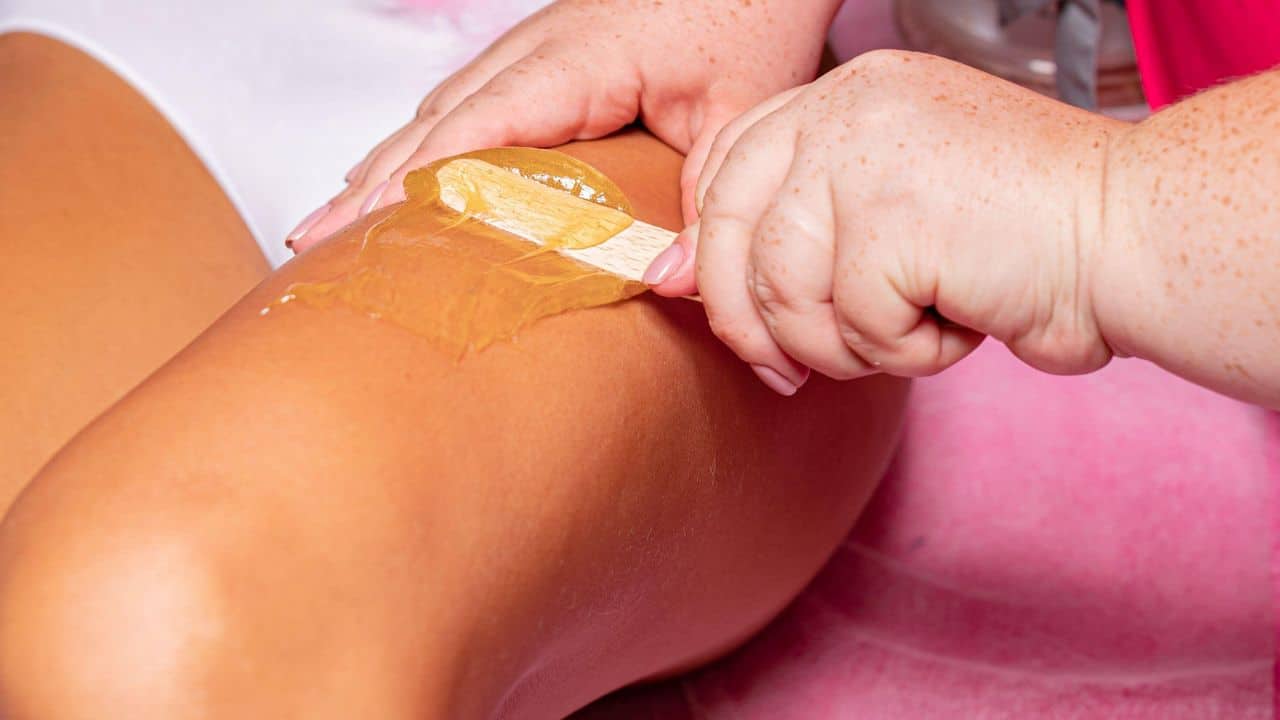
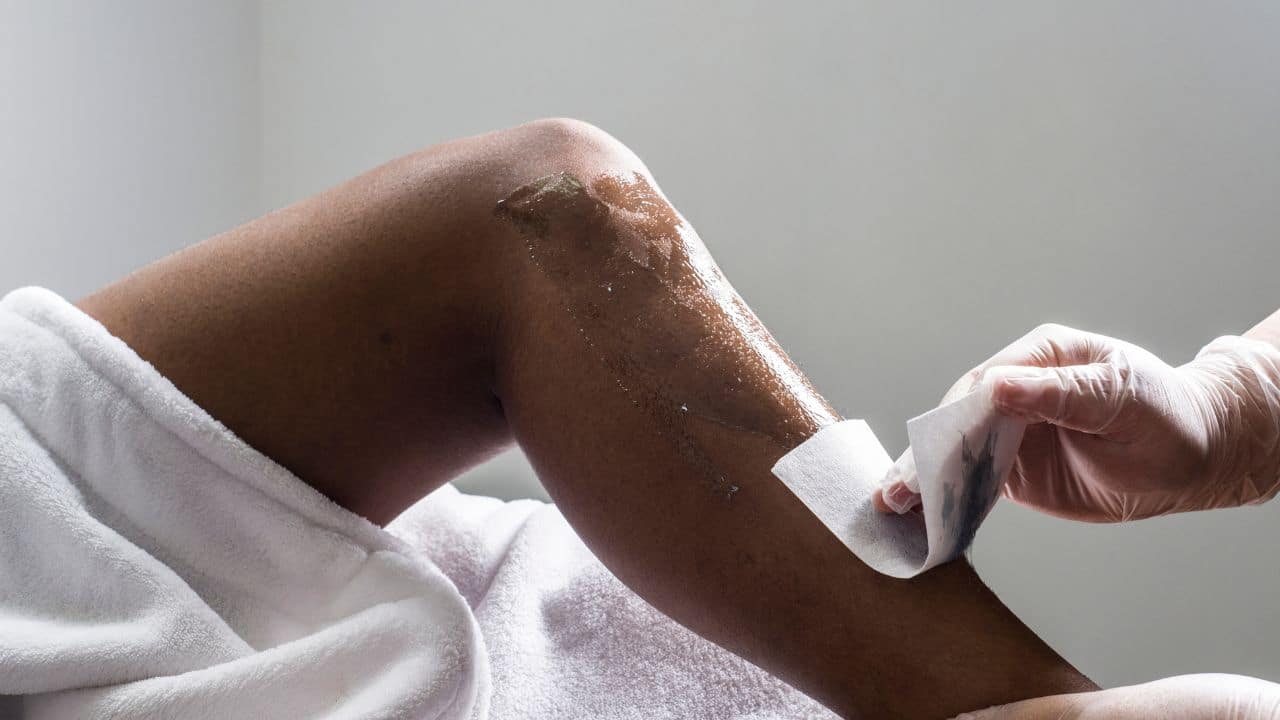
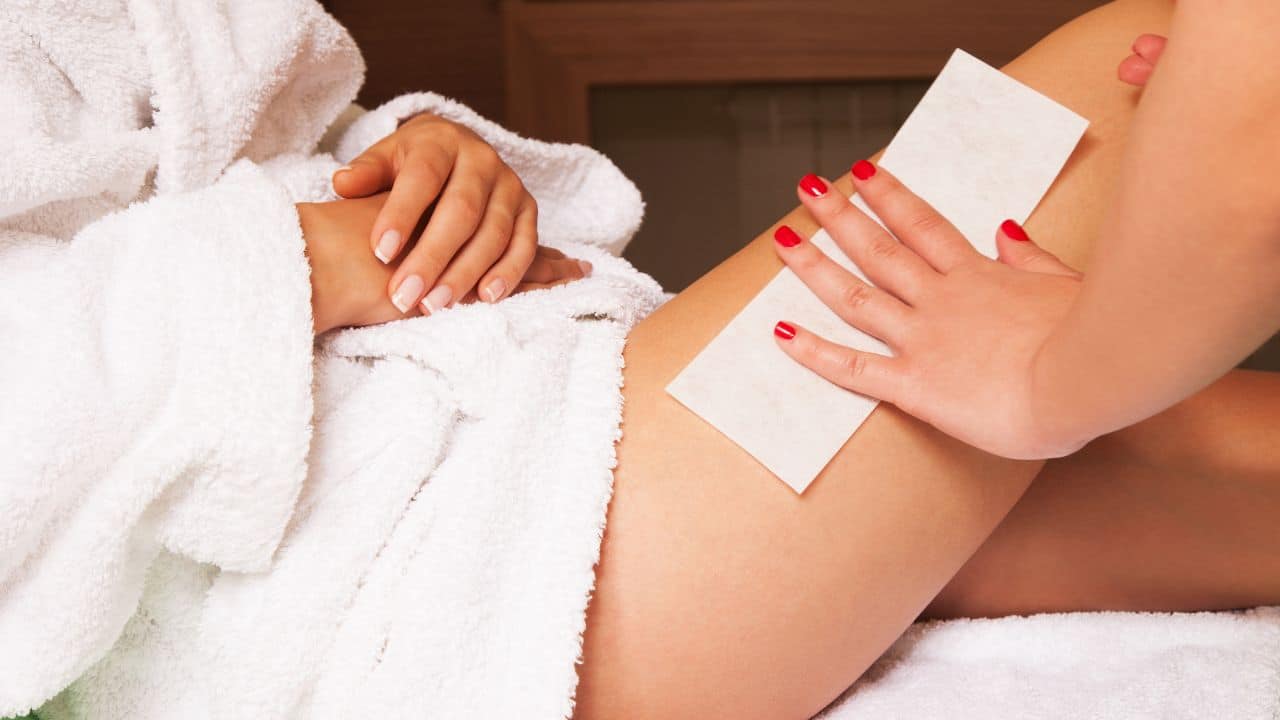
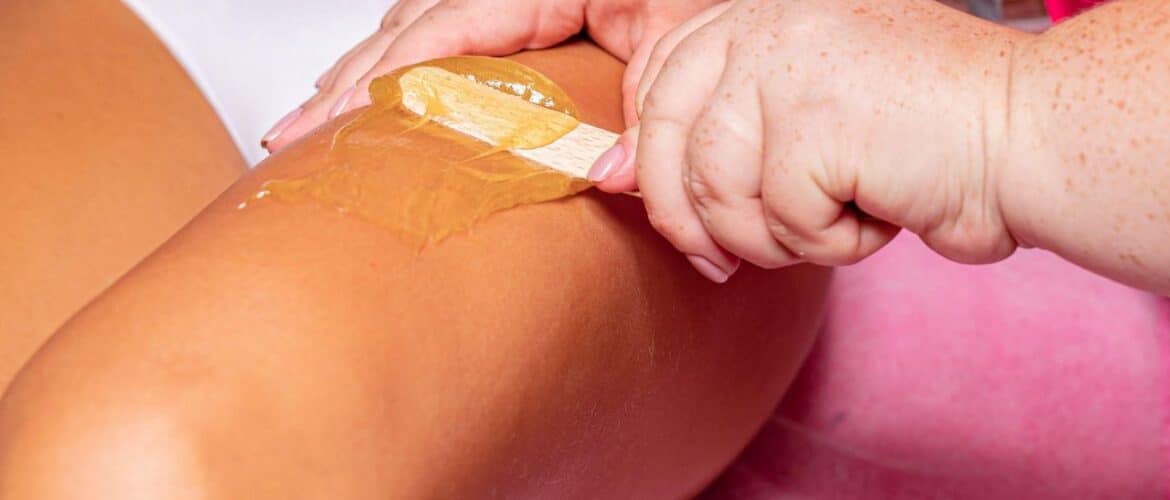
Waxing removes the entire hair follicle from its root. This provides 3-4 weeks of smooth skin. Regular waxing weakens follicles, causing hair to grow back finer and sparser. The process also exfoliates dead skin cells for a polished finish that shaving can’t match.
Why Waxing Wins For Winter Events: Key Benefits
Waxing solves multiple problems that shaving creates. From duration to appearance to convenience, every metric favors winter waxing for special occasions. Understanding the complete waxing benefits over shaving helps you make the right choice for your event season.
Longer-Lasting Smoothness
Method | Smoothness Duration | Maintenance Frequency |
Shaving | 1-2 days | Daily or every other day |
Waxing | 3-4 weeks | Every 3-4 weeks |
One wax appointment covers an entire winter event season. Shaving requires daily attention even during vacations.
Superior Appearance And Finish
Waxing delivers 9.5/10 smoothness versus shaving’s 6.0/10. The difference is visible under sheer tights and thin fabrics, with no dark shadow from hair beneath the surface. Finer regrowth eliminates prickly stubble entirely. Close-up photos and flash photography reveal the superior finish waxing provides.
Fewer Irritation Problems
Factor | Shaving | Waxing |
Irritation/Razor Burn Risk | High (7/10) | Low (2/10) |
Ingrown Hair Risk | High (7/10) | Low (2/10) |
Nicks and Cuts | Common | None (no blade contact) |
Waxing eliminates blade-related damage. Reduced ingrown hairs means no unsightly bumps ruining your event appearance. Athletes particularly benefit from this advantage, as Brazilian waxing helps during winter sports and gym sessions by reducing friction and irritation.
Time and Cost Over Winter Season
Shaving requires 60-90 sessions over three winter months. Waxing needs just 3-6 appointments total. While individual wax sessions cost more, fewer visits and zero daily maintenance balance your budget. More importantly, you save hours of time and eliminate constant worry about stubble.
Timing Your Wax for Best Results
Timing affects both comfort and results. Schedule your wax based on your hair growth cycle, hormonal cycle, and event date. Proper timing minimizes pain and maximizes smoothness when it matters most.
When to Stop Shaving Before Your First Wax
Stop shaving 2-3 weeks before your first wax appointment. Hair must reach at least 1/4 inch in length for wax to grip effectively. Shorter hair won’t be removed completely, leaving patches and requiring a repeat visit. Skip the razor and let growth happen; it’s temporary discomfort for long-term results.
How Hormones Affect Waxing Pain
Cycle Phase | Days (28-day cycle) | Pain Sensitivity | Recommendation |
Menstruation | Days 1-5 | High | Avoid |
Follicular Phase | Days 7-14 | Lowest | Optimal Time |
Luteal Phase | Days 15-28 | High | Avoid |
Rising estrogen during Days 7-14 increases your pain threshold significantly. High progesterone during menstruation and Days 15-28 lowers pain tolerance and increases skin sensitivity. Book appointments during your follicular phase for the most comfortable experience.
How Many Days Before Your Event To Wax
Schedule your wax 24-48 hours before events. This allows initial redness and sensitivity to subside while maintaining peak smoothness. Minor irritation heals completely, leaving flawless skin for your occasion.
One wax covers an entire month of events thanks to the 3-4 week smoothness window. For back-to-back winter events, maintain appointments every 3-4 weeks throughout the season. You’ll stay consistently smooth without last-minute stress.
Pre-Wax Preparation And What To Avoid
Proper preparation ensures better results and reduced irritation. Before your appointment, avoid strong acids and retinoids on the area, sun or self-tanner exposure, hot showers, and intense workouts immediately before, and caffeine or alcohol (both increase pain sensitivity). Gentle exfoliation 24 hours before and adequate hydration improve wax adhesion and prevent ingrown hairs. Professional skincare and waxing work together to optimize your results.
Post-Wax Care in Cold Weather
Winter weather demands specific aftercare. Cold, dry air stresses freshly waxed skin more than summer humidity. Combine proper healing protocols with winter skin protection for optimal results.
Immediate Aftercare (First 24-48 Hours)
Apply cooling, soothing products immediately after waxing. Avoid touching or scratching the area, as bacteria from hands can cause infections. Wear loose-fitting, breathable fabrics to prevent friction irritation. Most critically, avoid direct sun exposure for 24-48 hours. Freshly waxed skin loses its protective barrier, making it extremely vulnerable to UV damage and burns.
Ongoing Winter Care
Use fragrance-free, non-comedogenic moisturizers to combat winter dryness without clogging pores. Avoid hot baths, intense workouts, and excessive heat, all increase inflammation. Skip tight clothing for 24-48 hours post-wax. After initial healing, maintain gentle exfoliation 2-3 times weekly to prevent ingrown hairs.
Sun Safety for Winter Getaways: Planning a tropical escape? Complete your wax at least 24-48 hours before sun exposure begins. After the initial healing period, apply SPF 30+ broad-spectrum sunscreen to waxed areas every two hours. Sunburn on freshly waxed skin triggers post-inflammatory hyperpigmentation, dark spots that persist for months. Protect your investment with proper sun care.
When Waxing May Not Be Right For You
Waxing isn’t suitable for everyone or every situation. Medical conditions, skin treatments, and timing constraints can make shaving the safer choice. Know when to skip waxing and opt for alternatives.
Who Should Avoid or Delay Waxing
Avoid waxing if you have active skin conditions (acne, eczema, psoriasis) in the treatment area; waxing will worsen inflammation. Recent chemical peels or laser treatments leave skin too fragile for hair removal. Using retinoids (topical or oral) thins the skin and increases the risk of tearing. Very sensitive or reactive skin types may experience severe irritation. Consult your dermatologist before waxing if any of these apply.
When Shaving Is Still The Better Choice
Shaving remains the better option in specific scenarios. Extremely short notice (event in 1-2 days) doesn’t allow time for proper hair growth or healing. Medical contraindications make waxing unsafe. Very low pain tolerance, combined with no time to test waxing first, creates unnecessary stress. Budget constraints or lack of access to professional services may require shaving temporarily. Never try waxing for the first time right before a high-stakes event; always do a test run weeks earlier.
Professional vs. At-Home Waxing For Winter Events
Location matters for waxing success. Professional services deliver superior results for important events, while at-home kits work for maintenance and smaller areas. Choose based on your event stakes and experience level.
Choose Professional Waxing For:
High-stakes events (weddings, galas, important photos) demand professional precision. First-time waxing experiences require expert guidance to minimize pain and errors. Larger areas (full legs, Brazilian) need professional technique to reduce injury risk. Professionals provide custom product selection for dry, sensitive winter skin. The investment pays off in results. Learn more about why professional Brazilian waxing is safer than DIY alternatives.
At-Home Kits Work For:
Smaller areas (upper lip, underarms) are manageable at home with practice. Prior waxing experience makes DIY safer and more effective. Low-stakes events with extra time margin (4-7 days for healing) allow room for error. Budget-conscious maintenance between professional appointments keeps you smooth. At-home waxing requires an honest assessment of your skill level; mistakes hurt and show.
Your Winter Waxing Action Plan
The decision is clear: waxing delivers 3-4 weeks of smoothness versus shaving’s 1-2 days, with superior results (9.5/10 vs. 6.0/10) and significantly lower irritation risk (2/10 vs. 7/10). For winter events demanding flawless appearance without daily maintenance, waxing wins decisively.
Building Your Winter Waxing Plan:
- Map your events – Identify all winter occasions (November-February)
- Stop shaving 2-3 weeks before first wax to allow adequate hair growth
- Schedule first wax during Days 7-14 of the menstrual cycle for the lowest pain, 24-48 hours before the earliest event
- Book maintenance every 3-4 weeks to stay event-ready all season
- Never shave between waxes – maintain with gentle exfoliation and moisturizing only
Best time to start: Begin your waxing routine 2-3 weeks before your first major winter event to ensure proper hair growth and time to adjust to the process.
Ready for flawless, event-ready skin all winter? Book your waxing appointment today and experience the difference professional waxing makes.