
Las Vegas Sunshine & Bikini Wax: How Sun Exposure Affects Waxed Skin
Key Takeaways:
- Timing is non-negotiable: Wax 4-7 days before major sun exposure; avoid all direct sun for 48 hours minimum, ideally 5-7 days for Las Vegas.
- SPF 50+ is mandatory: Reapply every 60-90 minutes during pool activities; use fragrance-free, non-comedogenic formulas.
- Skin tone determines risk: Darker tones face extreme PIH risk requiring 5-7 day healing windows; fair skin burns faster and needs aggressive SPF.
- Hormonal timing reduces pain: Schedule waxing during the mid-follicular phase (Days 7-14) when estrogen increases pain tolerance.
- Layer protection strategies: Combine sunscreen, clothing/shade, and behavioral adjustments (limiting exposure, rinsing after pools) for comprehensive defense.
Las Vegas’s world-class pool parties and year-round sunshine make bikini waxing a pre-trip essential for many visitors. However, this combination creates a serious risk. Waxing strips away your skin’s protective outer layer just as Las Vegas’s extreme UV environment, with index levels reaching 10-12+ and reflective surfaces amplifying exposure, threatens newly exposed tissue.
What might be a minor sunburn elsewhere becomes a critical risk for blistering, infection, and permanent hyperpigmentation here. Darker skin tones face elevated post-inflammatory hyperpigmentation that can last months or years, while fair skin burns rapidly in concentrated UV rays.
This guide provides the specific timing protocols, product recommendations, and protection strategies you need to safely enjoy both smooth skin and Las Vegas sunshine.
What Happens To Your Skin When You Get A Bikini Wax?
Understanding how waxing compromises your skin barrier is critical for Las Vegas sun safety.
How Does Bikini Waxing Remove Hair And Disturb The Skin Barrier?
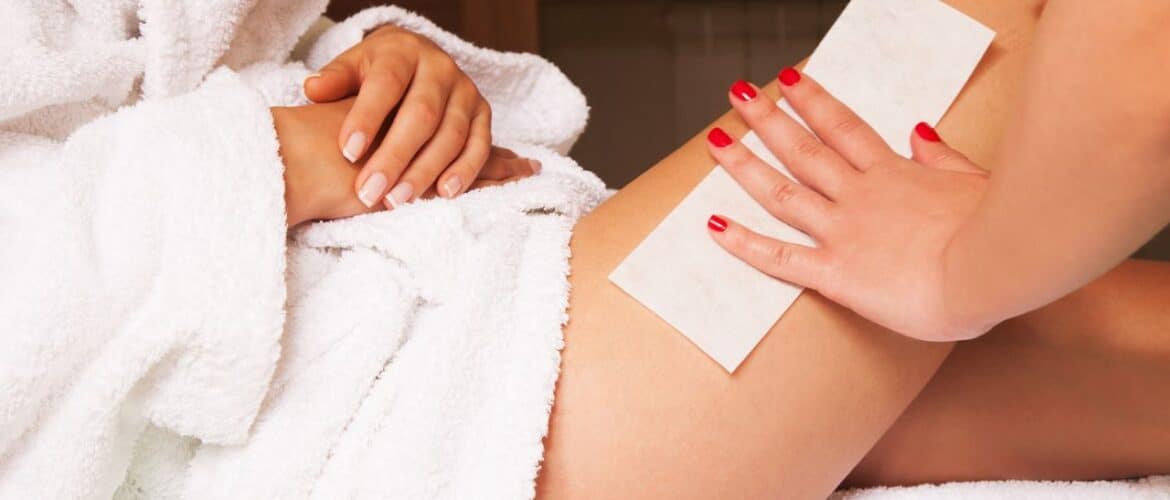
Hot wax adheres to both hair shafts and superficial skin cells. When pulled away, it extracts the entire follicle from the root while removing dead cells from the stratum corneum, your skin’s protective barrier. This exposes nerve endings and leaves skin exceptionally vulnerable to UV radiation, bacteria, and irritants, making sun exposure after bikini wax particularly risky.
What Immediate Changes Happen In The Bikini Area After Waxing (Redness, Heat, Sensitivity)?
- Redness, mild swelling, warmth: Blood rushes to the area as part of healing
- Temporary stinging or tenderness: Exposed nerve endings create sensitivity
- Follicular bumps and inflammation: Follicles react to hair extraction
- Normal vs. concerning: Light inflammation is expected; blistering or severe pain requires medical
Heat and UV rays intensify inflammation, potentially causing severe redness, swelling, and folliculitis.
How Does Waxing Increase Transepidermal Water Loss And Leave Skin More Vulnerable To Sun?
Transepidermal water loss (TEWL) measures moisture evaporation through your skin barrier. Waxing dramatically increases TEWL by removing the protective stratum corneum, causing severe dryness, heightened sensitivity, easier UV penetration, and impaired barrier function.
How Does Repeated Bikini Waxing Change The Skin Over Time?
Regular waxing progressively weakens hair follicles, causing regrowth to become finer and sparser, one of waxing’s primary long-term benefits. However, high-sun environments can cause chronic irritation, pigmentation changes, and texture irregularities with repeated UV exposure on compromised skin.
How Does The Las Vegas Sun Make Post-Wax Care Different From Other Places?
Las Vegas’s extreme UV levels, desert heat, and reflective surfaces create unique challenges for waxing and skin care in the sun; specialized protocols are essential.
How Strong Is The Typical UV Index In Las Vegas Across The Year And During Midday?
Season | Average Midday UV Index | Risk Level | Time to Burn (Unprotected) | Minimum Recommended SPF |
Winter (Dec-Feb) | 4-6 | Moderate to High | 20-30 minutes | SPF 30 + protective clothing |
Spring (Mar-May) | 8-10 | Very High | 10-15 minutes | SPF 50 + protective clothing |
Summer (Jun-Aug) | 11-12+ | Extreme | 5-10 minutes | SPF 50+ + full coverage |
Fall (Sep-Nov) | 6-9 | High to Very High | 15-20 minutes | SPF 50 + protective clothing |
How Do Desert Heat And Low Humidity In Las Vegas Affect Freshly Waxed Skin?
Low humidity (10-30%) accelerates moisture loss, increases chafing risk, slows healing, and makes alcohol-based products burn intensely on dehydrated, sensitized skin.
How Do Reflective Surfaces Like Pools, Concrete, And Hotel Rooftops Boost UV Exposure On The Bikini Line?
Water reflects up to 10% of UV rays upward, concrete bounces 15-25% back onto lower body areas, and glass/metal structures create ambient UV exposure from multiple angles, even in “shade.”
Why Is Sun Exposure Right After A Bikini Wax Especially Risky For Your Skin?
How Does UV Radiation Interact With Inflamed Or Sensitized Post-Wax Skin?
Freshly waxed skin lacks the protective stratum corneum that normally absorbs UV rays. Inflammation from waxing amplifies UV damage, blood vessels dilate, increasing photosensitivity, while UV rays penetrate easily through barrier-damaged skin, triggering excessive pigment production.
How Can Sun Exposure After Waxing Trigger Hyperpigmentation And Dark Spots?
Post-inflammatory hyperpigmentation (PIH) occurs when trauma triggers melanocytes to overproduce pigment. Sunburn on sensitive, waxed skin dramatically increases PIH risk, creating dark spots that persist for months. Risk factors include darker skin tones (Fitzpatrick III-VI), family history of PIH, Las Vegas’s extreme UV index, and repeated exposure.
How Does Combining Waxing And Sun Increase The Risk Of Irritation, Bumps, And Infection?
Pool water and bacteria enter exposed follicles, desert heat increases sweating and friction, bacteria cause folliculitis and pustules, inflamed skin traps new hair growth creating ingrown hairs, and scratching introduces secondary infections.
How Can Sunburn On A Recently Waxed Bikini Area Affect Healing And Long-Term Texture?
Sun-damaged skin swells, trapping hair growth beneath the surface and increasing ingrown hairs. Burns on waxed skin take 2-3x longer to heal, cause irregular peeling, form scar tissue, create lasting discoloration, and result in permanently reactive skin.
How Should You Plan And Schedule A Bikini Wax For A Las Vegas Trip?
Strategic timing ensures skin heals before sun exposure while maintaining smoothness throughout your trip.
How Many Days Before Your Las Vegas Pool Or Beach Plans Should You Book Your Bikini Wax?
Trip Type | Ideal Timing (Days Before First Pool Event) | Pros | Cons |
Quick weekend (2-3 days) | 3-5 days before | Fully healed, peak smoothness | Slight regrowth risk by day 3 |
4-5 day trip | 4-7 days before | Healed for the first events | Minimal stubble by the final day |
Extended stay (1+ week) | 5-7 days before | Safe healing window | Need touch-up in week 2 |
How Should You Plan Waxing If You Have Multiple Events (Pool Parties, Dayclubs, Photoshoots)?
Wax 4-5 days before the first event for back-to-back activities. For spaced events, time is 5-6 days before your most important (photographed) event. Never wax within 24 hours of sun exposure; minimal regrowth is safer than burns or pigmentation.
How Should You Space Bikini Waxing, Spray Tanning, And Other Treatments Before Your Trip?
Understanding the relationship between tanning and waxing is critical for achieving smooth, even color.
Treatment | Days Before Trip | Spacing Relative to Waxing |
Bikini wax | 4-7 days | Base treatment, always first |
Spray tan | 1-2 days | 48-72 hrs AFTER wax |
Tanning bed | Avoid or 7+ days | 7+ days BEFORE wax |
How Can You Adjust Your Waxing Schedule If You Are Prone To Sensitivity Or Hyperpigmentation?
The mid-follicular phase (Days 7-14) offers the highest pain tolerance when estrogen levels rise. During the luteal phase and menstruation, progesterone rises while estrogen drops, lowering pain tolerance and increasing sensitivity. Extend buffer periods to 6-7 days, avoid waxing day-of travel, consider less aggressive styles in peak summer, and track your cycle to optimize timing.
How Long Should You Avoid Las Vegas Sun, Pools, And Heat After A Bikini Wax?
How Many Hours Or Days Should You Avoid Direct Sun After A Bikini Or Brazilian Wax?
Avoid all direct sun exposure for 24 to 48 hours minimum. After 48 hours, use broad-spectrum SPF 30+ (ideally SPF 50+), fragrance-free, and non-comedogenic formulas.
How Long Should You Wait Before Swimming In Las Vegas Pools, Hot Tubs, Or Lazy Rivers?
Activity | Minimum Wait Time | Ideal Wait Time | Risk |
Direct sunbathing | 48 hours | 5-7 days | UV penetration, burns |
Pools (chlorinated) | 24-48 hours | 48-72 hours | Bacteria, chlorine irritation |
Hot tubs | 48-72 hours | 5-7 days | Extreme heat, bacteria |
Tanning beds | 48 hours minimum | Avoid entirely | Concentrated UV damage |
How Long Should You Avoid Saunas, Steam Rooms, And Sweaty Workouts After Waxing?
Wait 48-72 hours for saunas/steam rooms (extreme heat dilates follicles), 24-48 hours for high-intensity workouts (sweat + friction), and 48 hours for hot yoga (heat + humidity + bacteria = folliculitis risk).
How Should Fair, Medium, And Deep Skin Tones Adjust Their Post-Wax Timing In Strong Sun?
Skin Tone | Minimum Wait | Ideal Wait | Primary Risk | Suggested SPF |
Fair (I-II) | 48 hours | 5-7 days | Severe sunburn, blistering | SPF 50+ |
Medium (III-IV) | 48 hours | 4-5 days | Sunburn, moderate PIH | SPF 50 |
Deep (V-VI) | 48 hours | 5-7 days | Severe PIH, lasting dark spots | SPF 30-50 |
What Pre-Wax Habits Help Your Skin Handle Las Vegas Sunshine Safely?
How Should You Exfoliate And Moisturize In The Week Before A Bikini Wax And Sun Exposure?
5-7 days before: gentle exfoliation 2-3 times (proper exfoliation timing is critical). 1-2 days before: stop exfoliation, focus on hydration. Day of wax: clean, product-free skin only.
Which Skincare Ingredients (Retinoids, Acids, Lighteners) Should You Pause Before Waxing and Sun?
Pause retinoids 5-7 days before (thins skin, increases peeling), strong acids 3-5 days before (over-exfoliates), and lightening agents 3-5 days before (increases photosensitivity). Resume after skin fully heals (5-7 days).
How Do Medications And Existing Skin Conditions Affect Your Pre-Wax And Pre-Sun Plan?
Photosensitizing medications (antibiotics, acne medications, diuretics) increase UV sensitivity; consult your provider about safety. Wax only during remission for eczema, psoriasis, or dermatitis; active flares contraindicate waxing.
How Can Hydration, Diet, And Sleep Support Better Waxing And Sun Tolerance?
Drink 8-10 glasses daily for 3-5 days pre-wax. Avoid alcohol 24-48 hours before waxing (dehydrates skin, increases bruising). Get 7-9 hours of sleep nightly (reduces cortisol and inflammation).
How Should You Protect Your Waxed Bikini Area During Las Vegas Pool And Dayclub Time?
What Type Of Sunscreen Is Safest And Most Comfortable On A Recently Waxed Bikini Line?
Use SPF 50 minimum in fragrance-free, water-resistant cream or stick format. Choose hypoallergenic, non-comedogenic “sensitive skin” or “baby” formulas.
How Do Mineral And Chemical Sunscreens Compare For Sensitive Post-Wax Skin?
Filter Type | Pros | Cons | Best-Use Scenarios |
Mineral | Less irritation, immediate protection | White cast, thick texture | Extremely sensitive skin, 48-72 hrs post-wax |
Chemical | Clear finish, lightweight | May sting open pores | 3+ days post-wax, active pool days |
How Often Should You Reapply SPF At Las Vegas Pools, Dayclubs, And On The Strip?
Pool lounging: every 90-120 minutes. Water activities: every 40-60 minutes. Walking/dayclubs: every 60-90 minutes (or every 2-3 hours for minimal sun exposure).
How Can Bikinis, Cover-Ups, And Shade Physically Shield The Waxed Area From Intense Sun?
Choose high-waist or fuller-coverage bottoms, use UPF-rated sarongs and cover-ups, position away from reflective surfaces, and use umbrellas/cabanas with sunscreen for reflected UV.
How Do Pools, Sand, And Friction From Swimsuits Affect Freshly Waxed Skin?
Rinse immediately after chlorine exposure and reapply sunscreen. Choose seamless suits with proper sizing. Change into dry suits every 2-3 hours to prevent bacterial growth.
How Do Skin Tone And Skin Type Change Your Risk In The Las Vegas Sun After Waxing?
How Do Different Fitzpatrick Skin Types Respond To Sun On Freshly Waxed Areas?
Type | Burn Risk | PIH Risk | Key Precautions |
I-II (Fair) | Extreme-High | Low-Moderate | SPF 50+, avoid sun 5-7 days, mineral sunscreen |
III-IV (Medium-Olive) | Moderate-Low | Moderate-High | SPF 50, PIH prevention priority, 4-5 day healing |
V-VI (Deep) | Low-Very Low | Very High-Extreme | SPF 30-50, severe PIH risk, avoid sun 5-7 days minimum |
Why Are Darker Skin Tones More Prone To Post-Inflammatory Hyperpigmentation After Waxing And Sun?
Melanin-rich skin contains more active melanocytes that respond aggressively to inflammation. Waxing trauma triggers excess pigment production. UV exposure immediately after compounds this reaction, creating dark spots that persist for months or years in deeper dermal layers.
How Should Sensitive, Acne-Prone, Or Eczema-Prone Skin Modify Waxing And Sun Exposure?
- Sensitive/reactive: Extend healing to 5-7 days, patch-test products, use mineral sunscreens.
- Acne-prone: Use strictly non-comedogenic products, wax during clear-skin periods.
- Eczema/dermatitis: Only wax during full remission, use fragrance-free products exclusively, and apply ceramide creams immediately post-wax.
How Can You Tailor Aftercare Products To Your Specific Skin Type And Tone?
Use aloe vera or chamomile gels for immediate cooling (all types), ceramide-rich barrier creams for sensitive/eczema-prone skin, lightweight lotions for oily skin, richer creams for dry skin, and niacinamide or tranexamic acid for darker tones (after 5-7 days healing). Always patch-test new products 24-48 hours before applying to waxed areas.
Can You Tan, Spray-Tan, Or Use Tanning Beds After A Bikini Wax In Las Vegas?
When Is It Safe To Sunbathe Or Lounge In Direct Sun After A Bikini Wax?
Tanning Method | Minimum Wait | Ideal Wait | Risks If Done Too Early |
Direct sunbathing | 48 hours | 5-7 days | Severe burns, blistering, PIH |
Tanning bed | 48 hours minimum | Avoid entirely | Concentrated UV burns, extreme PIH risk |
Spray tan | 24 hours | 48-72 hours | Stinging, uneven absorption, patchy color |
How Can You Avoid Streaks, Patchiness, Or Stinging When Combining Waxing And Tanning Products?
Exfoliate 24-48 hours before waxing, not after. Apply barrier cream (petroleum jelly) to bikini line creases. Choose “sensitive skin” spray tan solutions, and avoid alcohol-heavy formulas. Wait 5-7 days after waxing for gentle exfoliation.
What Common Mistakes Ruin Waxed Skin In The Las Vegas Sun?
Why Is Tanning Immediately Before Or After A Bikini Wax A Bad Idea?
UV-exposed skin before waxing doubles vulnerability. Waxing strips spray tan, creating patchy color. Inflamed skin absorbs DHA irregularly, causing dark splotches. Sunburned skin peels faster post-wax.
How Does Skipping SPF Or Using The Wrong Sunscreen Damage Waxed Skin?
SPF 15-25 offers inadequate protection; burns occur in 10-15 minutes. Single morning application fails by noon. Fragranced or alcohol-heavy formulas sting open follicles. Tanning oils on waxed skin guarantee burns.
How Do Shaving Between Waxes And Over-Exfoliating Make Sun-Exposed Skin React Worse?
Shaving cuts hair at the surface (stubble in 12-48 hours) while waxing removes follicles from the root (3-4 weeks smooth). Shaving makes hair appear thicker; waxing provides a cleaner finish. Maintaining smoothness between sessions requires proper technique. Don’t shave over irritated skin, scrub daily with harsh exfoliants, or touch up with razors between waxes.
What Should You Do If Your Waxed Skin Burns, Darkens, Or Breaks Out In Las Vegas?
How Can You Tell The Difference Between Normal Post-Wax Redness And A True Sunburn Or Reaction?
Condition | Visual Signs | Sensations | Timeframe | Action |
Normal post-wax | Light pink/red, even tone | Mild tenderness | Peaks 2-6 hrs, fades 24-48 hrs | Self-care |
Sunburn | Bright red, blisters | Stinging, throbbing pain | Appears 2-6 hrs after sun | Self-care or see provider |
Allergic reaction | Hives, raised welts | Intense itching, swelling | Minutes to hours | Antihistamine or see provider |
Infection | Pus-filled bumps | Painful bumps, fever | 24-72 hrs after exposure | Antibiotics needed |
What Immediate At-Home Steps Can You Take If Your Bikini Area Gets Sunburned After Waxing?
Apply cool compresses every 2-3 hours, use aloe vera gel or hydrocortisone cream, take ibuprofen, and immediately stop all sun exposure, hot water, workouts, exfoliants, and fragranced products.
How Can You Treat Post-Wax And Post-Sun Hyperpigmentation On The Bikini Line Over Time?
At-home treatments (niacinamide, tranexamic acid, vitamin C after 2+ weeks plus daily SPF 50+) fade mild PIH in 3-6 months. Professional treatments (chemical peels, lasers, prescription lighteners) address stubborn cases in 6-18 months.
When Should You Stop Sun Exposure And See A Professional Or Dermatologist For Help?
Seek immediate care for persistent blistering (48+ hours), severe pain despite medication, spreading rash, infection signs (pus, fever above 100.4°F), or pigmentation lasting 3-4+ months.
How Can A Professional Waxing Studio Help You Stay Sun-Safe In Las Vegas?
What Questions Should You Ask Your Waxer About Timing, Sun Exposure, And Aftercare?
Ask about ideal timing between waxing and your pool/dayclub schedule, how many days to avoid sun in Las Vegas’s climate, specific products for post-wax sun protection, what to absolutely avoid in high UV environments, and how your skin type/tone changes your timeline.
How Can Professional-Grade Products And Protocols Support Sun-Exposed Waxed Skin?
Professional cleansers reduce waxing trauma, clinical-grade soothing gels reduce redness faster, professional serums prevent PIH formation in high-risk skin tones, and studios stock hyperpigmentation-prevention serums for immediate post-wax application.
How Do You Choose A Las Vegas Waxing Studio That Prioritizes Hygiene, Skin Health, And Realistic Aftercare?
Verify licensing and certification, ensure single-use applicators and sanitized surfaces, confirm thorough consultation about skin type and sun plans, get detailed Las Vegas-specific aftercare instructions, check product transparency, and ensure staff proactively discuss UV risks and realistic expectations.
How Can You Enjoy Las Vegas Sunshine And A Bikini Wax Without Damaging Your Skin?
What Simple Pre-Trip Checklist Keeps Your Bikini Line Safer in the Las Vegas Sun?
Book professional waxing services 4-7 days before the first pool event. Pause retinoids and acids 5-7 days before waxing. Pack SPF 50+ fragrance-free sunscreen (2-3 tubes), aloe gel, barrier cream, and loose cotton clothing. Bring a wide-brimmed hat and cover-ups. Download period-tracking app to align future waxes with optimal hormonal windows.
What Repeatable Routine Should You Follow Before, During, and After Each Las Vegas Visit?
Before trip: Schedule wax during mid-follicular phase (Days 7-14). Gentle exfoliation 5-7 days pre-wax, then stop. Hydrate aggressively. Avoid alcohol 24 hours before wax.
During trip: Apply SPF 50+ every morning. Reapply every 60-90 minutes during pool time. Rinse after pool exposure. Change into a dry swimsuit every 2-3 hours. Moisturize twice daily. Seek shade during peak UV hours (10 AM-4 PM).
After the trip: Continue SPF daily for 2 weeks. Gentle exfoliation 5-7 days after returning. Monitor for persistent issues. Resume retinoids gradually after skin normalizes.
How Can Planning Future Waxes and Trips Protect Your Skin Long-Term While You Still Enjoy the Sun?
Track your skin’s specific tolerances, burn threshold, PIH susceptibility, and optimal healing time. Schedule professional waxing appointments around your cycle for lower pain. Coordinate sun exposure trips when you can, allowing proper healing windows.
Long-term strategy: Schedule strategically (book waxes 4-7 days before every major sun event), protect consistently (use SPF 50+ daily on bikini area), and repair proactively (address pigmentation within 2-4 weeks).
Protecting Your Skin While Enjoying Everything Las Vegas Has to Offer
The good news is that you don’t have to choose between smooth, waxed skin and enjoying Las Vegas’s incredible pool parties, dayclubs, and sunshine. With the right knowledge and strategic planning, you can have both. The key is respecting your skin’s healing timeline, understanding your individual risk factors based on skin tone and type, and committing to consistent sun protection. Las Vegas’s extreme UV environment demands more careful preparation than other destinations, but the payoff, weeks of smooth, confident, healthy skin, is worth the extra planning.
By following the timing guidelines, product recommendations, and protection strategies outlined in this guide, you’ll create a personalized protocol that lets you look and feel your best throughout every Vegas trip while protecting against burns, hyperpigmentation, and long-term damage.
Ready to book your bikini wax with Las Vegas sun safety in mind? Schedule your appointment at SOS Wax and get personalized aftercare guidance for your trip timeline and skin type.

Genet Nemeth is the owner of SOS WAX and Skincare in Las Vegas. She loves talking about skincare and waxing with employees and clients. When not in one of her shops, you can find Genet enjoying a matcha tea ice cream cone at her favorite café.