
Bikini Wax Pain Scale: Ranking Every Style from Least to Most Intense
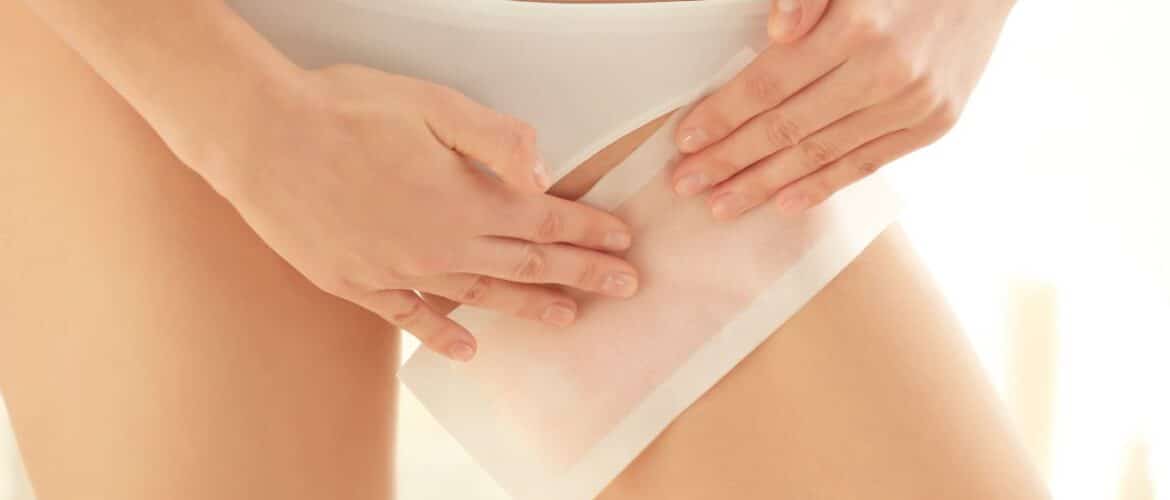
Bikini waxing pain varies significantly based on coverage area and individual tolerance. Each style removes hair from the root using warm or hard wax, producing different discomfort levels. Understanding the bikini wax pain scale helps consumers choose between basic, full, and Brazilian options based on goals, budget, and tolerance for short-term pain.
Key Takeaways:
- Basic bikini wax rates 4/10 on the pain scale, while Brazilian wax averages 5.5/10 with regular clients reporting reduced discomfort over time
- Shaving causes 83% of pubic hair grooming injuries and is strongly linked to pseudofolliculitis, razor bumps, and follicular inflammation
- Professional bikini waxing costs $32-$63 nationally, with Brazilian services ranging from $43-$124 depending on location and salon pricing
- Heat, sweat, and friction during summer worsen razor-related irritation, making waxing a strategic option for hot climates like Las Vegas
- 77% of U.S. women use razors for pubic grooming compared to 16% who choose waxing, yet waxing markets grow faster due to longer-lasting results
What Is Bikini Waxing and Why Do People Choose It?
Bikini waxing removes unwanted hair from the pubic area using heated wax that adheres to hair follicles. People choose waxing because it produces slower regrowth and longer intervals between sessions compared to shaving. While shaving cuts hair at the skin surface, waxing pulls hair from the root, extending smoothness for several weeks. This appeals to consumers seeking reduced maintenance frequency and fewer razor-related skin problems.
What Are the Different Styles of Bikini Waxing?
Basic bikini wax covers the outside standard bikini line only, removing visible hair beyond underwear edges. Full or extended bikini wax removes more hair from the sides and top while leaving intimate areas alone. Brazilian wax involves front and back removal with an optional strip or triangle remaining, offering maximum coverage. Brazilian and Hollywood waxing account for 65% of one Las Vegas provider’s service mix, reflecting strong local demand for comprehensive styles.
How Does Bikini Waxing Compare to Shaving?
Shaving cuts hair at the skin surface using razors, while bikini wax styles from basic to extended remove hair from the root using warm or hard wax. Among 1,677 U.S. women aged 16-40 who had ever groomed pubic hair, 77% used razors and shaving cream compared to 16% who used waxing. Razors and blades held 39.56% revenue share in 2024, making shaving the single largest product category in the hair removal market. Shaving offers convenience and low upfront cost, while waxing provides longer-lasting smoothness with less frequent touch-ups.
Only 28 of 1,677 survey respondents used salons for grooming, indicating most consumers manage hair removal at home. This pattern favors accessible methods like shaving despite trade-offs in results and maintenance frequency. Waxing requires more planning and higher cost per session but reduces the repetitive weekly burden.
What Are the Benefits and Drawbacks of Waxing?
Waxing produces slower regrowth and reduces weekly maintenance compared to daily or near-daily shaving. It pulls hair from the root, extending time between sessions and resulting in finer regrowth over repeated treatments. Consumers who wax regularly experience less visible stubble and smoother skin texture than those relying on razors. The main benefit is reduced grooming frequency, which becomes especially valuable during hot weather when sweat and friction increase irritation.
Primary drawbacks include upfront pain, higher service costs, and potential skin reactions such as folliculitis or irritation. Waxing can cause allergic reactions, scarring, and thermal injury if performed incorrectly or on compromised skin. Poor technique and inadequate aftercare create additional risks. Despite these limitations, many find the trade-off worthwhile when razor-related problems outweigh waxing discomfort.
How Does Pain Vary Across Different Bikini Wax Styles?
Pain intensity increases with coverage area because more hair follicles are removed during the session. Basic bikini wax affects only edges visible beyond swimwear, resulting in lower discomfort ratings. Full and Brazilian waxes cover larger, more sensitive regions, which elevates the pain comparison waxing styles Las Vegas providers report. Understanding these differences helps consumers set realistic expectations and choose styles matching their tolerance.
What Pain Levels Are Reported for Basic, Full, and Brazilian Waxes?
Basic bikini wax pain level averages 4 out of 10, targeting only hair outside standard bikini lines. Full bikini wax rates between 5 and 6 out of 10 because it removes more hair from the sides and top areas. Brazilian wax averages 5.5 out of 10 despite covering front and back regions, with practitioners noting regular clients often report reduced discomfort over time. These ratings come from Las Vegas estheticians tracking client feedback across thousands of appointments.
Why Does Pain Intensity Increase with Coverage?
Pain intensity increases with coverage because waxing removes hair from larger and more sensitive areas. The bikini line has fewer nerve endings than the inner regions addressed during Brazilian services, making basic waxing less uncomfortable. Hair density and skin sensitivity also vary across the pubic area, affecting how individuals perceive each pull. Brazilian vs bikini pain comparisons show that while Brazilians cover more area, the brief duration of each wax strip, and the esthetician experience influence overall discomfort.
How Do Repeat Waxing Sessions Affect Pain Perception?
Regular waxing clients report that 80% experience minimal discomfort over time as hair regrowth becomes finer and sparser. The body adapts to the sensation, and repeat sessions feel less intense than the first appointment. Consistent scheduling allows hair to grow in synchronized cycles, making removal more efficient and less painful. Clients maintaining four-to-six-week intervals often find that their comfort level improves significantly after the third or fourth session.
What Skin Reactions Can Occur From Waxing and Shaving?
Both waxing and shaving can produce skin reactions ranging from mild irritation to serious folliculitis. Shaving is strongly associated with pseudofolliculitis, cuts, and surface abrasion because the blade repeatedly contacts skin. Waxing removes hair from the root, which can trigger follicular inflammation, allergic reactions, or thermal injury if the technique is poor. Understanding these risks helps consumers choose the method that best fits skin sensitivity.
What Are Common Shaving-Related Skin Issues?
Pseudofolliculitis barbae arises when closely cut hairs re-enter the skin, producing a foreign-body inflammatory reaction that appears as painful bumps. Shaving razors were implicated in 83% of pubic hair grooming injuries reported in emergency department studies. Among 5,674 groomers surveyed, 25.6% had experienced a grooming injury and 1.4% required medical attention. Laceration was the most common shaving injury type, followed by burns and infections.
Shaving is associated with pseudofolliculitis, skin abrasion, and chronic irritation that worsens with frequent use. Repeated blade contact strips the skin’s protective barrier and creates micro-cuts allowing bacteria to enter. Hot weather amplifies these problems because sweat and friction keep the area moist and inflamed. Consumers prone to strawberry legs and razor bumps often find that switching methods reduces visible irritation and infection risk.
What Are Waxing-Related Skin Risks?
Waxing can cause allergic reactions, folliculitis, scarring, irritation, and thermal injury when performed incorrectly or on damaged skin. Bacterial folliculitis can occur after waxing if tools are contaminated or if the client’s skin barrier is already compromised. Poor waxing technique, inadequate pre-treatment preparation, and insufficient aftercare increase the likelihood of adverse reactions. These risks are manageable with proper sanitation, correct wax temperature, and post-service care protocols.
Brazilian waxing for sensitive skin requires additional precautions to minimize irritation and prevent infection. Licensed estheticians assess skin condition before applying wax and adjust techniques for clients with active breakouts or inflammation. Consumers can reduce waxing risks by choosing experienced providers, avoiding sun exposure before appointments, and following aftercare instructions.
How Does Summer Heat Influence Skin Sensitivity?
Heat, sweat, and friction worsen follicular irritation and rash conditions by keeping skin moist and inflamed. Summer weather in hot climates like Las Vegas creates an environment where bacteria thrive and skin remains in constant contact with clothing. Shaving during these months increases the risk of razor burn, ingrown hairs, and infection because the compromised skin barrier cannot heal between sessions. Waxing reduces hair removal frequency, giving skin more recovery time.
Who Is Most Likely to Switch From Shaving to Waxing?
Consumers experiencing chronic razor bumps, ingrown hairs, or high summer maintenance burden are most likely to switch to waxing. Those with higher disposable income, urban residence, and strong appearance norms also adopt professional waxing more readily. Younger demographics and individuals frustrated by daily grooming cycles seek longer-lasting solutions even when upfront pain and cost are higher. The decision to switch often follows repeated skin problems, making shaving impractical.
What Consumer Priorities Influence Hair Removal Choices?
Convenience and low cost favor shaving, which remains the most accessible method for home use. Long-term effectiveness and reduced grooming frequency favor waxing, which appeals to consumers tired of daily or near-daily maintenance. Skin sensitivity drives method selection when razor-related irritation outweighs waxing discomfort. Pain tolerance acts as the primary barrier to waxing adoption, with consumers who tolerate short-term pain more willing to trade discomfort for extended smoothness.
How Do Demographics Affect the Adoption of Waxing Styles?
Forty-eight percent of Americans remove or trim body hair at least once a week, with Generation Z at 54%, indicating high-frequency grooming habits. A German survey of 2,510 participants aged 14-94 found that 69% of women and 41% of men removed body hair, with removal strongly associated with younger age, higher education, higher income, and urban residence. Italian women wax regularly at a 41% rate, while Austria reports that 74% of women and 55% of men groom pubic hair. France shows lower participation, with only 49% of respondents grooming pubic hair regularly.
What Role Does Pain Tolerance Play in Switching?
Pain tolerance determines whether consumers try waxing and maintain regular appointments. Individuals with low pain tolerance often abandon waxing after one attempt and return to shaving despite skin problems. Those with moderate tolerance may persist through early discomfort because long-term benefits outweigh temporary pain. High-tolerance consumers adopt Brazilian and full-bikini styles more readily, while others start with basic waxing to assess comfort before progressing.
How Do Cost and Convenience Impact Bikini Waxing Decisions?
Cost and convenience create the strongest barriers to waxing adoption because professional services require higher upfront spending and scheduling effort. Shaving tools cost $10-$52 at retail, while professional waxing sessions range from $32 to $124 depending on style and location. Consumers must weigh immediate affordability against long-term value, considering maintenance frequency and skin-health outcomes. Those prioritizing convenience often default to shaving, while those seeking reduced weekly upkeep justify waxing’s higher cost.
What Are Typical Price Ranges for Different Waxing Styles?
Las Vegas European Wax Center pricing lists $48 for bikini line, $55 for full bikini, and $66 for Brazilian services at one location. Bikini wax prices range nationally from $32 to $63 or higher, depending on salon reputation and geographic market. Brazilian wax costs span $43 to $124 nationally, with premium salons and high-cost urban markets at the upper end. These ranges reflect service quality, esthetician experience, and local competition.
How Does Waxing Compare to Shaving on Upfront and Long-Term Costs?
Schick Hydro Silk TrimStyle Razor sells for $12.59 on sale, while Conair GirlBomb Trim & Shave Set costs $52.00 for a more comprehensive tool. Billie Wax Kit for face and bikini retails at $8.39 on sale, and Kitsch Pro Dermaplaning Tool costs $10.00 for at-home use. Shaving maintains lower upfront costs but requires frequent replacement of razors, shaving cream, and post-shave treatments. Waxing concentrates costs into fewer sessions, reducing weekly spending on disposable tools and skincare products designed to manage razor irritation.
How Does Convenience Influence Method Choice?
Convenience favors shaving because it requires no appointment scheduling and can be done at home in minutes. Waxing demands advance booking, travel to a salon, and adherence to hair-length requirements before each session. Consumers with unpredictable schedules or limited access to quality salons often choose shaving despite its maintenance burden. Those who prioritize reduced grooming frequency and can accommodate salon visits find waxing more convenient over time.
What Should Consumers Expect From Bikini Waxing Procedures?
Consumers should expect a brief but intense removal process varying in discomfort based on style and individual pain tolerance. Each session begins with skin assessment, cleansing, and powder or oil application to protect the area. The esthetician applies warm or hard wax, allows it to adhere to hair, and removes it quickly in the opposite direction of growth. Post-waxing care includes soothing lotions, cooling gels, and clear instructions to prevent irritation during healing.
How Is Each Waxing Style Performed?
Basic bikini wax removes hair visible outside underwear edges using warm wax applied in strips parallel to the bikini line. Full bikini wax extends coverage to the sides, top, and upper thigh areas while leaving the most intimate regions untouched. Brazilian wax removes all hair from front and back with an optional small strip or triangle, requiring the client to adjust positions during service. Licensed estheticians use hard wax for sensitive areas because it adheres only to hair rather than skin, reducing discomfort and irritation risk.
What Aftercare Practices Help Minimize Irritation and Pain?
Proper aftercare reduces ingrown hairs and skin irritation by keeping the area clean, moisturized, and protected from friction. Eos Post-Shave Body Cream retails at $6.99, while Peach Slices Ingrown Hair Treatment sells for $12.59 on sale. Fur Oil ranges from $28 to $55 depending on size and formulation, offering hydration and soothing properties. Consumers should avoid hot baths, tight clothing, and exercise for 24 hours after waxing to allow the skin barrier to recover.
What Are Local Market Trends and Service Pricing Examples?
Las Vegas shows strong demand for Brazilian and Hollywood waxing, with these styles representing 65% of service volume at some local providers. Skin care after waxing in Las Vegas often includes ingrown-hair serums and specialized moisturizers designed for hot, dry climates. European Wax Center locations list competitive pricing at $48-$66 for standard bikini and Brazilian services, making professional waxing accessible to budget-conscious consumers. Local market competition and high service volume help keep prices stable.
What Alternatives Exist Beyond Shaving and Bikini Waxing?
Depilatory creams, sugaring, laser hair removal, and supportive skincare products offer alternatives for consumers seeking different trade-offs between cost, pain, and effectiveness. Each method addresses specific concerns, from chemical hair dissolution to permanent follicle reduction. Understanding these options helps consumers build a hair removal strategy fitting their skin type, budget, and tolerance. Some alternatives complement waxing, while others serve as complete replacements.
How Do Depilatory Creams and Sugaring Compare?
Depilatory creams chemically dissolve hair at the skin surface, offering a painless alternative that lasts longer than shaving but less than waxing. Sugaring uses a sugar-based paste that adheres to hair and removes it from the root, similar to waxing but with less skin trauma. Sugardoh Sugaring Paste retails at $14.00 on sale, making it an affordable at-home option for those seeking wax-like results without professional costs. Both methods carry skin-irritation risks and require patch testing.
What Are the Pros and Cons of Laser Hair Removal?
Laser hair removal targets follicles with concentrated light energy, offering durable reduction that can eliminate the need for regular grooming. It requires multiple sessions spaced weeks apart and costs significantly more than waxing or shaving. Results vary by hair color, skin tone, and hormonal factors, with some clients achieving near-permanent reduction and others needing occasional touch-ups. The main advantage is long-term convenience, while drawbacks include high upfront investment and limited effectiveness on certain hair and skin combinations.
How Does Skincare Support Post-Hair Removal?
Skincare products help manage irritation, dryness, and ingrown hairs arising from any hair removal method. Post-shave creams, ingrown-hair serums, and soothing oils reduce visible bumps and inflammation when applied consistently. Eos, Peach Slices, and Fur Oil represent accessible price points ranging from $6.99 to $55. These products do not eliminate root causes of irritation but support skin recovery between grooming sessions.
The Bikini Wax Pain Scale and Its Implications for Consumers
Understanding the bikini wax pain scale empowers consumers to choose hair removal methods matching their goals, tolerance, and skin sensitivity. Basic bikini wax rates 4 out of 10 on the pain scale, full bikini reaches 5 to 6 out of 10, and Brazilian wax averages 5.5 out of 10, with discomfort decreasing over repeat sessions. Shaving produces lower immediate pain but causes 83% of pubic hair grooming injuries and is strongly linked to pseudofolliculitis, razor bumps, and chronic irritation. Consumers prioritizing reduced maintenance frequency and longer-lasting smoothness often find that comparing hair removal methods by pain level helps clarify which trade-offs they are willing to accept.
Summer heat amplifies the case for switching from shaving to waxing because sweat, friction, and repeated razor contact keep skin inflamed and vulnerable to infection. Hot climates like Las Vegas create conditions where razor-related irritation becomes more frequent and severe, making waxing a strategic choice despite higher upfront costs. Professional waxing reduces weekly grooming burden, extends intervals between appointments, and allows skin more recovery time compared to daily shaving routines. Consumers with chronic razor bumps or high-frequency grooming habits benefit most from the transition.
SOS Wax & Skincare offers transparent pricing and licensed estheticians who help first-time clients manage anxiety and build confidence in professional waxing. The 2025 Las Vegas Review-Journal “Best of Las Vegas” Gold Winner in waxing, facials, eyebrows, and beauty salon categories provides accessible services across seven valley locations. Understanding how pain levels differ helps new clients set realistic expectations and choose styles fitting their tolerance and goals.
Ready to Find Your Comfort Zone? Start with a $30 Brazilian at SOS Wax & Skincare
Now that you know where every bikini wax style lands on the pain scale, there’s only one way to find out where you land — and it’s a lot less scary than you think. At SOS Wax & Skincare, our licensed estheticians are pros at walking first-timers through every step, adjusting techniques for your comfort level, and helping you choose the style that matches your goals. Whether you want to start simple with a basic bikini wax or go all-in on a Brazilian, we’ve got you covered — literally and figuratively.
New clients get their first Brazilian for just $30. With seven locations across Las Vegas and Henderson, smooth, confident skin is closer than you think. Book your appointment online and let our award-winning team take the guesswork — and the nerves — out of your first wax.

Genet Nemeth is the owner of SOS WAX and Skincare in Las Vegas. She loves talking about skincare and waxing with employees and clients. When not in one of her shops, you can find Genet enjoying a matcha tea ice cream cone at her favorite café.