
Strawberry Skin From Shaving? Here’s Why Waxing Fixes It
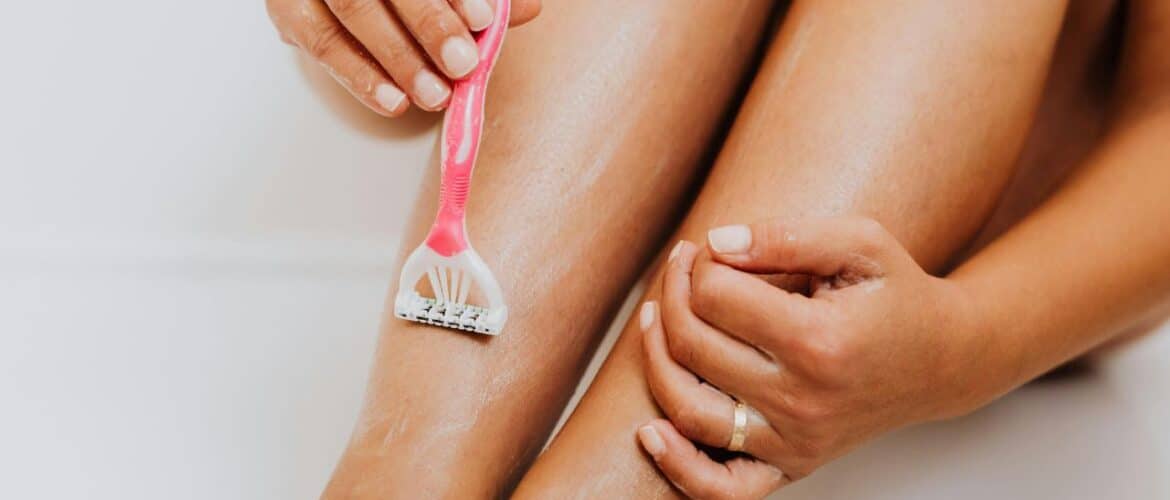
Those tiny dark dots covering your legs after shaving? That’s strawberry skin, and it’s caused by clogged follicles exposed to air. The good news is that waxing eliminates this problem by removing hair from the root instead of cutting it at the surface. You get weeks of smooth, clear skin instead of days of stubble and visible pores.
Making the switch from razor to wax tackles multiple frustrations at once. Razor-related irritation vanishes. Ingrown hairs become rare. Those visible dark follicles that make you self-conscious? They disappear when hair removal targets the entire strand beneath your skin’s surface.
Choose waxing if: You’re tired of daily shaving, dealing with persistent strawberry skin, or want results that last weeks instead of days.
Stick with shaving when: You need a quick touch-up between professional treatments or have budget constraints that make regular waxing sessions difficult.
Key Takeaways:
- Strawberry skin develops when shaving exposes clogged pores that oxidize and darken
- Waxing removes hair from the root, preventing follicle blockage and irritation
- Shaving results last 1-3 days, while waxing delivers smooth skin for 3-6 weeks
- Hard wax adheres only to hair, reducing skin trauma compared to razor blades
- Pre-wax exfoliation and post-wax care minimize ingrown hairs and maintain skin health
What Causes Strawberry Skin After Shaving?
Strawberry skin happens when your hair follicles get clogged with oil, bacteria, and dead skin cells. Every time you shave, your razor cuts hair at the surface while leaving those follicle openings completely exposed. The trapped debris inside oxidizes when it hits the air, turning dark and creating that characteristic dotted look across your skin.
The problem gets worse with each shave. Your razor keeps exposing fresh follicle openings while failing to clear out the underlying blockage within your pores. It’s a cycle that repeats every time you reach for your razor, and shaving side effects like these keep building up.
How Does Shaving Affect Skin And Hair Follicles?
Your razor blade creates tiny trauma points by dragging sharp edges across your skin. Research shows that 36.5% of skin shaved with safety razors shows redness five minutes after shaving, while cartridge razors bump that number up to 53.8%. These numbers prove the inflammatory response your skin experiences from blade contact.
Each blade pass disrupts your skin’s protective barrier and irritates follicle openings. The mechanical action strips away natural oils while pushing surface bacteria into freshly cut follicle channels. Understanding waxing vs shaving for men helps clarify why this surface-level approach creates more problems than it solves.
What Are Open Comedones And Their Role In Strawberry Legs?
Open comedones are pores or hair follicles clogged with oil, bacteria, and dead skin. When shaving exposes these clogged openings, the trapped sebum oxidizes on contact with air and turns black. This oxidation process creates those dark dots that make your legs look like strawberry skin.
The appearance intensifies if you have skin that produces excess oil or deals with keratosis pilaris. Shaving can’t clear existing comedones; it often makes the condition worse by introducing additional surface debris. If you’ve been frustrated by shaving vs waxing and those stubborn strawberry legs, you’re experiencing exactly what happens when surface hair removal meets clogged pores.
Which Skin Issues Are Linked To Shaving Beyond Strawberry Skin?
Razor burn creates those red, irritated patches you see right after dragging a blade across your skin. Pseudofolliculitis Barbae happens when cut hairs curl back and penetrate your skin, causing painful inflammation. Both conditions hit hardest if you have curly or coarse hair.
Shaving brings additional risks, including cuts, nicks, and bacterial infections from contaminated blades. These complications compound over time, creating chronic irritation patterns across the areas you shave most frequently.
How Does Waxing Differ From Shaving In Hair Removal?
Waxing removes the entire hair shaft from beneath your skin’s surface. Shaving just cuts hair at the skin level, leaving the root intact and ready for immediate regrowth. This core difference explains why waxing results last 3-6 weeks compared to shaving’s 1-3 days.
The extraction method differs completely between the two approaches. Waxing pulls hair in the opposite direction of growth, removing follicles cleanly without cutting or causing surface trauma.
- When waxing makes sense: You want long-lasting smoothness, struggle with strawberry skin, or need a solution for persistent ingrown hairs.
- Expected outcomes from waxing: 3-6 weeks of smooth skin, progressively finer regrowth, clearer pores, and reduced irritation compared to daily shaving.
What Is The Hair Removal Process In Waxing?
Hard wax adheres only to hair strands, protecting the surrounding skin from unnecessary pulling. This selective adhesion makes hard wax perfect for sensitive areas like your bikini line and underarms. The wax hardens around each hair, creating a firm grip for complete follicle extraction.
Soft wax spreads efficiently across larger surface areas like legs and arms. A cloth strip pressed over the soft wax removes both the product and embedded hairs in one swift motion. Professional estheticians master these techniques to minimize discomfort while maximizing results.
How Does Waxing Impact Hair Regrowth And Skin Texture?
Waxing removes hair from the root, so your body needs to regenerate the complete follicle before new growth appears. This biological process takes 3-6 weeks compared to shaving’s surface cut that allows immediate regrowth. You get extended smoothness between sessions, which dramatically reduces cumulative skin damage from frequent hair removal.
Regular waxing may weaken hair follicles over time, leading to finer and sparser regrowth. This progressive thinning reduces how often you need maintenance sessions and improves your long-term skin texture. The waxing benefits extend far beyond just hair removal.
What Are The Common Types Of Waxing And Their Uses?
Strip waxing applies soft wax that requires cloth removal and works best for large areas. Hard wax solidifies without cloth strips, making it ideal for coarse hair and sensitive zones. Sugar waxing uses a water-soluble paste that washes away easily and causes less irritation than traditional formulas.
Brazilian waxing removes all pubic hair using hard wax for maximum precision. Full leg waxing typically uses soft wax for efficient coverage, averaging $70 per professional session. When you’re ready to explore your options, check out our complete menu of waxing and skincare services to find the perfect treatment for your needs.
Why Is Waxing A Better Solution For Strawberry Skin?
Waxing prevents strawberry skin by removing hair below the surface instead of cutting it. This extraction method clears follicle openings rather than exposing them to oxidation and debris accumulation. Clean, empty follicles can’t develop those dark spots that show up after shaving.
The benefits go beyond appearance to include actual pore health improvement. Regular waxing sessions progressively reduce follicle blockage because consistent hair removal prevents debris buildup.
How we compare to shaving:
- Duration: Waxing lasts 3-6 weeks vs. shaving’s 1-3 days
- Skin health: Waxing clears pores vs. shaving exposes them
- Long-term results: Waxing weakens follicles vs. shaving maintains thick regrowth
- Convenience: Waxing requires fewer sessions than shaving, which needs daily maintenance
How Does Waxing Help Prevent Clogged Pores And Irritation?
Wax removes hair from the root, eliminating the blunt cut edge that shaving creates. Without cut hair tips trapped beneath your skin’s surface, follicles stay clear of the primary blockage source. This prevention mechanism addresses strawberry skin at its origin rather than masking surface symptoms.
The extraction process pulls trapped debris from follicle openings during hair removal. This clearing action provides benefits beyond hair elimination, working like a mechanical pore treatment. Learning how to properly care for your skin makes all the difference in maintaining these results.
What Exfoliation Benefits Does Waxing Provide?
Wax adhesion lifts away dead skin cells along with unwanted hair during removal. This dual-action process delivers physical exfoliation that reveals fresher, smoother skin beneath accumulated surface debris. The combination improves your overall skin texture while removing hair.
Regular waxing sessions maintain this exfoliation cycle, preventing the dead cell buildup that contributes to clogged pores. You’ll notice progressive improvement in your skin care quality after several consecutive treatments. Post-waxing care tips from Las Vegas estheticians help you maximize these benefits between sessions.
How Does Waxing Reduce The Likelihood Of Ingrown Hairs?
Hair removed from the root grows back with a natural tapered tip. Shaving creates blunt edges that penetrate skin more easily when the hair curls during regrowth. The pointed tips from waxed hair break through the surface cleanly rather than getting trapped beneath.
Pre-wax exfoliation 24-48 hours before treatment further reduces the risk of ingrown hair. This preparation step clears away surface debris that could trap emerging hairs after your waxing session. If you’ve struggled with this issue, avoiding ingrown hairs through proper exfoliation and care makes a significant difference.
Who Should Consider Switching From Shaving To Waxing?
Anyone dealing with persistent strawberry skin should evaluate waxing as an alternative. If you have curly or coarse hair, you face higher ingrown hair risks from shaving that waxing effectively minimizes. Those seeking longer-lasting smoothness benefit from waxing’s 3-6 week results versus shaving’s daily maintenance requirement.
People prone to razor burn find relief through waxing’s gentle approach. The switch tackles multiple concerns at once rather than treating isolated symptoms.
- Choose waxing if: You experience chronic strawberry skin, spend excessive time on daily shaving, or deal with painful ingrown hairs regularly.
- Consider staying with shaving when: You have extremely sensitive skin that reacts to all hair removal methods, take certain medications that contraindicate waxing, or genuinely prefer daily grooming routines.
What Skin And Hair Types Benefit Most From Waxing?
Coarse hair responds beautifully to waxing’s root extraction, which prevents the thick regrowth that causes visible stubble. Sensitive skin types avoid the repeated blade trauma that triggers inflammation and irritation. Dark hair on light skin shows the most dramatic strawberry skin improvement because waxing eliminates those dark follicle dots completely.
Combination skin benefits from waxing’s exfoliation without the oil stripping that razors cause. Normal to dry skin maintains better moisture balance without daily shaving disruption. Exploring the benefits of Brazilian waxing reveals how these advantages apply to your most sensitive areas.
When Is It Advisable To Avoid Waxing?
Retinol and Accutane users risk skin lifting or severe abrasion during facial waxing. These medications thin your skin, making it vulnerable to the adhesive pull of wax products. Get medical clearance before scheduling any waxing treatment if you’re on these prescription regimens.
Your skin needs to be free from active irritation, sunburn, or open cuts before waxing. Compromised skin can’t tolerate waxing’s extraction force without risking further damage or infection.
How Does Hair Length Affect The Waxing Process?
Your hair must reach 1/4 to 1/2 inch before waxing treatment can effectively grip each strand. This length requirement means you’ll need to endure a growth period after your final shave. The waiting period typically spans 2-3 weeks, depending on your individual growth rate.
Allowing hair growth to at least 1/4 inch ensures the wax can properly adhere and extract. Shorter hair slips through wax adhesion, leaving behind partially removed follicles that negate the treatment benefits. If you have thick hair, proper preparation ensures your first waxing experience delivers optimal results.
How Should You Prepare For And Care For Waxing To Maximize Benefits?
Proper preparation ensures optimal waxing results and minimizes discomfort during hair removal. Post-treatment care maintains smooth results while preventing complications like ingrown hairs or folliculitis. Following professional guidelines transforms waxing from simple hair removal into comprehensive skin improvement.
Your investment in preparation and aftercare delivers returns through extended smoothness and improved skin condition. These steps become routine after the initial learning period.
What Are The Recommended Pre-Waxing Skin Preparations?
Pre-wax exfoliation 24-48 hours before treatment removes dead skin cells and frees trapped hairs. This preparation step allows the wax to contact hair directly rather than pulling through debris layers. Gentle scrubbing with a sugar-based exfoliant provides sufficient clearing without over-irritating your skin.
Your hair must grow to at least 1/4 inch in length before scheduling a waxing appointment. A quick skin assessment should confirm you’re free from active irritation, sunburn, or cuts that could worsen during treatment. Understanding why exfoliation matters after a Brazilian wax helps you maintain results long-term.
What Post-Waxing Care Practices Help Maintain Skin Health?
Fragrance-free moisturizers applied immediately after waxing soothe the treated area without chemical irritation. Aloe vera gel provides cooling relief while supporting your skin’s natural healing process. These products create a protective barrier over freshly opened follicles.
Skip hot baths, saunas, and intense workouts for 24-48 hours post-wax. Heat and sweat introduce bacteria into open follicles, risking infection or inflammation during the vulnerable healing window. Simple adjustments to your routine make a substantial difference.
How Can Consumers Choose Between Professional And At-Home Waxing?
At-home waxing costs $30-$100 annually compared to professional services at $360-$1,200 per year. Professional treatments guarantee proper technique and hygiene standards that minimize complication risks. Licensed estheticians assess your skin condition and adjust methods for your individual needs.
Home kits offer convenience and privacy for experienced users comfortable with the technique. First-timers typically achieve better results through professional guidance before attempting independent treatments. The confidence you gain from a professional experience often outweighs the cost difference.
Which Factors Influence Consumer Preferences Between Shaving And Waxing?
Cost considerations weigh at 30% priority while convenience factors contribute 25% to method selection. Effectiveness and result duration account for 20% of the decision framework. Skin sensitivity concerns and long-term effects represent the remaining 25% of consumer evaluation criteria.
These priorities shift based on individual circumstances, previous experiences, and specific skin concerns. The decision becomes clearer when you experience both methods under proper conditions.
How Do Cost And Convenience Affect Hair Removal Choices?
Annual shaving expenses range from $100-$200 for razors and replacement blades. Five-year shaving projections total $500-$1,000 compared to at-home waxing’s $150-$500 for the same period. Professional waxing represents a higher upfront investment that delivers longer-lasting results requiring fewer total sessions.
Shaving offers immediate convenience within daily shower routines without appointments or growth waiting periods. Waxing demands scheduled sessions and hair length requirements but eliminates daily maintenance for weeks. Consider why waxing beats shaving for winter events when planning your seasonal grooming strategy.
What Role Does Pain Tolerance Play In Method Selection?
Waxing can be uncomfortable, particularly during initial sessions before your skin adapts to the sensation. The discomfort lasts only seconds per application area compared to the cumulative irritation from daily shaving. Many clients report decreasing sensitivity with regular waxing as hair becomes finer and less dense.
Pain perception varies significantly between individuals and body areas treated. Sensitive zones like the bikini area cause more discomfort than arms or legs, regardless of method selection. Your first experience sets expectations, so choosing an experienced esthetician matters.
How Are Skin Sensitivity And Long-Term Effects Weighed By Consumers?
Sensitive skin reacts poorly to daily blade trauma, making waxing’s infrequent sessions more tolerable overall. The cumulative damage from repeated shaving often exceeds the temporary inflammation from periodic waxing. Long-term benefits become obvious when you track skin health over months rather than days.
Long-term waxing potentially reduces hair density and thickness through follicle weakening. Shaving provides no progressive improvement, maintaining consistent regrowth patterns indefinitely, regardless of how long you’ve been doing it.
What Are The Dermatological Risks Of Shaving Compared To Waxing?
Shaving carries a higher daily risk of skin trauma through cuts, nicks, and razor burn. Waxing concentrates risk into scheduled sessions where proper technique minimizes complications. The frequency difference means shaving exposes your skin to potential damage 365 times annually, versus waxing’s 8-17 sessions.
Infection risks from contaminated razors or improper blade storage affect daily shavers consistently. Waxing performed in professional settings maintains sterile conditions that prevent bacterial transmission.
How Common Are Razor Burn And Folliculitis?
Razor burn affects the majority of regular shavers, appearing as red, irritated patches following blade contact. Folliculitis develops when bacteria enter cut follicles, causing inflammation and pus-filled bumps across shaved areas. Both conditions become chronic with continued shaving despite treatment attempts.
The inflammatory response measured at 36.5% with safety razors and 53.8% with cartridge razors indicates substantial irritation rates. These statistics confirm how widespread shaving-related dermatological problems really are.
What Chemical Risks Do Depilatory Creams Pose As Alternatives?
Thioglycolic acid serves as the active ingredient in depilatory creams, dissolving hair through chemical breakdown. High alkaline pH levels required for hair dissolution can weaken your skin barrier when exposure exceeds recommended timing. Chemical burns result from products left on too long or used on sensitive skin without patch testing.
Contact dermatitis from depilatory cream chemicals affects individuals with fragrance or preservative sensitivities. Cream-based depilatories compromise skin barrier function through repeated use even when applied correctly.
How Does Waxing Mitigate Typical Shaving-Related Skin Problems?
Waxing eliminates blade contact, preventing cuts, nicks, and the microscopic trauma that causes razor burn. Clean follicle extraction reduces bacterial infection risks compared to surface cutting that leaves open channels. The method addresses strawberry skin by removing hair completely rather than creating oxidizable cut ends.
Proper waxing technique with appropriate wax types minimizes inflammation while achieving thorough hair removal. Your skin responds to the difference within the first few sessions.
Strawberry Skin And Hair Removal; Why Waxing Is The Smarter Choice
Waxing resolves strawberry skin by extracting hair from the root rather than cutting it at the surface. This approach prevents the clogged pores and oxidation that create dark follicle dots across shaved skin. You get 3-6 weeks of smooth, clear skin while progressively improving texture through built-in exfoliation.
The investment in waxing pays off through reduced daily maintenance, improved skin health, and elimination of chronic irritation. Professional treatments deliver these results through licensed estheticians trained in proper technique. Making the switch tackles multiple concerns at once while establishing a sustainable, long-term hair removal approach.
Ready to say goodbye to strawberry skin for good? SOS Wax & Skincare offers professional waxing services across 7 Las Vegas locations with expert estheticians who specialize in comfortable, confidence-boosting treatments. New clients get their first Brazilian for just $30, and we offer 4-week maintenance pricing to keep you smooth and save you money.
Book online 24/7 or walk in, we’re here to help you achieve the smooth, clear skin you deserve. Visit us today and experience why we’re voted Best of Las Vegas for waxing!

Genet Nemeth is the owner of SOS WAX and Skincare in Las Vegas. She loves talking about skincare and waxing with employees and clients. When not in one of her shops, you can find Genet enjoying a matcha tea ice cream cone at her favorite café.