
Microdermabrasion vs. Chemical Peels: Which One Is Right for Your Skin Goals?
Key Takeaways:
- Microdermabrasion offers a gentle, non-invasive exfoliation suitable for mild concerns like dullness and fine lines.
- Chemical peels provide deeper resurfacing with a variety of acids, targeting more significant issues like hyperpigmentation and deep wrinkles.
- Microdermabrasion has minimal downtime, allowing you to return to normal activities immediately.
- Chemical peels have varying recovery times, with deeper peels requiring up to two weeks of healing.
- Both treatments can be tailored to different skin types; however, chemical peels require more careful selection based on your skin tone and specific concerns.
Microdermabrasion and chemical peels are both highly effective exfoliation treatments that can enhance your skin’s appearance. Microdermabrasion provides a gentle, non-invasive approach to improving skin texture, tone, and clarity. Chemical peels, on the other hand, offer deeper resurfacing, making them ideal for addressing more significant concerns such as acne scars and severe sun damage. Understanding the differences between these two treatments will help you choose the right one based on your skin’s unique needs and your desired results.
What Is Microdermabrasion?
Microdermabrasion is one of the most popular exfoliation treatments available today. When comparing microdermabrasion vs chemical peel options, this treatment stands out for its gentle, mechanical approach to skin resurfacing. It’s a go-to choice at facial treatments in Las Vegas clinics for clients seeking visible results without downtime.
How Does Microdermabrasion Work?
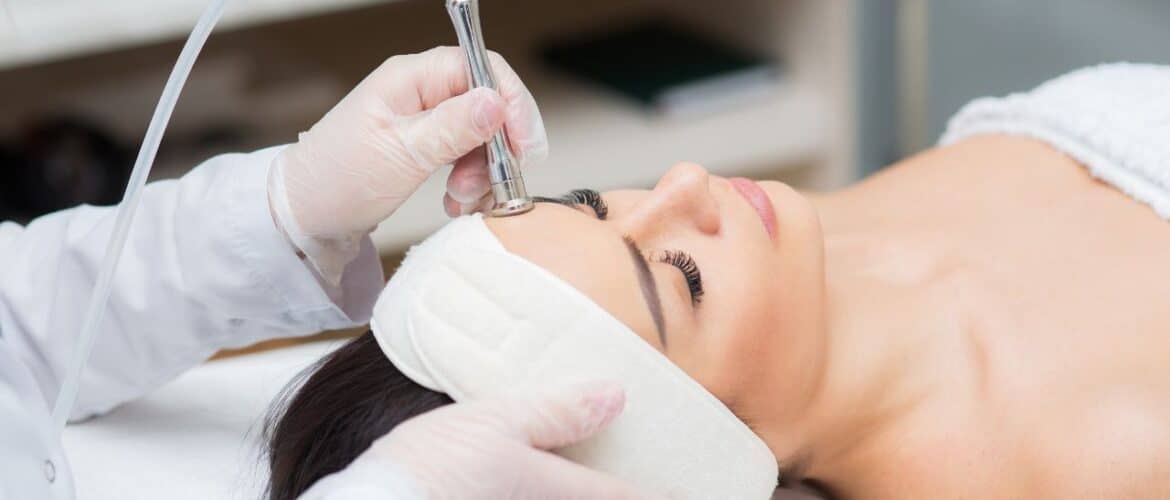
Microdermabrasion uses a minimally abrasive instrument to gently sand the skin’s surface. This mechanical exfoliation removes the stratum corneum—the thick, uneven outer layer of dead skin cells.
The process triggers your body’s natural healing response. Your skin ramps up collagen production and generates fresh, healthy cells. But the benefits go deeper. The treatment rearranges melanosomes in the basal layer of your epidermis and increases collagen fiber density at the dermal-epidermal junction. This means improvements in both tone and firmness over time.
What Are the Types of Microdermabrasion Techniques?
Three main techniques exist. Diamond-tip microdermabrasion uses a diamond-tipped wand to abrade skin with precision. Practitioners can control depth and intensity based on your skin’s needs.
Crystal microdermabrasion sprays fine abrasive particles—typically aluminum oxide or sodium bicarbonate crystals—across the skin while simultaneously vacuuming them away. Hydrodermabrasion combines exfoliation with hydration delivery, making it ideal for dry skin types.
What Are the Benefits of Microdermabrasion?
Microdermabrasion improves skin texture and eliminates dullness. The collagen stimulation delivers anti-aging benefits that compound with repeated treatments. It’s an effective acne scar texture treatment for mild scarring and surface irregularities.
The treatment is safe for all skin types, including sensitive skin. There’s no downtime—you can return to normal activities immediately after your session. It works best for mild-to-moderate concerns: uneven texture, dullness, fine lines, and superficial acne scars. For deeper concerns like severe hyperpigmentation treatment needs, other options may be more effective.
What Is a Chemical Peel?
Chemical peels take a different approach to skin resurfacing. Instead of mechanical abrasion, these exfoliation treatments use acid solutions to renew your skin from within. In the microdermabrasion vs chemical peel comparison, peels offer deeper penetration and more dramatic results—making them a popular choice for clients with stubborn skin concerns.
How Does a Chemical Peel Work?
A chemical peel applies an acid solution directly to your skin. Common acids include glycolic acid, salicylic acid, and trichloroacetic acid (TCA). This creates a controlled injury to the epidermis—and sometimes the dermis beneath.
Your skin responds by shedding its damaged outer layers. As it peels away over the following days, smoother, more evenly toned skin emerges underneath. The depth of the peel determines your results and recovery time. Superficial peels work on the surface. Medium and deep peels penetrate further for more significant correction.
What Are the Different Types of Chemical Peels?
Superficial peels use mild acids like glycolic acid. They require minimal downtime—just 1–2 days—and can be repeated monthly for maintenance. These are ideal for mild texture issues and dullness.
Medium-depth peels use TCA or stronger acid concentrations. They target deeper wrinkles, sun damage, and moderate scarring. Expect a longer healing period. Deep peels are the most aggressive option. They address severe skin concerns but require 2+ weeks of downtime and are performed far less frequently.
What Are the Benefits of Chemical Peels?
Chemical peels deliver results across a wide range of concerns: sun damage, deeper wrinkles, acne, and discoloration. They’re the gold-standard hyperpigmentation treatment and an effective acne scars texture treatment for moderate to severe scarring.
The dramatic, visible results set peels apart from gentler options. Depth and strength are fully customizable to match your skin goals. Facial treatments Las Vegas providers often recommend medium or deep peels for clients ready to invest in significant transformation. When you need more than surface-level improvement, chemical peels deliver.
What’s the Difference Between Microdermabrasion and a Chemical Peel?
Understanding the microdermabrasion vs chemical peel distinction helps you choose the right path for your skin. Both are effective exfoliation treatments, but they differ significantly in approach, recovery, cost, and ideal candidates. Here’s what separates them.
Which One Is Less Invasive: Microdermabrasion or Chemical Peel?
Microdermabrasion is the less invasive option. It uses mechanical exfoliation—physical abrasion—to resurface only the outermost layer of skin. It’s classified as a minimally invasive epidermal resurfacing procedure.
Chemical peels use acid solutions to create a controlled injury. Superficial peels affect only the epidermis, similar to microdermabrasion. But medium and deep peels penetrate the dermis, making them significantly more invasive. The depth you choose determines how aggressive the treatment becomes.
What Is the Recovery Time for Each Treatment?
Microdermabrasion requires minimal downtime. Expect a few hours of redness, then you’re back to normal. Most clients schedule treatments during lunch breaks.
Superficial chemical peels need 1–2 days of recovery. Medium-depth peels require several days to one week. Deep peels demand 2+ weeks before your skin fully heals. Plan accordingly based on your schedule and commitments.
How Do the Costs of Microdermabrasion and Chemical Peels Compare?
Microdermabrasion runs $100–$250 per session. It’s the more budget-friendly option for regular maintenance.
Chemical peels range from $150 to $6,000 or more. Superficial peels sit at the lower end. Deep peels—which deliver the most dramatic results—cost significantly more. Facial treatments Las Vegas providers typically offer package pricing for series treatments, which can reduce per-session costs.
Which Treatment Offers Better Results for Different Skin Types?
Microdermabrasion works safely on all skin types, including sensitive skin. It’s a reliable choice when you’re unsure how your skin will react.
Chemical peels require more consideration. Darker skin tones face an increased risk of post-inflammatory hyperpigmentation with deeper peels. Superficial peels are generally safe across skin types. For hyperpigmentation treatment or acne scars texture treatment, medium and deep peels deliver superior results—but only when matched appropriately to your skin tone and concerns. Consult a professional before proceeding with deeper peels if you have melanin-rich skin.
Which Skin Goals Are Best Suited for Microdermabrasion?
Microdermabrasion excels at specific concerns but has limitations. Knowing where it shines—and where it falls short—helps you decide if it’s the right choice in the microdermabrasion vs chemical peel comparison.
Is Microdermabrasion Ideal for Acne Scars?
Microdermabrasion works for mild, superficial acne scarring only. It’s better suited for post-acne texture irregularities than deep pitted scars.
If you have severe or deep acne scars, this treatment won’t deliver the results you want. It’s less effective for significant scarring and deep wrinkles. For serious acne scars texture treatment, chemical peels or other resurfacing options provide better outcomes.
How Does Microdermabrasion Address Fine Lines and Wrinkles?
Microdermabrasion offers modest improvement for fine lines and wrinkles. It works by stimulating collagen production and increasing collagen fiber density over time.
Results are more subtle than chemical peels. Don’t expect dramatic change from a single session. A series of 4–6 treatments delivers the best outcomes. If fine lines are your primary concern, manage expectations accordingly—or consider deeper exfoliation treatments.
Can Microdermabrasion Improve Skin Texture and Tone?
This is where microdermabrasion truly shines. It’s rated best for addressing dullness and is highly effective for uneven skin texture. The treatment rearranges melanosomes in the basal layer of your epidermis, which helps correct minor tone irregularities.
It’s the ideal choice for clients seeking a quick refresh with zero downtime. Facial treatments, Las Vegas clients often choose microdermabrasion for maintenance between more intensive procedures. For hyperpigmentation treatment or severe discoloration, however, chemical peels typically deliver stronger results.
Which Skin Goals Are Best Suited for Chemical Peels?
Chemical peels tackle concerns that gentler exfoliation treatments can’t reach. When comparing microdermabrasion vs chemical peel effectiveness, peels consistently outperform for deeper skin issues. Here’s where they deliver the strongest results.
Can Chemical Peels Reduce Hyperpigmentation and Sun Damage?
Chemical peels are the preferred hyperpigmentation treatment available. Superficial peels offer good improvement, but medium and deep peels deliver the best results for stubborn discoloration and sun damage.
One important caveat: darker skin tones face a higher risk of post-inflammatory hyperpigmentation with deeper peels. Work with an experienced provider who understands melanin-rich skin. Superficial peels offer a safer starting point if you’re concerned about PIH.
How Effective Are Chemical Peels for Treating Deep Wrinkles?
Medium and deep peels rank as the best option for fine lines and wrinkles. They produce dramatic results that microdermabrasion simply can’t match.
Clients in their 50s and beyond, targeting wrinkles and loss of firmness, benefit most from medium-depth peels. Facial treatments Las Vegas practitioners often recommend this level for significant anti-aging correction. The extended downtime pays off in visible, lasting improvement.
Is a Chemical Peel Better for Active Acne or Breakouts?
Superficial peels are the top choice for acne and congestion. Salicylic acid peels work particularly well for acne-prone clients. A schedule of superficial peels every 3–4 weeks helps manage oil production and keeps pores clear.
Medium and deep peels can address acne but may prove too aggressive for active breakouts. They’re better suited for acne scar texture treatment after inflammation has calmed. Start with superficial peels for active acne, then consider deeper options once your skin stabilizes.
How to Choose the Right Treatment for Your Skin Type?
The microdermabrasion vs chemical peel decision comes down to your unique skin, lifestyle, and goals. Both exfoliation treatments work—but the right choice depends on several personal factors.
What Are the Key Considerations When Choosing Between Microdermabrasion and a Chemical Peel?
Start with your primary skin concern. Match your issue to the treatment that addresses it most effectively. Acne scars, texture treatment, and hyperpigmentation treatment respond best to chemical peels. Dullness and mild texture issues suit microdermabrasion.
Consider your downtime tolerance. Microdermabrasion requires zero recovery. Peels range from 1 day to 2+ weeks, depending on depth. Budget matters too—microdermabrasion runs $100–$250 per session while peels range from $150 to $6,000+. Finally, think about desired intensity. Want subtle improvement? Choose microdermabrasion. Ready for dramatic transformation? A chemical peel delivers.
How Do Skin Sensitivities Influence the Decision Between the Two Treatments?
Microdermabrasion is safe for sensitive skin. It’s the lower-risk option when you’re uncertain how your skin reacts to treatments.
Chemical peels carry a higher risk of side effects. Darker skin tones—Fitzpatrick types IV through VI—face increased PIH risk with deeper peels. If you have melanin-rich or reactive skin, superficial peels offer a safer entry point than medium or deep options. Build up gradually rather than starting aggressively.
What Role Does Professional Guidance Play in Selecting the Right Treatment?
Consult a licensed esthetician or dermatologist before deciding. They can assess your skin, discuss realistic expectations, and guide you toward the safest and most effective option.
Treatment depth and strength are fully customizable based on professional assessment. Facial treatments Las Vegas providers evaluate your skin type, concerns, and history before recommending a protocol. This personalized approach minimizes risk and maximizes results. Don’t guess—get expert input.
Are There Any Risks Associated with Microdermabrasion or Chemical Peels?
All exfoliation treatments carry some level of risk. Understanding potential side effects helps you prepare and make informed decisions. Here’s what to expect from each option in the microdermabrasion vs chemical peel comparison.
What Are the Potential Side Effects of Microdermabrasion?
Microdermabrasion is generally considered very safe with minimal risks. Most clients experience only a few hours of redness post-treatment.
Rare side effects include temporary sensitivity or minor irritation. These resolve quickly without intervention. The main limitation isn’t safety-related—it’s simply less effective for deep concerns like severe scarring or significant wrinkles. For acne scars, texture treatment, or intensive hyperpigmentation treatment, you may need stronger options.
What Are the Risks of Chemical Peels?
Chemical peels carry a higher risk of side effects compared to microdermabrasion. The primary concern is post-inflammatory hyperpigmentation, especially for darker skin tones.
Not all skin types tolerate chemical peels well. Risk increases with peel depth—medium and deep peels carry significantly more potential for complications than superficial options. Possible side effects include prolonged redness, scarring, infection, and uneven skin tone. Discuss your full medical history with your provider before proceeding.
How Can You Minimize the Risks of Both Treatments?
Timing matters for chemical peels. Schedule them in fall or winter to avoid sun exposure during the healing process. Microdermabrasion can be performed year-round with proper SPF protection afterward.
A professional application ensures correct peel depth and proper technique. Facial treatments Las Vegas providers with experience reduce complication rates significantly. Follow your aftercare protocol exactly—sun protection, gentle cleansing, and avoiding active ingredients as directed. Skipping aftercare steps is the fastest way to compromise your results and increase risk.
What Is the Aftercare for Microdermabrasion and Chemical Peels?
Proper aftercare protects your results and prevents complications. The microdermabrasion vs chemical peel difference extends to recovery protocols—one requires minimal attention while the other demands careful management.
How Should You Care for Your Skin Post-Microdermabrasion?
Microdermabrasion requires minimal aftercare due to the lack of significant downtime. Your skin remains intact, just freshly exfoliated.
Sun protection is essential. Apply SPF daily—this treatment can be done year-round as long as you protect your skin afterward. Avoid harsh products like retinols, acids, and exfoliants for 24–48 hours. Keep skin hydrated with a gentle, non-irritating moisturizer. That’s it. Simple protocol, quick return to your normal routine.
What Post-Treatment Care Is Necessary After a Chemical Peel?
Chemical peels demand more attentive aftercare. Avoid sun exposure during the entire healing process—this is the primary reason facial treatments Las Vegas providers recommend scheduling peels in fall or winter.
Follow the essential post-peel protocol: daily SPF protection, gentle cleansing, consistent hydration, and avoiding active products until fully healed. Let your skin peel naturally. Do not pick or pull at flaking skin—this causes scarring and uneven results. Deeper peels require more intensive aftercare and closer monitoring. Your provider will give you specific instructions based on your peel depth.
How Long Does It Take for Skin to Fully Heal from Either Treatment?
Microdermabrasion heals the same day. Expect a few hours of redness, then you’re back to normal. These exfoliation treatments fit easily into busy schedules.
Superficial chemical peels take 1–2 days for full recovery. Medium-depth peels require several days to one week, with visible peeling throughout. Deep peels need 2+ weeks to fully heal. Plan your acne scar texture treatment or hyperpigmentation treatment around your calendar—especially if you have events or obligations that require looking your best.
Choose the Best Treatment for Your Skin Today!
Whether you’re looking for a quick refresh or a more dramatic transformation, microdermabrasion and chemical peels offer distinct benefits. At SOS Wax, we offer personalized consultations to help you select the perfect treatment for your skin goals. Ready to achieve smooth, glowing skin? Book an appointment with us today and start your journey to radiant skin!

Genet Nemeth is the owner of SOS WAX and Skincare in Las Vegas. She loves talking about skincare and waxing with employees and clients. When not in one of her shops, you can find Genet enjoying a matcha tea ice cream cone at her favorite café.