
Hard Wax Beads Vs. Strip Wax for Brazilian: What Your Salon Uses and Why It Matters
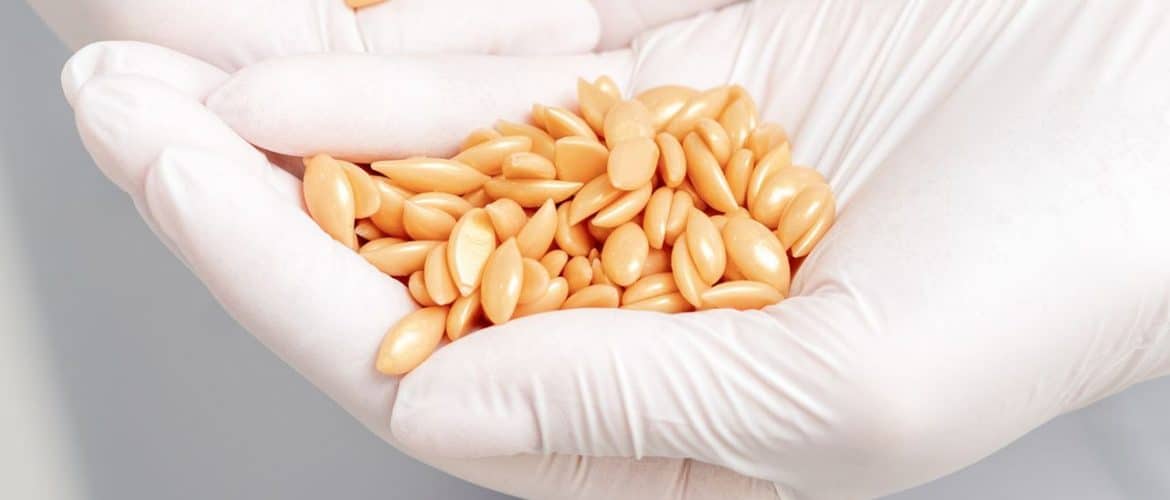
Choosing between hard wax beads vs strip wax comes down to treatment area, client pain tolerance, and hair coarseness. Professional studios select specific wax types accordingly: hard wax beads dominate 54% of the depilatory waxes market, while strip wax accounts for 46%. Understanding the differences between hard wax vs. soft wax helps clients make informed decisions about their preferred service method.
Below, you’ll find a full comparison of application technique, pain levels, and effectiveness. Licensed estheticians consider skin sensitivity, treatment area size, and desired results when selecting appropriate wax formulations. SOS Wax and Skincare was founded in 2014, with studios serving Las Vegas and Henderson since 2015, and this studio wax choice guide explains why professional establishments prioritize specific wax types for Brazilian services and sensitive areas.
Key Takeaways:
- Hard wax beads adhere only to hair and reduce pain by 20% compared to strip wax
- Strip wax efficiently covers large areas but adheres to both hair and skin
- 54% of the depilatory waxes market consists of hard wax due to its gentler application
- Brazilian waxing works most effectively with three consistent appointments, spaced about four weeks apart to hold your Maintenance rate
- Professional studio services account for 41% of urban consumer preferences over at-home kits
Hard Wax Beads vs Strip Wax: What Each One Is
Hard wax beads and strip wax represent two distinct hair removal methods used in professional studios. Hard wax beads currently hold 54% market share, while strip wax maintains 46% of the depilatory market.
Both wax types remove hair from the root but differ in application technique and removal process. Hard wax hardens on the skin and removes without strips, while strip wax requires cloth removal.
Feature | Hard Wax Beads | Strip Wax |
|---|---|---|
Adhesion | Hair only | Hair and skin |
Pain level | About 20% lower | Higher |
Removal method | Peels off without strips | Pulled off with cloth strips |
Best treatment areas | Sensitive areas, Brazilian | Larger areas, legs and arms |
Exfoliation | Minimal | Built in, removes dead skin |
How Hard Wax Beads Work
Hard wax is applied thickly, allowed to cool and harden, and then removed without cloth strips. The wax shrink-wraps around individual hairs and pulls away cleanly once solidified.
Hard wax adheres only to the hair, not the skin, making it gentler on sensitive areas. Application temperatures range between 45°C and 60°C to ensure proper consistency and effective hair removal.
Strip Wax and Its Application Process
Strip wax is applied in very thin layers and removed using muslin or non-woven strips. The esthetician presses the strip firmly against the waxed area before pulling it away quickly.
Strip wax adheres to both the hair and the top layer of dead skin cells. This dual adhesion provides exfoliation benefits but increases discomfort compared to hard wax applications.
Brazilian Waxing Is a Uniquely Comprehensive Service
Brazilian waxing involves the complete removal of hair from the pelvic region, including front, back, and everything between. This comprehensive service represents a high-demand treatment category that significantly contributes to professional studio revenue.
The specialized nature of Brazilian waxing requires experienced estheticians trained in sensitive area techniques. Hard wax typically serves as a preferred Brazilian wax method due to reduced pain and superior results.
Hard Wax Beads vs Strip Wax: Why Consumers Prefer One Over the Other
Consumer wax preferences stem from effectiveness, pain tolerance, skin sensitivity, and desired longevity of results. Hard wax reduces pain and discomfort by up to 20% compared to traditional soft wax.
Different body areas and individual pain thresholds influence which wax type clients prefer for specific treatments. Professional studios adjust their wax selection based on client demographics and service area requirements.
How Pain and Skin Sensitivity Affect Wax Choice
Hard wax reduces pain and discomfort by up to 20% compared to traditional soft wax formulations. This significant reduction makes hard wax the preferred choice for highly sensitive areas like Brazilian services.
Approximately 38% of consumers prefer hot wax for sensitive areas due to its gentle application. Understanding pain levels and how to minimize discomfort helps clients prepare mentally and physically for appointments.
Longevity and Effectiveness Differences Between the Two Waxes
Waxing removes 98% of hair in a single session regardless of hair type or thickness. This exceptional effectiveness rate makes waxing superior to other temporary hair removal methods like shaving.
Waxing results last 3 to 6 weeks vs daily shaving, providing extended smoothness and convenience. Consistent waxing appointments keep hair growth on a predictable cycle, making each appointment quicker and more comfortable over time.
How Application Areas Influence Wax Selection
Strip wax more efficiently covers large body areas than hard wax due to its thin application. Legs, arms, and backs benefit from strip wax’s speed and broad coverage capabilities.
Hard wax less efficiently treats large body areas like legs or back compared to strip wax. The wax type benefit for Brazilians and other sensitive zones makes hard wax ideal despite slower application.
Treatment area | Recommended wax | Why |
|---|---|---|
Brazilian and bikini | Hard wax | Gentler on sensitive skin, allows repeat passes |
Underarms | Hard wax | Sensitive area, reduced discomfort |
Legs | Strip wax | Faster coverage of large areas |
Arms | Strip wax | Efficient for broad, less sensitive areas |
Back | Strip wax | Efficient for broad, less sensitive areas |
Demographic and Regional Factors Shape Waxing Preferences
Consumer demographics significantly impact waxing method preferences, with age, gender, income, and location affecting adoption rates. Women account for 62% usage rate, while male grooming adoption has reached 28% of the market.
Urban populations with higher disposable incomes demonstrate a stronger preference for professional waxing services over at-home alternatives. Regional factors like climate, cultural norms, and service availability also shape consumer waxing behavior patterns.
Age and Gender Groups That Favor Each Wax Type
Women account for 62% usage rate across all professional waxing services and product purchases. Female clients aged 18 to 44 represent the primary demographic for routine Brazilian waxing appointments.
Male grooming adoption has reached 28%, representing significant growth in previously underserved market segments. Approximately 41% of consumers aged 18-35 purchase waxing kits through e-commerce platforms for convenience and privacy.
How Urban and Socioeconomic Factors Affect Adoption
Approximately 41% of urban consumers prefer professional waxing over at-home hair removal methods. Higher income, advanced education levels, and urban residence correlate strongly with regular professional waxing adoption.
California, Texas, and Florida dominate the US waxing market due to population density and established studio infrastructure. Metropolitan areas offer greater access to licensed estheticians and specialized waxing facilities compared to rural regions.
The Role of Professional Vs. At-Home Use
Approximately 41% of urban consumers prefer professional waxing for superior results and expert application techniques. Licensed estheticians provide consistent outcomes that at-home users struggle to replicate without proper training. Weighing at-home wax kits against professional service comes down to training and consistency.
Meanwhile, 33% opt for at-home kits due to cost considerations and scheduling flexibility. Over 48% of studio-based hair removal treatments include waxing services, demonstrating continued demand for professional expertise.
Wax Type Plays a Central Role in Brazilian Waxing Techniques
Wax type selection critically impacts Brazilian waxing success, client comfort, and long-term hair growth management. Hard wax advantages include reduced pain, minimal skin trauma, and the ability to rewax the same area.
Professional estheticians prioritize hard wax for Brazilian services because sensitive pelvic skin requires gentler hair removal methods. Strip wax’s dual adhesion to skin and hair makes it unsuitable for repeat applications on delicate areas.
Why Hard Wax Is Preferred for Brazilian Waxes
Hard wax adheres exclusively to hair rather than skin, making it significantly less painful for sensitive areas. This selective adhesion allows the science behind why it’s gentler on your most sensitive areas to work effectively.
The ability to rewax missed areas without causing skin damage makes hard wax essential for Brazilian services. Licensed estheticians can apply hard wax multiple times during one appointment to ensure complete hair removal.
The 3-Appointment Effect and Its Importance
The 3-appointment effect describes how hair grows in three distinct cycles requiring synchronized waxing appointments. It takes three consistent waxing appointments to synchronize the hair growth cycles for optimal long-term results.
Brazilian waxing appointments booked every four weeks achieve proper synchronization over three consecutive sessions and help you hold your Maintenance rate. After synchronization, clients experience longer-lasting smoothness and more consistent results between appointments.
How Wax Type Impacts Hair Growth Cycles
Both hard and strip wax remove hair from the root, disrupting the growth cycle equally. The wax type does not directly alter hair growth biology, but consistency in appointment timing does.
Hard wax’s reduced pain encourages clients to keep to maintenance calendar schedules, improving long-term outcomes. Consistent appointments with either wax type keep hair on a predictable growth cycle, making each visit smoother over time.
Laser Hair Removal Compares and Interacts With Waxing in Key Ways
Laser hair removal represents a semi-permanent alternative and a large, fast-growing segment of the hair-removal industry. The technology differs fundamentally from waxing by targeting and destroying hair follicles rather than removing hair.
Understanding Brazilian wax vs. laser hair removal cost differences helps clients evaluate long-term financial implications. Both methods offer distinct advantages depending on client goals, budget, and hair characteristics.
Factor | Waxing | Laser hair removal |
|---|---|---|
How it works | Removes hair from the root | Destroys the hair follicle with light |
Result duration | 3 to 6 weeks | Semi-permanent after a full course |
Sessions needed | Ongoing, about every 4 weeks | Typically 4 to 7 initial sessions |
Can combine | Not at the same time, same area | Not at the same time, same area |
Downtime | None | Minimal, skin may be sensitive briefly |
Advantages and Limitations of Laser Hair Removal
Laser hair removal utilizes concentrated beams of light to target and destroy the hair follicle permanently. The technology typically requires 4 to 7 sessions because the laser only affects hair in the active growth phase.
Approximately 95% of laser patients report satisfaction with results after completing full treatment courses. However, lasers can be less effective on very light hair or certain skin tones despite advancing technology.
Combining Waxing and Laser Hair Removal Safely
Laser and waxing cannot be used simultaneously on the same area because waxing removes the laser’s target. Laser technology requires intact hair roots with pigment to effectively destroy follicles during treatment.
Between laser sessions, only shaving is permitted to maintain the hair root for subsequent treatments. Waxing or plucking between laser appointments renders the next session ineffective and wastes time and money.
When to Avoid Waxing During Laser Treatment
Wait 4 to 6 weeks after the last laser session before waxing to allow skin healing and follicle recovery. Immediate waxing after laser can irritate treated skin and compromise the permanent hair reduction achieved.
Similarly, wait 4 to 6 weeks after the last wax before resuming laser treatments to re-establish hair roots. This waiting period ensures the laser has adequate pigment targets for maximum effectiveness during subsequent sessions.
Application Techniques Set Hard Wax and Strip Wax Apart
Application technique fundamentally distinguishes hard wax from strip wax beyond their chemical formulation differences. Hard wax requires a thicker application with bare-hand removal, while strip wax demands thin layers with cloth strips.
Proper technique mastery ensures effective hair removal, minimized pain, and reduced skin irritation regardless of wax type. Licensed estheticians undergo extensive training to perfect application methods for both wax varieties and different body areas.
Step | Hard wax | Strip wax |
|---|---|---|
Application thickness | Thick layer | Thin, paper-thin layer |
Application temperature | 45°C to 60°C | Lower than hard wax |
Set or cool time | 5 to 15 seconds | No set time, removed right away |
Removal tool | None, self-removal | Muslin or non-woven strip |
Removal direction | With hair growth | Against hair growth |
How Hard Wax Beads Are Applied and Removed
Estheticians melt hard wax beads to a thick honey-like consistency before applying them against the hair growth direction. The wax spreads approximately a quarter-inch thick, creating adequate grip for self-removal without cloth strips.
After 5 to 15 seconds of cooling time, the wax hardens sufficiently for removal in the direction of hair growth. The esthetician creates a small lip edge for gripping before quickly pulling the hardened wax parallel.
The Steps for Strip Wax Application
Strip wax is heated to a lower temperature than hard wax and applied paper-thin in hair growth direction. The esthetician spreads wax evenly across the treatment area using a wooden spatula or roller applicator.
A muslin or non-woven strip is pressed firmly onto the waxed area to ensure complete adhesion. The strip is then pulled swiftly against hair growth direction to remove wax, hair, and dead skin.
Visual Indicators of Proper Wax Application
Properly applied hard wax appears opaque and thick enough to prevent skin visibility underneath the layer. The edges should show a slight hardening curl after 10 seconds, indicating readiness for removal without premature breaking.
Strip wax should spread translucently and evenly without gaps, pooling, or excessive thickness in any area. Proper application allows complete strip adhesion without wax seepage beyond the cloth edges during the pressing phase.
Evaluating Hard Wax Beads Vs. Strip Wax for Brazilian Waxing and Studio Practices
Professional studios overwhelmingly prefer hard wax for Brazilian services due to superior client comfort and reduced skin trauma. The 20% pain reduction compared to strip wax makes hard wax the industry standard for sensitive areas.
Strip wax remains valuable for large body areas like legs, where efficiency outweighs the gentleness advantage. Understanding the benefits of Brazilian waxing helps clients appreciate why studios invest in high-quality hard wax formulations despite higher costs.
Proper aftercare prevents ingrown hairs and irritation regardless of wax type used during service. Clients should follow the esthetician’s recommendations for post-wax skin care to maximize results and minimize complications. While at-home wax kits offer cost savings, professional services deliver consistent outcomes that DIY methods struggle to replicate.
The hair removal industry continues to evolve with improved formulations, better training standards, and increased consumer education. Hard wax technology advances have made Brazilian waxing more accessible and comfortable for first-time clients. Professional establishments prioritize client comfort, safety, and results when selecting appropriate wax types for specialized services.
Book Your Brazilian Wax With SOS Wax and Skincare
Now that you know how wax type affects your comfort and results, the next step is choosing a studio that gets it right. SOS Wax and Skincare uses hard wax on all Brazilian services, gentler on sensitive skin, cleaner removal, and less discomfort from start to finish.
New clients get their first Brazilian for just $30. Ask about our Maintenance rate to return within four weeks and save about 30%, or stack up four visits with our Bundles for a free fifth. You will also start earning Gold Points on the Gold List from your first visit. Our licensed estheticians are ready at 7 Las Vegas and Henderson locations, or call (702) 706-2121, and you can book online whenever it works for you.
SOS Wax and Skincare is a multiple-time Best of Las Vegas winner, with back-to-back Gold in Best Facials and Best Eyebrows, and recognition in Best of Las Vegas for Best Waxing every year we have competed. Book your appointment today and discover why thousands trust expert estheticians for comfortable, effective hair removal.
Frequently Asked Questions About Hard Wax Beads and Strip Wax
Q1. Which wax type causes less pain for a Brazilian?
A. Hard wax causes less pain for a Brazilian because it adheres only to hair, not skin, and reduces discomfort by about 20% compared to strip wax. This selective adhesion is why licensed estheticians favor hard wax for sensitive areas. Strip wax works well on larger, less sensitive areas like legs and arms, where speed matters more than gentleness.
Q2. How often should I rebook a Brazilian wax appointment?
A. Rebooking every four weeks keeps your results consistent and holds your Maintenance rate. It also takes about three appointments spaced this way to synchronize your natural hair growth cycles. After that, most clients notice longer-lasting smoothness between visits.
Q3. Can I combine laser hair removal with waxing?
A. Laser hair removal and waxing cannot be used on the same area at the same time, since waxing removes the hair root that laser treatment targets. Estheticians recommend waiting about 4 to 6 weeks between a laser session and a wax, in either direction, so hair roots and pigment targets can reset. Shaving is the only method to use between laser sessions.
Q4. Is strip wax or hard wax better for larger areas like legs and arms?
A. Strip wax suits larger areas like legs and arms because it covers more surface quickly and adheres to a wider treatment area at once. Hard wax works more slowly over the same space, which is why studios reserve it for sensitive, smaller areas instead. The tradeoff is speed for strip wax against gentleness for hard wax.
Q5. Does waxing actually make hair grow back finer?
A. Waxing does not permanently change hair thickness the way laser hair removal can. What consistent waxing does is keep hair growth on a predictable cycle, so each appointment becomes quicker and more comfortable over time. Any lasting reduction in hair thickness is a laser outcome, not a waxing one.

Genet Nemeth is the owner of SOS WAX and Skincare in Las Vegas. She loves talking about skincare and waxing with employees and clients. When not in one of her shops, you can find Genet enjoying a matcha tea ice cream cone at her favorite café.