
Consistency Is Key: How Regular Brazilians Lead To Thinner, Softer Hair Regrowth
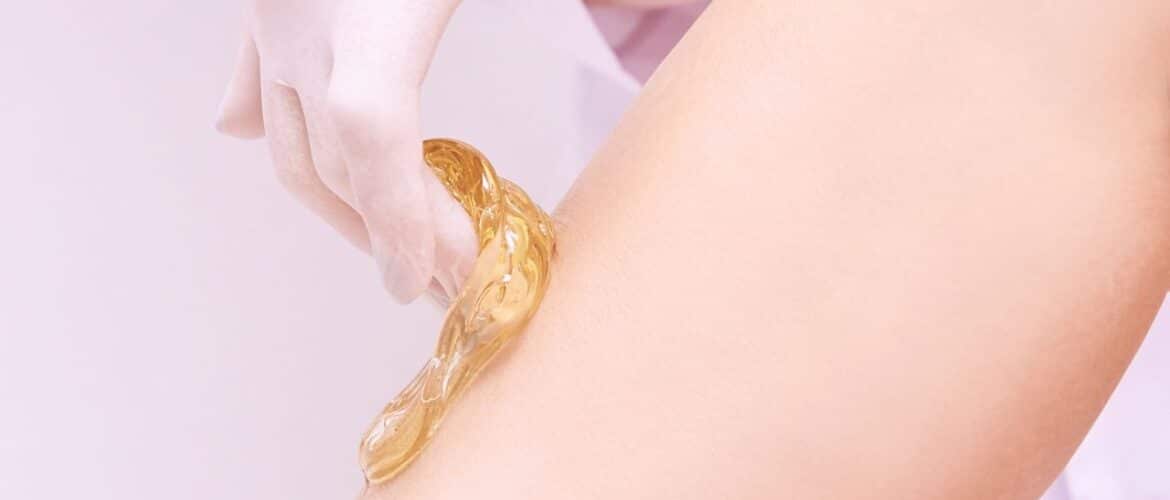
Key Takeaways:
- The 4-6 week schedule isn't arbitrary; it's scientifically aligned with the anagen (growth) phase when hair is attached to the dermal papilla, allowing waxing to damage follicles and create progressive thinning.
- Consistency delivers dramatic results; strict 4-6 week intervals produce 64% hair density reduction after 12 sessions, while inconsistent 7-10 week schedules yield only 31% reduction.
- Never shave between appointments, shaving resets follicle-weakening progress, creates blunt coarse regrowth, and makes your next wax feel "like the first time" again.
- Pain decreases significantly over time. In the first session rate 6-8/10 on pain scale, but by session 5+, most clients report 2-4/10 as follicles weaken and hair becomes finer.
- Aftercare is critical; avoid heat, friction, and swimming for 24-48 hours post-wax; exfoliate 2-3x/week starting 48 hours after to prevent ingrown hairs and maintain smooth results.
The difference between occasional waxing and transformative results comes down to one word: consistency. While a single Brazilian wax removes hair for 2-3 weeks, maintaining a strategic 4-6 week schedule triggers biological changes in your hair follicles, leading to progressively thinner, softer regrowth and up to 64% density reduction over time. This isn’t marketing hype; it’s follicle biology. Understanding the hair growth cycle and timing your appointments to target the anagen (active growth) phase is the key to maximizing regular waxing benefits, minimizing pain, and achieving that effortlessly smooth skin year-round.
Here’s everything you need to know about building a consistent Brazilian routine that actually works.
What Is A Brazilian Wax, And Why Does Consistency Matter?
A Brazilian wax removes all or most pubic hair from front to back, customizable to your preference. Unlike shaving, which cuts hair at the surface, waxing removes hair from the root when it reaches ¼ inch length (about the size of a grain of rice). Here’s the catch: only 30% of your pubic hair is actively growing (anagen phase) at any time, while 70% rests dormant (telogen). Consistency matters because regular appointments train your hair to grow in synchronized cycles, maximizing the percentage of hair removed during the active growth phase when follicle damage is most effective.
The Basic Process:
- Esthetician cleans and preps the area
- Applies wax in small sections
- Places strip and presses firmly (2-3 seconds)
- Quickly removes against hair growth direction
- Repeats until complete
- Applies soothing serum
Pre-Wax Checklist:
- Hair is ¼ inch minimum (not freshly shaved)
- No sunburn or active skin irritation
- Not on isotretinoin/Accutane (wait 6 months after stopping)
- Clean, dry skin (shower beforehand)
- Confirmed salon uses proper hygiene (gloves, no double-dipping)
How Does The Hair Growth Cycle Determine The “4-6 Week Sweet Spot”?
Pubic hair grows in three phases: Anagen (growth) lasts 3-4 months with 80-90% of hair in this phase; Catagen (transition) spans ~10 days as hair detaches from blood supply; Telogen (resting) extends ~100 days before old hair sheds. Waxing during anagen damages the dermal papilla, the hair’s nutrient source, weakening follicles over time. Wait beyond 5.5 weeks, and hair moves into catagen/telogen phases where waxing can’t damage the follicle because it’s already detached from the root.
Hair Growth Cycle Timeline
Week(s) Post-Wax | Hair Growth Stage | Waxing Effectiveness | Action |
0-3 | Early Anagen | Too short to wax effectively | Wait – let hair grow |
4-6 | Mid-Anagen | SWEET SPOT – maximum follicle damage | Ideal appointment window |
7+ | Late Anagen/Catagen/Telogen | Less effective – hair detaching from root | You’ve waited too long; pain resets |
Why Timing Matters:
- 4-6 weeks: Catches 80-90% of hair in the anagen phase when attached to the papilla
- Consistent timing: Synchronizes hair growth cycles over 3-4 sessions
- Waiting too long (7+ weeks): Hair detaches from the root; waxing doesn’t weaken the follicle
- Too frequent (<3 weeks): Hair too short; damages skin without benefit
How Does Consistent Waxing Make Hair Grow Back Thinner And Softer?
Repeated removal during the anagen phase damages the dermal papilla, the follicle’s “food source.” Damaged follicles produce progressively weaker, finer hair. A consistent 4-6 week schedule yields 64% brazilian wax hair reduction after 12 sessions, while an inconsistent 7-10 week schedule achieves only 31% reduction. Long-term waxing (5+ years) can lead to semi-permanent reduction as follicles shrink and weaken beyond recovery, resulting in noticeably soft hair after waxing.
The Follicle Weakening Mechanism:
- Follicle trauma: Forceful removal damages the papilla connection
- Inflammatory response: Body releases markers (IL-1α, IL-1RA) signaling damage
- Follicle shrinkage: Papilla can’t fully recover between sessions; diameter decreases
- Weakened blood supply: Repeated damage reduces nutrient flow
- Finer keratin production: Damaged follicle produces a thinner hair shaft
- Tapered regrowth: Hair has a natural point (not blunt like shaving), feels softer
Waxing Schedule Impact Data
Waxing Schedule | Follicle Damage Per Session | Results After 12 Sessions | Best For |
Strict 4-week intervals | Maximum (80-90% hair in anagen) | 64% density reduction | Those wanting maximum thinning |
Consistent 5-6 weeks | Moderate-High (60-75% in anagen) | 50-55% density reduction | Balanced approach |
Inconsistent (varying 4-10 weeks) | Low (follicles recover between) | 30-35% density reduction | Minimal long-term effect |
What You’ll Notice Over Time:
- Sessions 1-2: Regrowth at 3-4 weeks; similar thickness to pre-wax
- Sessions 3-5: Noticeably softer regrowth; pain decreases; hair synchronizing
- Sessions 6-10: Can extend to 5 weeks; visible density reduction
- Sessions 12+: 60%+ reduction possible; fine/vellus-like hair; 6-7 week intervals, achieving thinner hair regrowth brazilian wax clients’ desire
How Long Do Results Last, And What Affects Longevity?
First-time waxers see noticeable regrowth in 2-3 weeks because only 30% of hair is in the active growth phase during that initial session. Regular waxers maintaining a 4-6 week schedule enjoy 4-6 weeks of smoothness as hair cycles synchronize and follicles weaken. Long-term clients (1+ year of consistent waxing) can extend intervals to 5-7 weeks as follicles produce progressively finer, slower-growing hair. Summer accelerates hair growth by 15-20% due to increased blood circulation, shortening results slightly.
Brazilian Wax Longevity
- First wax: 2-3 weeks (only removes 30% in anagen phase)
- Sessions 2-3: 3-4 weeks (hair syncing)
- Sessions 4+: 4-6 weeks (follicles weakening)
- Long-term (1+ year): 5-7 weeks possible
Factors That Impact Results:
Shortens Longevity:
- Shaving between appointments (resets all progress)
- Inconsistent scheduling (7+ week gaps)
- Summer season (faster growth)
- Hormonal fluctuations (pregnancy, period)
- Coarse, fast-growing hair genetics
Extends Longevity:
- Strict 4-6 week schedule (synchronized, weakened hair)
- No shaving/depilatories between sessions
- Exfoliation 2-3x/week
- Daily moisturizing between sessions
- Winter timing (slower growth)
What Happens if You Shave Between Waxing Appointments?
Shaving between waxes resets your progress, your next session will feel “like the first time” again. Shaving cuts hair at the surface without damaging the follicle, creating blunt ends that feel coarser and disrupting the synchronized growth cycles you’ve built. Regrowth appears in 1-4 days versus the 4-6 weeks you’d enjoy with consistent waxing, throwing off hair length uniformity and negating cumulative follicle-weakening benefits.
Consequences of Shaving Between Waxes:
- Hair grows back with blunt tip (feels thicker/coarser)
- Disrupts growth cycle synchronization
- Next wax more painful (follicles haven’t weakened)
- Increased ingrown hair risk
- Negates cumulative thinning benefits
- May make hair too short for next wax (uneven lengths)
What to Do Instead:
- If seeing regrowth at 2-3 weeks: This is normal (telogen phase hair) – wait it out
- If truly can’t wait: Tweeze a few stragglers only (not entire area)
- For bikini line visibility: Consider trimming edges only, don’t shave
- Emergency situation: ONE shave won’t destroy progress, but don’t make it a habit
Does Waxing Hurt, And Does Pain Decrease Over Time?
The first wax is most painful due to thick, dense hair and unweakened follicles. Pain decreases significantly after sessions 2-3 as hair becomes finer and follicles weaken. Pain levels vary by area: for women waxing, the pubic mound registers moderate discomfort, the labia is more sensitive, and the butt area is surprisingly easiest. With regular waxing, sessions become “quick and not as painful”, many long-term clients describe minimal discomfort.
Pain Management Strategies
Strategy | When to Use | How It Helps |
Take ibuprofen 30-45 min before | Every session, especially first 3 | Reduces inflammation, lowers pain perception |
Schedule 1 week after period | Every appointment | Lowest hormone-related sensitivity window |
Avoid caffeine day-of | If you’re sensitive | Caffeine increases blood pressure = more sensitivity |
Exfoliate 1-2 days before | Every session | Removes dead skin, easier hair removal |
Communicate with esthetician | Throughout service | Can take breaks, adjust technique |
Pain Progression:
- First session: Most uncomfortable; expect 6-8/10 pain level
- Session 2: Noticeably easier; ~5-7/10
- Session 3-4: Manageable; ~3-5/10
- Session 5+: Quick, minimal discomfort; ~2-4/10
What Aftercare Preserves Results And Prevents Complications?
The first 24 hours are most critical, follicles remain open, and skin is vulnerable to infection and irritation. Wait 24-48 hours before swimming to avoid chlorine and bacteria exposure to open follicles. Proper exfoliation starting 48 hours post-wax prevents ingrown hairs by keeping follicle openings clear.
Daily moisturizing keeps regrowth soft and prevents brittle hair breakage at the surface.
FIRST 24 HOURS:
- ❌ No hot showers, saunas, steam rooms
- ❌ No exercise/sweating
- ❌ No swimming or sexual activity
- ❌ No tight clothing
- ✅ Apply aloe vera gel
- ✅ Wear loose cotton underwear
24-48 HOURS:
- ⚠️ Light exercise okay (shower after)
- ⚠️ Can swim if necessary (48 hours safer)
- ✅ Resume normal activities cautiously
- ✅ Begin gentle exfoliation if no redness
48+ HOURS / ONGOING:
- ✅ Exfoliate 2-3x/week (glycolic acid or gentle scrub)
- ✅ Moisturize daily
- ✅ Treat ingrown hairs promptly with serum
- ✅ Avoid tight clothing on wax day
Who Should Avoid Or Modify Brazilian Waxing?
Certain medical conditions and medications make waxing unsafe or require modifications. Isotretinoin (Accutane) thins skin dramatically, waxing while on it or within 6 months of stopping can cause permanent scarring and skin removal. Active infections, sunburns, and open wounds create infection risks and compromise healing.
Pregnancy is generally safe but it increases sensitivity; most practitioners recommend doctor clearance after 8 months. Blood thinners, keloid-prone skin, and active skin conditions like eczema require professional consultation before proceeding.
Absolute Contraindications (do not wax):
- Currently on isotretinoin/Accutane or stopped within 6 months (permanent scarring risk)
- Sunburned skin
- Active skin infection (folliculitis, herpes)
- Open wounds or cuts
Use Caution / Modify Approach:
- Pregnancy (safe but more sensitive; doctor clearance if 8+ months)
- Very sensitive skin / eczema-prone
- Blood thinning medications (bruising risk)
- History of keloid scarring
- During period (more sensitive; wear tampon if proceeding)
How Do You Maintain A Consistent Schedule Without Over-Waxing?
Your body signals when intervals need adjusting. Minimal hair at 4-week appointments means you’re waxing too frequently for your growth rate, extend to 5 weeks. Conversely, thick regrowth or increasing pain after initial improvement suggests waiting too long; maintain strict 4-week intervals for at least 6 sessions to synchronize cycles. Most clients settle into a 4-week rhythm during year one, then extend to 5 weeks as follicles weaken and hair thins.
Scheduling Adjustment Guide
Signal You Notice | What It Means | Adjust Interval To |
Minimal hair at 4-week appointment | Waxing too frequently for your growth rate | Extend to 5 weeks |
Thick regrowth at 4 weeks | Need more frequent sessions initially | Maintain strict 4 weeks for 6+ sessions |
Pain increasing after improving | Either waiting too long OR skin sensitivity | If thick hair: shorten to 3.5 weeks; If sensitive: extend to 5 weeks |
Stubble immediately after wax | Hair too short to grip | Wait 5 weeks next time |
Regrowth soft and tapered | Normal progress – follicles weakening | Continue current interval |
Redness lasting 4+ days | Over-waxing or sensitivity | Extend to 6 weeks; use soothing products |
Rules of Thumb:
- Don’t rebook at first regrowth (2-3 weeks is normal for telogen hair)
- Never less than 3 weeks between sessions
- Most clients settle into a 4-week rhythm in the first year, then extend to 5 weeks
- Listen to your esthetician about hair length/readiness
- Track your cycles and adjust based on feedback
What Are Alternatives If Waxing Isn’t Right For You?
Not everyone tolerates waxing, sensitivity, pain threshold, or time constraints, which may require alternatives. Sugaring offers similar results with gentler extraction for sensitive skin. Laser hair removal provides permanent reduction by destroying follicles, but requires multiple sessions and works best on dark hair. Trimming maintains grooming without removal pain, while shaving offers convenience at the cost of daily maintenance and rapid regrowth.
Hair Removal Method Comparison
Method | Smoothness | Lasts | Follicle Impact | Best For |
Brazilian Waxing | Very high | 4-6 weeks | Progressive weakening | Want long-term thinning |
Sugaring | Very high | 4-6 weeks | Similar to wax, gentler | Sensitive skin |
Laser Hair Removal | Ultimate | Permanent reduction | Permanent destruction | Want permanent solution |
Trimming | Maintained length | 2-3 weeks | None | Want grooming without removal |
Shaving | Moderate | 1-3 days | None | Quick/cheap; don’t mind daily upkeep |
Frequently Asked Questions
Will hair eventually stop growing if I wax consistently for years?
No complete stoppage, but a significant reduction. After 5-10 years: 40-60% of original density may remain. Some follicles become permanently miniaturized, but true permanent removal requires laser/electrolysis.
How can I tell if hair is thinning from waxing vs breaking during the wax?
Healthy thinning: Uniformly soft, tapered regrowth that’s progressively finer. Breakage: Stubble visible immediately after wax; blunt, broken ends; coarser than expected. If seeing breakage, switch estheticians or extend the interval.
Can I wax if my hair is bleached or color-treated?
Yes, with caution. Wait 1-2 weeks after coloring before waxing. Extend intervals to 5-6 weeks (hair more fragile). Do a strand test first. Don’t stack chemical services close together.
What if I want to stop waxing and regrow hair?
Most follicles recover 70-90% within 6-12 months of stopping. Long-term waxers (5+ years) may retain some permanent reduction. Let hair grow 6-8 weeks before shaving/trimming to minimize ingrowns during transition.
The Simple Rule For Waxing Success
The science is clear: consistent Brazilian waxing every 4-6 weeks creates progressively thinner, softer hair by repeatedly damaging follicles during the anagen (growth) phase. After 12 sessions on a strict 4-6 week schedule, expect up to 64% reduction in hair density, but only if you never shave between appointments and maintain timing precision.
Your Action Plan:
- Commit to 4-6 sessions minimum before judging results
- Never shave between appointments (resets all progress)
- Maintain strict timing (don’t wait 7+ weeks)
- Exfoliate 2-3x/week and moisturize daily
- Adjust based on feedback: Extend interval if minimal regrowth; maintain if seeing good results
If experiencing persistent pain, excessive sensitivity, or skin issues, extend your interval to 5-6 weeks and consult a dermatologist if red flags appear. Remember: waxing should become easier over time, not harder.
Ready to experience the benefits of consistent waxing? Book your Brazilian wax appointment at SOS Wax and start your journey to smoother, finer hair today.

Genet Nemeth is the owner of SOS WAX and Skincare in Las Vegas. She loves talking about skincare and waxing with employees and clients. When not in one of her shops, you can find Genet enjoying a matcha tea ice cream cone at her favorite café.