
Brazilian Wax Frequency Calculator: How Your Hair Type Determines Your Schedule
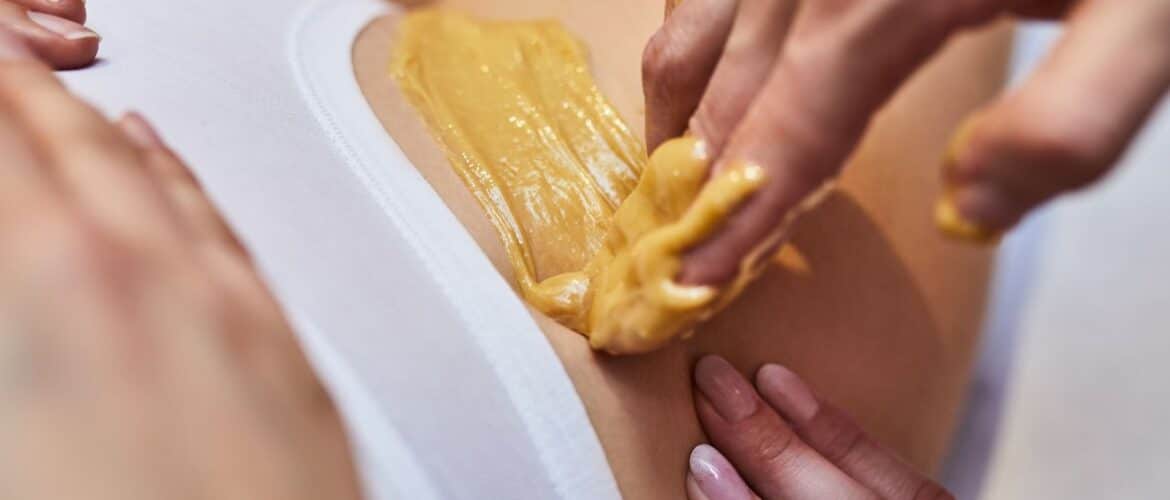
Brazilian waxing delivers smooth, long-lasting results that outperform shaving and depilatory creams. Your individual hair type, growth cycle, and skin sensitivity create unique scheduling needs that affect both comfort and appearance. A brazilian wax frequency calculator helps you avoid booking too early or waiting too long between appointments. The right timing maximizes smoothness while minimizing irritation, ingrown hairs, and wasted sessions.
Key Takeaways:
- Brazilian waxing accounts for approximately 62.5% of professional waxing demand, making it the most requested salon hair removal service
- Hair thickness and growth speed determine whether you need appointments every 3-4 weeks or can extend to 5-6 weeks between sessions
- First-time waxers should schedule 7-14 days before major events, while experienced clients can book 2-3 days before travel
- Environmental factors like Las Vegas heat and dryness require adjusted aftercare strategies including increased hydration and sun avoidance
- Hard wax creates less skin irritation than soft wax, making it the preferred method for Brazilian services in sensitive areas
What Is a Brazilian Wax and How Does It Differ from Other Waxes?
A Brazilian wax removes all pubic hair from front to back, including the labia and perianal area. This comprehensive approach differs from bikini waxing, which only removes hair visible outside standard swimsuit lines. Brazilian services create maximum smoothness and eliminate visible hair during exposure-heavy activities like swimming, intimate moments, and wearing form-fitting clothing. The procedure requires professional training because it targets sensitive skin areas that demand precision technique and appropriate wax formulations.
What Areas Does a Brazilian Wax Cover?
Brazilian waxing addresses the entire pubic region including the mons pubis, labia majora, labia minora, and perianal area. Most specialists remove hair completely, though clients may request a small decorative strip or triangle if preferred. The service requires positioning changes during the appointment to ensure thorough hair removal from all angles. Coverage extends significantly beyond bikini line services, which only address the area immediately adjacent to underwear edges.
How Does Brazilian Waxing Compare to Bikini and Other Wax Services?
Brazilian waxing represents approximately 61% of all professional waxing searches, according to marketplace data. Classic bikini waxing accounts for roughly 25% of consumer preference among women seeking hair removal services. Research indicates that 64.3% of women prefer Brazilian waxing when given service options, while only 16% of women overall use professional waxing as their primary removal method. The preference for Brazilian services reflects demand for thorough results that last longer than shaving alternatives.
What Are the Differences Between Hard Wax and Soft Wax?
Hard wax adheres primarily to hair rather than skin, making it ideal for sensitive areas like the Brazilian zone. Hard wax formulations shrink-wrap around individual hairs and remove them from the follicle with minimal skin contact. Soft wax covers larger areas efficiently and works well for legs, arms, and back treatments. However, soft wax creates more skin pull, increasing irritation risk and discomfort during Brazilian services where tissue sensitivity is highest.
Why Does Hair Type Matter for Brazilian Wax Frequency?
Hair type determines regrowth speed, density, and the optimal interval between waxing appointments. Coarse, thick hair grows faster and becomes visible sooner than fine, sparse hair after removal. Your hair type waxing schedule should reflect these biological differences to maintain consistent smoothness without overbooking or waiting too long. Ignoring hair characteristics leads to poorly timed appointments that either remove hair too short to grip or allow excessive regrowth.
How Does Hair Thickness Affect Regrowth Speed?
Thicker hair follicles produce visible stubble faster than fine hair after waxing removes the hair shaft. Coarse hair typically becomes noticeable within three weeks, while fine hair may remain smooth for five to six weeks. Dense growth patterns also accelerate the appearance of regrowth because more follicles are cycling into active growth simultaneously. Thin or sparse hair allows longer intervals between appointments without compromising appearance quality.
How Does Skin Sensitivity Influence Waxing Intervals?
Sensitive skin requires longer recovery periods between waxing sessions to prevent cumulative irritation and inflammation. Frequent appointments for reactive skin can trigger persistent redness, bumps, and ingrown hairs that compromise results. Specialized approaches for sensitive skin include gentler wax formulations and extended scheduling intervals that allow complete healing. Skin sensitivity also increases with environmental factors like heat, friction, and UV exposure, common in Las Vegas climates.
What Growth Cycle Factors Should Be Considered?
Hair follicles cycle through active growth, transition, and resting phases that affect waxing success rates and timing. Waiting 4-6 weeks between appointments ensures enough follicles enter active growth to justify the service investment. Hair must reach one-quarter inch length for standard wax to grip effectively and remove strands from the root. Some premium specialists prefer one-half inch hair length to achieve maximum follicle extraction and longer-lasting smoothness.
When Should You Schedule Your Brazilian Wax?
Occasion timing drives booking decisions more than arbitrary calendar intervals for most waxing clients. Major events like vacations, weddings, and swimsuit activities create specific deadlines that require backward planning from the event date. Scheduling too close to an event risks visible irritation, while booking too early allows regrowth before the occasion. Pre-vacation Brazilian wax timing requires balancing skin recovery with hair removal durability to optimize appearance during travel.
How Does Occasion Timing Impact Booking?
Event-driven appointments prioritize appearance readiness over routine maintenance cycles when scheduling conflicts arise. Vacations, beach trips, and intimate occasions create hard deadlines that override standard frequency recommendations if necessary. Most clients book waxing services specifically around body-exposure events rather than maintaining year-round regular schedules. Understanding occasion priorities helps providers recommend appropriate timing buffers that account for skin type and experience level.
What Is the Optimal Waxing Window Before Travel or Events?
Regular waxers should book Brazilian appointments 2-3 days before departure to allow minor redness to subside completely. This window provides smooth results that last through typical week-long vacations without visible regrowth. Booking too far in advance wastes the smoothness window, while same-day appointments risk irritation during travel. The 2-3 day buffer balances post-wax healing with maximum result duration for most skin types and hair densities.
How Should First-Time and Sensitive Skin Users Plan Their Schedule?
First-time waxers need 7-14 days before major trips to assess individual skin reactions and irritation patterns. First-timer experiences vary significantly, and extra buffer time prevents appearance emergencies during important events. Sensitive skin users should schedule 5-7 days before exposure-heavy events to allow complete inflammation resolution. This extended timeline accommodates slower healing while still delivering smooth results when appearance matters most.
How Can You Use Hair Type to Calculate Brazilian Wax Frequency?
Building a personalized waxing plan starts with honest assessment of your hair thickness, growth speed, and density. Coarse hair with fast regrowth demands more frequent appointments than fine hair with slow cycles to maintain equivalent smoothness. Brazilian wax frequency calculations balance biological hair patterns with lifestyle needs and budget constraints. The goal is consistent results without overbooking appointments before sufficient regrowth justifies the service investment.
What Is the Recommended Waxing Cadence for Coarse Hair?
Coarse hair requires appointments every 3-4 weeks to prevent visible stubble from compromising smoothness between sessions. Dense, thick growth becomes noticeable faster than fine hair, shortening the effective window after each waxing service. Scheduling closer to the three-week mark maintains optimal appearance for clients with active lifestyles and frequent body-exposure occasions. The 4-6 week maintenance window works well for coarse hair when appointments land at the shorter end of that range.
How Often Should Medium and Fine Hair Types Wax?
Medium hair thickness supports a four-week schedule that balances regrowth management with cost efficiency and skin recovery. Fine or slow-growing hair extends intervals to 5-6 weeks without sacrificing appearance quality or comfort. Sparse hair patterns allow even longer gaps because individual regrowth strands remain less visible than dense growth. Experienced waxers learn their specific patterns and adjust frequency accordingly rather than following rigid universal schedules.
What Role Does User Experience Play in Frequency Planning?
Experienced waxers achieve better follicle synchronization over time, allowing more predictable scheduling intervals between appointments. European Wax Center recommends waxing every 3-4 weeks as a baseline for most hair types. First-timers often need shorter initial intervals to capture hairs in different growth phases before establishing consistent cycles. Multiple sessions gradually synchronize follicles, improving both result quality and the ability to predict optimal rebooking windows.
How Do Seasonal and Environmental Factors Affect Brazilian Wax Timing?
Seasonal changes influence both waxing demand and post-treatment aftercare requirements throughout the year. Summer heat, humidity, and increased body exposure create different challenges than winter dryness and covered skin. Environmental factors affect wax application performance, skin sensitivity, and healing speed after hair removal. Brazilian waxing tips Las Vegas clients differ from coastal or northern climate recommendations due to extreme heat and low humidity.
How Should You Adjust Wax Frequency for Swimsuit Season?
Swimsuit season drives increased waxing appointments as 72.3% of women cite looking better in swimwear as their primary hair removal motivation. Spring appointments should start early enough to synchronize growth cycles before peak beach and pool activities begin. Maintaining 3-4 week intervals throughout summer prevents gaps in smoothness during high-exposure months when appearance matters most. Advanced planning for vacation clusters requires booking multiple sessions in sequence rather than waiting until immediately before each trip.
What Impact Do Heat, Humidity, and Dryness Have on Aftercare?
High humidity makes wax sticky and difficult to remove cleanly during application, potentially affecting result quality. Low humidity causes wax to dry too quickly and become brittle, increasing breakage and incomplete hair removal. Heat, sweat, friction, and UV exposure worsen irritation after waxing in hot climates like Las Vegas summers. Dryness increases sensitivity risk in desert climates, demanding enhanced hydration protocols and sun avoidance during the healing window.
How Does Climate-Specific Advice Change Scheduling?
Las Vegas providers emphasize hydration and sun avoidance due to the desert climate’s dehydrating effects on freshly waxed skin. Booking appointments in the evening allows overnight recovery before sun exposure becomes unavoidable in outdoor-focused lifestyles. Hot-dry climates require different aftercare than hot-humid environments, where sweat and stickiness dominate post-wax concerns. Climate-aware scheduling adjusts both appointment timing and preparation protocols to match environmental stress patterns affecting skin recovery.
What Are the Best Practices for Pre-Vacation Brazilian Wax Preparation?
Pre-vacation waxing transforms generic scheduling into event-specific planning that maximizes appearance during travel and leisure activities. Vacation-ready skin requires coordinating hair length, appointment timing, and aftercare with departure dates and destination climate. Multiple pre-trip sessions improve results more than single appointments because follicle synchronization develops over time. Proper vacation preparation prevents appearance emergencies and allows confident enjoyment of beaches, pools, and intimate occasions during travel.
How Many Days Before Travel Should You Wax?
Book your wax 2-3 days before trips for regular users with predictable skin reactions and recovery patterns. Urban providers advise waxing at least 2-3 days before departure to allow post-treatment redness to resolve completely. First-time users need different timing considerations that account for unknown skin reactions and potential adjustment periods. The 2-3 day buffer creates optimal smoothness at departure while preventing visible irritation during early vacation days.
What Aftercare Steps Minimize Irritation?
Proper aftercare prevents ingrown hairs and irritation that can ruin vacation appearance and comfort. Avoid hot showers, tight clothing, and friction-causing activities for 24-48 hours after waxing services. Apply soothing, fragrance-free moisturizers to freshly waxed skin and avoid sun exposure during initial healing. Gentle exfoliation starting three days post-wax prevents ingrown hairs from developing before and during vacation periods.
How Can You Synchronize Waxing Sessions for Optimal Results?
Scheduling two to three sessions before major vacations synchronizes hair growth cycles and improves final result quality. Early sessions capture hairs in different growth phases, while subsequent appointments remove newly activated follicles for comprehensive coverage. Consistent intervals between pre-vacation appointments train follicles to cycle together, creating more predictable regrowth patterns. Synchronized growth allows accurate scheduling for future trips without guessing when hair will become visible again.
How Does the Price and Wax Method Influence Brazilian Wax Scheduling?
Pricing structures affect how frequently clients can afford to maintain Brazilian waxing schedules throughout the year. Service tiering based on hair density, technique, or product quality creates options for different budgets and priorities. Understanding price-to-value relationships helps clients choose between budget maintenance and premium experiences based on occasion importance. Wax method selection impacts both immediate cost and long-term scheduling because hard wax reduces irritation that might otherwise extend recovery intervals.
Why Do Prices Differ Between Hard Wax and Soft Wax Services?
Brazilian wax services average USD 59 nationally, with a price range spanning USD 43-124 depending on location and specialist tier. Hard wax requires specialized training and premium formulations that justify higher service fees than soft wax alternatives. Technique-intensive services command premium pricing because estheticians invest more time and skill per appointment. Price differences reflect not just material costs but also comfort levels, result quality, and skin-protection benefits that hard wax delivers.
How Does Service Tiering Affect Frequency Recommendations?
Specialized providers charge USD 75/85/95 for Brazilian service tiers based on hair density and removal complexity. Premium tiers accommodate coarse or dense growth that requires extra time, skill, and product to achieve optimal results. Budget tiers work well for fine or sparse hair that removes easily, allowing more frequent appointments within fixed budgets. Service tiering lets clients match investment to hair difficulty rather than paying premium rates for simple maintenance sessions.
What Are Common Add-Ons and Bundles with Brazilian Waxing?
Underarm waxing frequently bundles with Brazilian services for comprehensive body-hair removal during single appointments. Happy trail and inner thigh add-ons extend smoothness beyond the core Brazilian zone for clients seeking maximum coverage. Partial Brazilian options reduce cost while still addressing primary visibility concerns during swimsuit or intimate activities. Bundling services saves time and often costs less than booking separate appointments for different body zones.
Integrating Hair Type, Timing, and Environment for Your Ideal Schedule
Your personalized waxing plan emerges from the intersection of hair biology, occasion deadlines, and environmental conditions affecting skin recovery. Coarse hair with 3-4 week regrowth cycles requires different planning than fine hair extending to 5-6 week intervals. Las Vegas clients must account for extreme heat and dryness when scheduling both appointments and post-wax activities. Integrating these variables creates a scheduling system that maintains consistent smoothness while avoiding irritation and wasted appointments.
SOS Wax & Skincare serves Las Vegas with seven convenient locations and licensed estheticians who understand desert climate challenges. Our Gold Winner recognition in the 2025 Las Vegas Review-Journal “Best of Las Vegas” awards reflects our commitment to accessible, professional waxing services. Whether you need regular maintenance or pre-vacation preparation, our team creates customized scheduling recommendations based on your specific hair patterns and lifestyle needs.
Ready to Build Your Perfect Waxing Schedule? SOS Wax & Skincare Is Here to Help
Now that you know how your hair type shapes your ideal Brazilian wax frequency, the next step is putting that plan into action with a team you can trust. At SOS Wax & Skincare, our licensed estheticians don’t just wax — they help you figure out the right cadence for your hair pattern, lifestyle, and Las Vegas climate so every appointment delivers the smooth, confident results you’re after.
As a Gold Winner in the 2025 Las Vegas Review-Journal “Best of Las Vegas” awards, we’ve built our reputation on making professional waxing accessible, comfortable, and worth coming back for — whether you’re a first-timer or a loyal regular keeping up with your 4-week routine. Book your appointment at any of our seven Las Vegas locations and experience the difference professional guidance makes in achieving consistently smooth, confident results.

Genet Nemeth is the owner of SOS WAX and Skincare in Las Vegas. She loves talking about skincare and waxing with employees and clients. When not in one of her shops, you can find Genet enjoying a matcha tea ice cream cone at her favorite café.