
Your Pre-Vacation Wax Checklist: Brazilian, Bikini, or Both?
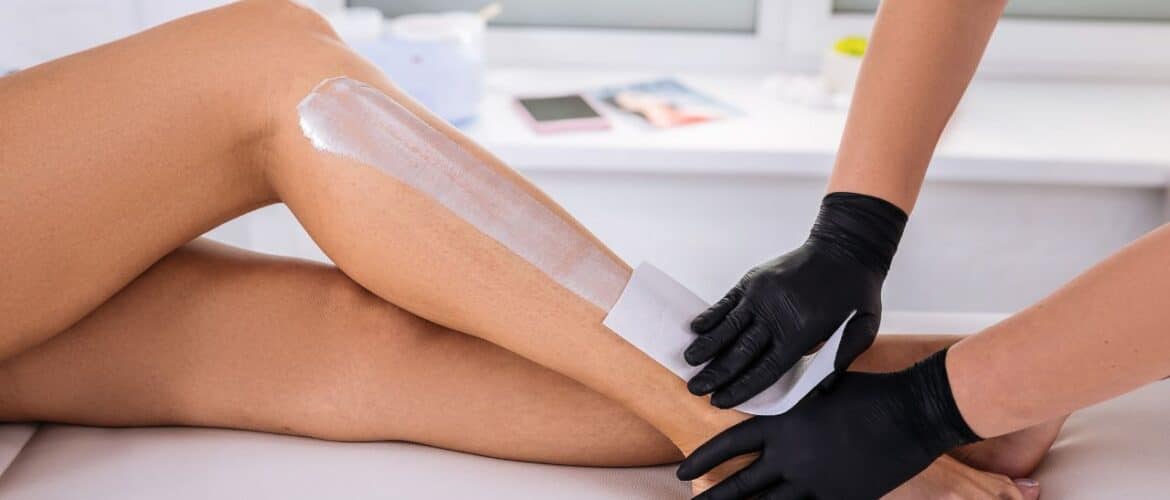
Planning a pre-vacation wax requires choosing the right service type, timing, and aftercare strategy. Brazilian and bikini waxing differ in coverage area, maintenance needs, and how they respond to heat, humidity, and travel schedules. Understanding these distinctions helps you book confidently and avoid irritation during beach weekends, pool parties, and tight-clothing occasions.
Key Takeaways:
- Book your pre-vacation wax 2 to 3 days before departure to allow redness to settle while maintaining smoothness
- Brazilian waxing accounts for approximately 62.5% of salon wax demand, while bikini wax represents 25% of services
- Schedule waxing every 4 to 6 weeks based on hair density and regrowth speed for optimal consistency
- High humidity makes wax sticky and difficult to remove, while low humidity causes wax to dry too quickly
- Hard wax adheres primarily to hair rather than skin, making it better for sensitive bikini and Brazilian areas
What Are the Differences Between Brazilian and Bikini Waxing?
Brazilian waxing removes all or nearly all pubic hair, while bikini waxing clears only hair visible outside standard swimsuit lines. Brazilian waxing dominates high-intent salon searches at 61% of waxing queries in 2024. Bikini services remain essential for first-time clients and maintenance-focused consumers seeking less extensive removal.
Preference data shows 64.3% of women choose Brazilian waxing, while 25% prefer classic bikini line services. The remaining 12.5% select combined or bundled packages, including partial Brazilian options. Brazilian is the leading salon service, but bikini waxing holds strong appeal for conservative buyers and newcomers.
How Does Each Wax Type Affect Appearance and Maintenance?
Brazilian waxing creates a fully smooth finish lasting longer than partial removal, but requires consistent regrowth management. Maintenance frequency depends on hair density, with coarse or fast-growing hair requiring appointments closer to every four weeks. Finer or slower regrowth allows scheduling toward five or six weeks between sessions.
Bikini waxing focuses on tidying the visible perimeter, making it faster and less invasive. This appeals to clients prioritizing comfort over complete coverage and those building tolerance before trying Brazilian styles. Motivation surveys show 83.2% of women cite feeling cleaner as their primary reason for pubic hair removal services.
What Are Combined or Bundle Waxing Services?
Combined services pair Brazilian or bikini waxing with complementary areas like underarms, happy trail, or ingrown-hair treatment. An underarm add-on with Brazilian waxing costs approximately USD 25, while partial Brazilian upgrades add about USD 5. These bundles increase appointment value and synchronize maintenance schedules across multiple body zones for vacation readiness.
Service share estimates suggest Brazilian commands 62.5% of demand, bikini holds 25%, and combined packages represent 12.5%. Bundle pricing encourages clients to consolidate grooming tasks into single appointments, improving convenience and result consistency. Providers benefit from higher transaction values and improved retention through multi-service scheduling.
Why Is Timing Crucial for Pre-Vacation Waxing?
Timing determines whether you experience smooth, calm skin during travel or deal with redness poolside. Waxing too close to departure leaves visible irritation during your trip, while booking too early allows regrowth before you need smoothness. The ideal window balances recovery time with maximum hair-free duration for your event or vacation dates.
Heat, sweat, friction, and UV exposure can worsen irritation if the skin has not fully settled. First-time clients and those with sensitive skin need longer recovery buffers than experienced waxers. Understanding your healing pattern prevents scheduling mistakes that compromise comfort and appearance during high-visibility occasions.
When Should You Book Your Wax Before Travel or Events?
Most providers recommend booking your pre-vacation wax 2 to 3 days before departure for regular clients with normal sensitivity. This window allows redness to fade while keeping you smooth throughout early travel days and beach or pool activities. SOS Wax LV and Urban Waxx both advise this 2-to-3-day interval as the standard pre-travel guideline.
First-time or sensitive clients need 1 to 2 weeks of lead time before major trips to account for unpredictable reactions. Scheduling two to three sessions before a major vacation synchronizes growth cycles and improves final-session results. Advanced planning reduces inflammation risk, coinciding with swimsuit season or tight-clothing events.
How Does Skin Sensitivity Influence Scheduling?
Sensitive skin requires extended recovery to avoid visible redness during high-exposure activities like swimming or sunbathing. Booking 5 to 7 days before heavy water and sun exposure gives inflammation time to resolve completely. Clients with a sensitivity history should avoid scheduling immediately before beach vacations or outdoor festivals.
Sensitivity also affects aftercare compliance, as irritated areas demand hydration, loose clothing, and sun avoidance for several days. Ignoring these requirements in hot or humid climates increases prolonged discomfort and visible bumps. Proper scheduling accounts for your skin’s recovery speed and environmental conditions during travel.
How Often Should You Wax Based on Hair Type and Growth Cycle?
Waxing frequency depends on regrowth speed, hair density, and desired smoothness rather than on arbitrary intervals. Most providers recommend 4 to 6 weeks between sessions to ensure adequate hair length for effective removal. European Wax Center advises waxing every 3 to 4 weeks as a baseline cadence for maintaining smooth results.
Hair texture influences optimal interval: coarse or dense growth requires appointments closer to 4 weeks, while finer hair extends toward 5 or 6 weeks. The 4-to-6-week maintenance window balances hair grip requirements with skin recovery across growth patterns. Monthly frequency accounts for 24.6% of removal behavior, confirming four-week cycles match real consumer habits.
What Is the Recommended Waxing Frequency for Different Hair Textures?
Coarse hair grows visibly faster and requires appointments closer to four weeks for consistent smoothness. Dense growth patterns demand more frequent sessions because regrowth becomes noticeable sooner. Clients with thick, dark hair should book predictably to avoid stubble disrupting planned travel.
Fine or slower-growing hair allows extending maintenance toward five or six weeks without visible regrowth, compromising appearance. This longer interval reduces annual appointment counts and service costs while maintaining adequate smoothness. Growth-cycle matching improves satisfaction by preventing unnecessarily frequent bookings that irritate skin.
How Can a Frequency Calculator Improve Your Waxing Routine?
A frequency calculator accounts for hair length targets, last wax date, hair density, and sensitivity history to recommend personalized scheduling. Most providers want hair around one-quarter inch for effective removal, though some specialists prefer one-half inch for optimal grip. Calculators help clients avoid booking too early when hair is too short or too late when regrowth has appeared.
Inputting trip dates, hair texture, and prior session timing generates custom appointment windows, maximizing smoothness during planned events. This tool is especially useful for first-timers lacking experience judging regrowth speed. Accurate frequency planning reduces timing errors, improves retention, and increases satisfaction with waxing as a long-term solution.
How Does Seasonal Swimsuit Timing Impact Waxing Decisions?
Swimsuit season drives major demand spikes because 72.3% of women cite looking better in swimwear as motivation for pubic hair removal. Summer months increase body exposure through beach trips, pool parties, and outdoor festivals, where smoothness becomes more visible. Seasonal planning involves starting recurring appointments early to synchronize growth cycles before peak exposure occasions.
Heat, sweat, friction, and UV exposure during summer activities can worsen irritation if aftercare is neglected or timing is poor. Summer skin prep requires scheduling waxing correctly and managing environmental stressors that compromise comfort. Effective seasonal strategies combine appointment timing, climate-aware aftercare, and realistic expectations about how heat and humidity affect waxed skin.
When Should You Start Waxing for Swimsuit Season?
Starting waxing appointments in early spring allows growth cycles to stabilize before peak summer travel and swimsuit occasions. Scheduling two to three sessions before major beach trips synchronizes regrowth timing and improves final pre-vacation results. Early-season planning prevents last-minute availability problems and ensures skin has acclimated before high-visibility events.
Late starters should book at least 2 to 3 days before their first major pool or beach outing to allow redness to settle. First-time summer waxers benefit from trial sessions 1 to 2 weeks before critical events to test skin response. Seasonal demand peaks in late spring and early summer, making advance booking essential for securing preferred times.
How to Maintain Smoothness During Summer Activities?
Maintaining smoothness during summer requires a consistent 3-to-4-week appointment cadence combined with sweat and friction management after each session. Loose clothing and reduced heat exposure for the first few days post-wax prevent irritation from worsening during hot weather. Hydration and sun avoidance protect freshly waxed skin from inflammation that can ruin beach readiness.
Recurring summer maintenance appointments prevent regrowth from disrupting planned activities and ensure you stay smooth throughout the entire season. Bundling underarm or leg waxing with bikini or Brazilian waxing consolidates grooming tasks and reduces appointment time. Effective summer strategies treat waxing as ongoing seasonal preparation rather than isolated pre-trip events.
How Do Environmental Factors Like Climate Affect Waxing Results?
Climate conditions influence both waxing process quality and post-service recovery through humidity, temperature, and environmental stressor interactions. High humidity makes wax sticky and difficult to remove cleanly, while low humidity causes wax to dry too quickly and become brittle. Understanding these effects helps you choose appropriate aftercare based on your travel destination’s weather patterns.
Heat, sweat, friction, and UV exposure can worsen irritation in all climates, but specific challenges differ between hot-dry and hot-humid environments. Las Vegas represents a hot-dry tourism setting where hydration and sun avoidance matter most, while coastal destinations require sweat and stickiness management. Climate-aware planning improves comfort and reduces prolonged inflammation, disrupting vacation smoothness.
What Are Key Differences Between Hot-Dry and Hot-Humid Climates?
Hot-dry climates like Las Vegas demand aggressive hydration and sun protection because dryness increases sensitivity and slows recovery. Hydration in Las Vegas heat prevents waxed skin from becoming overly irritated by low-humidity conditions that strip moisture. Desert environments also intensify UV exposure, making post-wax sun avoidance critical for preventing burns and hyperpigmentation.
Hot-humid climates create problems with sweat, stickiness, and prolonged inflammation due to moisture retention. High humidity slows redness resolution and increases friction-related bumps during beach or pool activities. Coastal destinations require loose clothing, frequent rinsing, and reduced physical friction to prevent sweat and saltwater from irritating waxed skin.
How Can You Manage Irritation and Aftercare in Various Weather?
Managing irritation in hot-dry climates requires frequent moisturizing, increased water intake, and strict sun avoidance for at least 48 hours after waxing. Dry air strips natural skin moisture, making hydration products essential for maintaining comfort and preventing excessive flaking. UV exposure on waxed skin causes burns more easily, demanding diligent sunscreen application and shade-seeking behavior.
Hot-humid environments need sweat control, loose breathable clothing, and reduced friction from tight swimwear after waxing. Rinsing off saltwater and chlorine promptly prevents chemical irritation from compounding post-wax sensitivity. Climate-specific aftercare transforms generic waxing advice into practical, location-aware strategies that protect your investment throughout vacation periods.
What Are the Key Differences Between Hard Wax and Soft Wax?
Hard wax adheres primarily to hair rather than skin, making it gentler and more suitable for sensitive or small areas. Soft wax is more efficient for larger areas like legs and back, but pulls more skin and increases the risk. The difference between hard wax and soft wax explains why similar-sounding services carry different price points and produce varying comfort levels.
Method selection affects pain, price, and efficiency across different body zones, with premium providers favoring hard wax for bikini and Brazilian services. Soft wax works faster on large zones and often costs less per area, but creates more residue and skin pull. Understanding construction differences helps you evaluate pricing transparency and choose providers whose methods align with your sensitivity level.
Which Wax Method Is Best for Sensitive or Small Areas?
Hard wax is better for smaller and more sensitive areas, including the bikini line, Brazilian zones, face, and underarms, because it grips hair without pulling skin. This selectivity reduces pain and skin trauma compared to soft wax, which bonds to both hair and surrounding tissue. Sensitive-area specialists typically use hard wax exclusively for intimate zones to minimize discomfort.
Soft wax is more efficient for larger areas but can be more painful due to increased skin contact. Legs, arms, and back respond well to soft wax because efficiency matters more than gentleness across expansive surfaces. Choosing the right wax type for each body zone optimizes both comfort and appointment duration, allowing bundled services to remain time-efficient.
How Does Wax Type Influence Pain, Price, and Efficiency?
Hard wax is less painful, gentler on skin, and produces less residue, but is slower and often pricier than soft wax. Premium positioning based on hard-wax use justifies higher service fees because clients experience reduced discomfort and cleaner finishes. Brazil Appeal Waxing charges USD 75, USD 85, or USD 95 for Brazilian tiers based on hair density, reflecting extra time and precision required.
Soft wax is faster on large zones and often carries a lower unit cost, but increases skin pull and irritation risk. National pricing averages show bikini waxing ranging from USD 32 to USD 63 and Brazilian waxing from USD 43 to USD 124. Method choice directly influences where a provider falls within these ranges, with hard-wax specialists commanding premium pricing.
How Can You Optimize Pre-Vacation Waxing in Specific Micro-Markets Like Las Vegas?
Las Vegas behaves like a high-intent pre-vacation market where timing and irritation prevention matter more than broad regional averages. The city’s hot-dry climate, tourism-driven scheduling, and swimsuit-heavy occasions demand specialized guidance beyond generic waxing advice. Bikini waxing Las Vegas providers emphasize hydration, sun avoidance, and departure-window precision because visitors face immediate pool and beach exposure.
Desert environments intensify UV exposure and reduce natural skin moisture, making aftercare compliance critical for maintaining smooth results throughout vacation stays. Las Vegas-specific strategies account for poolside lounging, tight evening clothing, and prolonged outdoor activities that stress freshly waxed skin. Climate-aware planning transforms standard pre-vacation wax timing into a location-optimized system protecting both appearance and comfort.
What Are The Best Practices for Waxing in Hot-Dry Tourism Settings?
Hot-dry tourism settings require booking waxing 2 to 3 days before travel to allow redness to settle before intense sun and pool exposure. Providers recommend this window specifically for Las Vegas and similar desert destinations where low humidity and high UV create harsher conditions. Scheduling earlier than 2 days before departure risks visible irritation poolside, while booking too far in advance allows regrowth.
Hydration becomes the primary aftercare focus in hot-dry climates because moisture loss accelerates irritation. Drinking extra water, applying hydrating products, and avoiding prolonged sun exposure for at least 48 hours protect waxed skin from dryness-related inflammation. Desert-specific guidance acknowledges that standard aftercare advice underestimates the combined stress of low humidity, high heat, and intense UV.
How Should Hydration and Sun Exposure Be Managed Before Travel?
Hydration management starts several days before waxing and continues throughout your trip to maintain skin resilience against environmental stress. Drinking adequate water and using moisture-rich products prevent dryness from compounding post-wax sensitivity in hot-dry destinations. Internal and external hydration work together to support faster healing.
Sun exposure should be minimized for at least 48 hours after waxing to prevent burns and hyperpigmentation on freshly treated skin. UV protection through sunscreen, shade-seeking, and avoiding midday sun becomes even more critical in desert tourism settings where reflection and altitude intensify exposure. Managing these factors ensures your pre-vacation wax delivers smooth, comfortable results rather than painful regrets during visible moments of your trip.
Your Pre-Vacation Wax Checklist: Integrating Type, Timing, Frequency, and Care
Successful pre-vacation waxing requires coordinating service type, appointment timing, frequency planning, and climate-aware aftercare into a single integrated strategy. Choosing between Brazilian and bikini waxing depends on desired coverage, pain tolerance, and maintenance commitment, with Brazilian dominating high-intent demand at 62.5% of salon services. Timing your appointment 2 to 3 days before departure balances recovery needs with maximum smoothness during travel, while first-timers should allow 1 to 2 weeks for unpredictable reactions.
Frequency planning based on hair texture ensures you book at the right 4-to-6-week interval rather than arbitrary monthly cycles. Environmental factors like heat, humidity, and UV exposure demand location-specific aftercare, with hot-dry climates requiring hydration focus and hot-humid settings needing sweat and friction control. Understanding waxing advantages over shaving and considering services for all clients helps you make informed decisions that improve both immediate results and long-term satisfaction.
Integrating these variables transforms generic grooming advice into a practical, personalized pre-vacation checklist that protects your investment and confidence. Climate-aware planning, method selection, and timing precision ensure your waxing delivers smooth, comfortable results throughout your entire trip. Proper preparation means you arrive poolside or beach-ready without redness, regrowth, or irritation.
SOS Wax & Skincare combines award-winning expertise with accessible pricing to help you prepare confidently for any vacation or event. Our licensed estheticians understand how timing, climate, and individual skin sensitivity influence results, delivering smooth, long-lasting outcomes you can trust.
Book Your Pre-Vacation Wax at SOS Wax & Skincare – Las Vegas’s #1 Rated Waxing Destination
You’ve done the research. Now it’s time to book with a team you can trust.
SOS Wax & Skincare is voted Best Waxing in Las Vegas by the Las Vegas Review-Journal — four years running — and our licensed estheticians know exactly how to prep your skin for vacation, whether you’re headed poolside at a resort, hitting the beach, or spending every evening in something that shows a little more skin.
New clients get a $30 Brazilian wax to start. Regulars love our 4-week maintenance pricing to stay smooth all season long. With 7 Las Vegas and Henderson locations, extended hours, and 24/7 online booking, there’s no reason to wait. Schedule your appointment 2–3 days before your trip and arrive vacation-ready. Book your appointment now!

Genet Nemeth is the owner of SOS WAX and Skincare in Las Vegas. She loves talking about skincare and waxing with employees and clients. When not in one of her shops, you can find Genet enjoying a matcha tea ice cream cone at her favorite café.