
Sensitive Bikini Area? How to Choose Between Hard Wax, Soft Wax, and Sugar
Key Takeaways:
- Hard wax adheres only to hair and reduces skin irritation by 54% compared to soft wax.
- Soft wax removes the top layer of dead skin cells along with hair, increasing pain and redness.
- Sugaring removes hair in the direction of natural growth, reducing ingrown hairs more effectively than traditional waxing.
- Redness from hard wax subsides within 12 hours, compared with up to 36 hours with soft wax.
- Bikini waxing costs range from $38 to $50, with sugaring services typically $5 to $10 more per area.
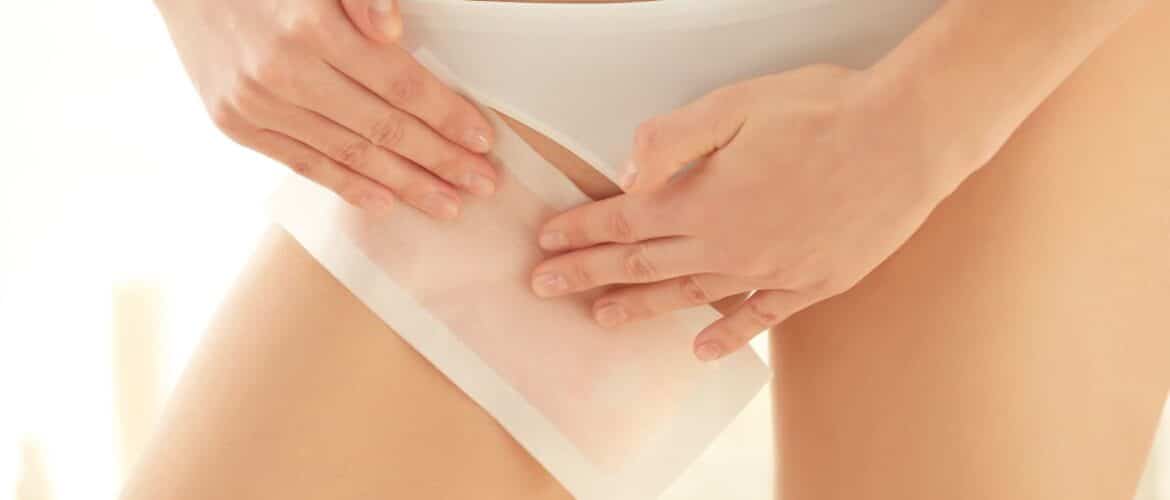
Selecting the right wax for bikini area sensitive skin directly impacts irritation levels, pain, and ingrown hair formation. Understanding how each wax type adheres to skin and hair helps you make an informed decision based on sensitivity. The bikini area contains delicate tissue that requires careful product selection to avoid damage and discomfort. Each wax type offers distinct benefits and drawbacks that affect both immediate comfort and long-term skin health.
What Are the Three Main Types of Bikini Waxing?
Hard wax, soft wax, and sugar waxing represent three distinct hair removal methods with different adhesion properties and application techniques. Each method removes hair from the root but interacts with skin in fundamentally different ways. The global hair removal wax market is projected to grow from $10.78 billion in 2025 to $16.31 billion by 2031, reflecting increasing consumer demand for semi-permanent solutions that prioritize skin health.
Soft Wax: What It Is and How It Works
Soft wax adheres to both the hair follicle and the stratum corneum, the outermost layer of skin. A thin layer is applied in the direction of hair growth and removed using cloth strips pulled in the opposite direction. Soft wax holds a 52.8% share of global market revenue with a projected 6.8% CAGR through 2033, reaching $10.6 billion. This market dominance stems from its efficiency on large body areas like legs, back, and arms.
Best for: Large surface areas with less sensitive skin, clients prioritizing speed and cost-efficiency.
Investment: Upper lip $15-$20, underarms $25-$33, bikini $38-$50, full leg $60-$75.
Outcomes: Fast hair removal with 3-4 weeks of smoothness, but higher irritation risk for bikini area sensitive skin.
Hard Wax: What Makes It Different
Hard wax adheres only to the hair, not the skin, making it ideal for sensitive areas. The wax is applied warm in a thicker layer and hardens as it cools. Hard wax represents approximately 35% of the market but is experiencing rapid growth in premium salon services. It is removed without strips by lifting the edge and pulling against the hair growth direction.
Best for: Sensitive areas, including bikini, face, underarms; clients with thin or reactive skin; those with an ingrown hair history.
Investment: $5-$10 more per service than soft wax due to specialized technique and premium formulations.
Outcomes: 54% less skin irritation than soft wax, redness subsides within 12 hours, and allows safe reapplication for stray hairs.
Sugar Waxing: How Natural Ingredients Compare
Sugaring paste is made from sugar, lemon, and water, creating a completely natural hair removal solution. Sugar waxing benefits include water-soluble cleanup and reduced ingrown hair formation compared to traditional waxing. The paste is applied against the direction of hair growth and removed in the direction of growth. Sugar waxing holds about 12.2% of the market but is growing due to demand for organic products.
Best for: Clients with chemical sensitivities, natural product preference, ingrown hair-prone skin, or those seeking the gentlest option.
Investment: $5-$10 more per body part than traditional waxing due to specialized technique requirements.
Outcomes: Lowest ingrown hair risk, natural ingredients, water-soluble cleanup, mild exfoliation without harsh chemicals.
Why Does Wax Choice Matter for Bikini Area Sensitive Skin?
Wax selection directly determines the level of skin trauma, inflammation, and post-treatment irritation experienced during bikini hair removal. The bikini area contains thinner, more delicate skin than other body regions, making it particularly vulnerable to improper waxing techniques. Different wax types exert varying degrees of mechanical stress on the stratum corneum and underlying dermis.
Soft wax removes the top layer of dead skin cells along with hair, which explains increased pain levels. Hard wax reduces skin irritation by 54% compared to soft wax by adhering exclusively to hair shafts. This selective adhesion minimizes trauma to the protective skin barrier during hair removal. Choosing the wrong wax can lead to skin lifting, prolonged redness, and increased infection risk.
What Are the Risks of Ingrown Hairs and Skin Damage?
Pseudofolliculitis barbae is the medical term for ingrown hairs that occur when hair removed curls back into the skin. Shaving leaves a sharp hair edge that curls back into the skin, causing ingrown hairs and razor burn. Traditional waxing can snap hair below the skin surface, leading to inflammation as the blunt hair attempts to regrow.
Waxing is contraindicated when using retinoid creams that thin the skin and increase the risk of skin lifting. Waxing is not recommended for sunburned or irritated skin, as damaged tissue cannot withstand mechanical stress. Waxing is not advised for those with circulatory problems or diabetes due to impaired wound healing. Understanding the dos and don’ts of Brazilian waxing helps minimize complications and ensures optimal results for sensitive skin types.
How Do Application Techniques Differ Among the Three Wax Types?
Application and removal techniques differ significantly among wax types, affecting both efficacy and skin trauma levels. Proper technique ensures complete hair removal while minimizing damage to the protective stratum corneum. Each wax type requires specific temperature control, layer thickness, and directional application for optimal results.
Soft wax is applied in a thin layer in the direction of hair growth using a wooden spatula and removed using cloth or paper strips pulled quickly in the opposite direction of growth. This counter-directional removal creates strong adhesion to both hair and skin, increasing pain and irritation. Soft wax cannot be reapplied to the same area without risking severe irritation and potential skin damage.
Hard wax is applied in a thicker layer, warm, typically between 100-110°F for optimal consistency. The wax cools and hardens on the skin, shrinking around individual hair shafts without bonding to skin tissue. The science behind why hard wax is gentler relates to this selective adhesion that protects the skin barrier.
Sugar paste is applied against the direction of hair growth, which differs from traditional waxing application methods, then removed in the direction of hair growth. This unique directional approach minimizes trauma to the hair follicle and surrounding skin tissue. Sugaring can cause mild irritation if too many skin cells are exfoliated during repeated applications.
Which Wax Causes the Least Pain for Sensitive Bikini Areas?
Pain levels during waxing correlate directly with the degree of skin adhesion and the volume of tissue removed. Different wax types create varying levels of mechanical stress on nerve endings within the dermis. The best wax for sensitive bikini areas balances effective hair removal with minimal tissue trauma.
Hard wax scores 3.0 out of 10 on the irritation scale versus soft wax at 6.5 out of 10. Soft wax has a 7.0 out of 10 risk factor for skin lifting due to its adhesion to live tissue. Hard wax versus soft wax bikini treatments show significant differences in immediate post-treatment comfort and recovery time. The reduced adhesion of hard wax to skin tissue translates directly to lower pain perception during removal.
Hard wax redness subsides within 12 hours, versus soft wax redness lasting up to 36 hours after treatment. This threefold difference in recovery time reflects the degree of trauma inflicted on the protective skin barrier. Learning effective ways to soothe skin after waxing can significantly reduce discomfort and accelerate recovery time.
Hard wax allows for multiple passes over the same area to catch stray hairs without damaging skin. Sugar paste can also be reapplied safely, though excessive passes may cause mild irritation through cumulative exfoliation. This reapplication flexibility makes hard wax and sugar ideal for areas with varied hair growth patterns.
How Does Each Wax Type Prevent or Cause Ingrown Hairs?
Wax selection influences ingrown hair formation through directional removal techniques and the integrity of extracted hair shafts. Hair removed intact from the root with minimal breakage reduces subsequent ingrown hair development. Different wax types apply varying mechanical forces to the hair follicle during extraction.
Sugaring removes hair in the direction of natural growth versus traditional waxing against the grain, reducing follicle trauma. This directional alignment allows hair to slide out of the follicle more easily without breaking below the surface. The sugar paste’s malleable consistency wraps around each hair shaft, creating grip without excessive mechanical stress.
Removing hair against the natural growth direction can snap the shaft below the skin surface, creating a blunt end. This blunt end struggles to penetrate the skin surface during regrowth, curling back into the surrounding tissue instead. Hard wax pulls against the grain but adheres only to hair, minimizing breakage through strong shaft grip.
Soft wax’s strong skin adhesion can create excessive pulling force that snaps hair below the visible surface. Hard wax formulations using pine resin and beeswax create flexible yet strong bonds exclusively with hair shafts. Sugar’s natural composition and lower viscosity allow it to seep into the follicle opening for a secure hair grip. Brazilian wax aftercare focuses on preventing ingrown hairs through proper exfoliation and moisturizing protocols.
What Do Consumer Preferences Show About Wax Selection?
Consumer behavior varies significantly across demographic segments, affecting market demand for specific wax types and service offerings. Age, income level, and social media exposure all influence purchasing decisions and service adoption rates. Understanding these preferences helps both consumers make informed choices and salons optimize their service menus.
Generation Z shows a 72% adoption rate for waxing, heavily influenced by social media trends and convenience. Millennials show a 68% adoption rate, prioritizing a balance between price and effectiveness in hair removal. Generation X shows a 45% adoption rate, often favoring traditional professional services over at-home solutions. Baby Boomers show a 28% adoption rate, representing the lowest demographic engagement with semi-permanent hair removal.
A striking 88% of consumers prioritize skin sensitivity when selecting waxing products or professional services. Ingrown hair prevention ranks second at 82%, reflecting widespread frustration with post-treatment complications from improper technique. Pain tolerance considerations influence 79% of consumers, while price is a factor for 71% of buyers. This hierarchy demonstrates a fundamental shift toward viewing hair removal as a skincare concern rather than purely cosmetic.
How Should You Choose Between Hard Wax, Soft Wax, and Sugar?
Choose hard wax if you have sensitive skin, a history of ingrown hairs, are waxing delicate areas like the bikini zone, or experience prolonged redness from soft wax. Hard wax reduces irritation by 54% and allows redness to subside within 12 hours rather than 36. The investment in hard wax pays dividends through reduced pain, faster recovery, and the ability to safely reapply for missed hairs.
Choose sugar waxing if you prefer natural ingredients, have chemical sensitivities, struggle with persistent ingrown hairs, or want the gentlest option available. Sugar waxing benefits include directional removal that preserves follicle integrity, water-soluble cleanup, and the lowest risk of ingrown hair formation. The slightly higher cost reflects specialized technique requirements and premium natural formulations.
Choose soft wax if you are waxing large, less sensitive areas like legs or arms, prioritize speed and cost-efficiency, have resilient skin that recovers quickly, or are maintaining already-established hair removal routines. Soft wax remains the most economical option for extensive body areas, but is not recommended for bikini area sensitive skin due to higher trauma levels.
When you should choose professional services: First-time clients navigating sensitive areas, individuals with skin conditions or sensitivities, anyone uncertain about proper technique and temperature control, or those seeking the best wax for sensitive bikini zones with expert application.
Experience Gentle, Expert Bikini Waxing Tailored to Your Skin
Choosing the right wax for bikini area sensitive skin transforms hair removal from a painful ordeal into a comfortable, confidence-building experience.
At SOS Wax & Skincare, we specialize in advanced hard wax and sugar waxing techniques designed specifically for delicate skin. Our licensed estheticians understand the science behind each wax type and will recommend the best wax for sensitive bikini zones based on your individual needs, pain tolerance, and ingrown hair history. We use premium formulations that minimize irritation while delivering smooth, long-lasting results.
Contact us today to schedule your consultation and discover how proper wax selection and expert technique make all the difference for sensitive skin.

Genet Nemeth is the owner of SOS WAX and Skincare in Las Vegas. She loves talking about skincare and waxing with employees and clients. When not in one of her shops, you can find Genet enjoying a matcha tea ice cream cone at her favorite café.