
What Makes A Waxing Salon Sanitary? A Checklist Before You Book
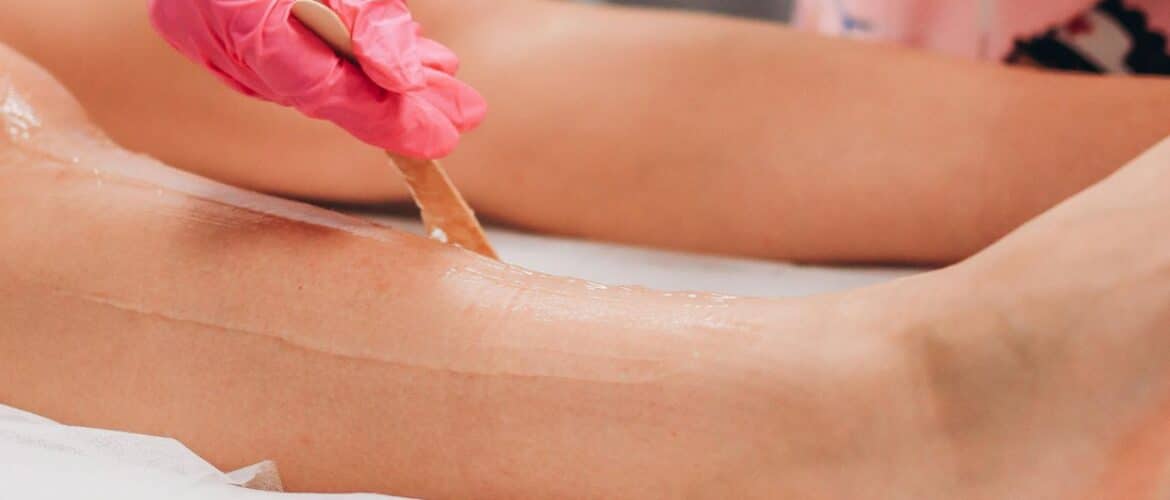
Choosing a clean salon for your waxing appointment protects your health and ensures a safe, comfortable experience. Poor hygiene during waxing can lead to infections, skin irritation, and complications that could have been easily prevented. Understanding what defines proper sanitation helps you identify professional establishments that put client safety first.
This guide provides a practical hygiene checklist for evaluating salon cleanliness before booking. You’ll learn to recognize quality sanitation practices, ask the right questions, and confidently avoid establishments with questionable standards.
Key Takeaways:
- Proper sterilization of equipment and single-use applicators prevents cross-contamination
- Licensed estheticians with current certifications ensure professional hygiene standards
- Visual inspection reveals cleanliness through organized supplies and sanitized treatment rooms
- Different waxing styles require specific sanitary protocols for intimate areas
- Premium pricing doesn't automatically mean superior sanitation practices
What Defines Sanitary Practices In A Waxing Salon?
Sanitary waxing combines proper equipment handling, staff training, and environmental cleanliness. These elements work together to prevent bacterial transmission and protect your skin. Professional salons implement comprehensive protocols that address every aspect of your service experience, from the moment you walk in to the moment you leave feeling smooth and confident.
State licensing boards establish minimum sanitation requirements for waxing establishments. Reputable salons exceed these baseline standards through additional safety measures and regularly updated hygiene protocols.
What Are The Essential Hygiene Standards?
A clean salon maintains strict hand hygiene and uses disposable gloves during every service. Estheticians wash their hands before and after each client interaction, it’s non-negotiable. Surface disinfection happens between all appointments using EPA-approved antimicrobial solutions that actually kill bacteria and viruses.
Treatment rooms need proper ventilation and temperature control to prevent bacterial growth. Fresh linens and paper coverings replace used materials after every single session. You should never see the same covering used for multiple clients.
- Choose a salon that visibly practices hand hygiene if: You want to minimize infection risk and feel confident about cleanliness standards.
How Is Equipment Sterilized And Disposed Of?
Professional sterilization of equipment uses autoclave systems for reusable tools and instruments. These high-pressure steam machines kill all microorganisms, including bacterial spores. Disposable applicators must be discarded immediately after single use, no exceptions. Wax pots should maintain consistent temperature and never be double-dipped with the same applicator.
Biohazard waste requires separate disposal in designated containers marked specifically for contaminated materials. Quality salons document sterilization cycles and maintain detailed cleaning logs for inspection purposes. Ask to see these records if you have concerns.
What Role Does Staff Training Play In Sanitation?
Licensed estheticians receive formal education in infection control and cross-contamination prevention. Regularly updated hygiene protocols ensure staff members stay current with evolving industry standards. Ongoing training addresses new sanitation technologies and emerging health concerns that affect client safety.
Certified professionals understand how to identify contraindications and refuse service when necessary. You can verify employee certification by asking to see current licenses. Their expertise protects both your health and the salon’s reputation through consistent safety practices.
Why Is Sanitation Crucial For Waxing Services?
Waxing removes hair and temporarily breaks down your skin’s natural barrier against bacterial invasion. Open follicles create direct entry points for pathogens that can cause infections. Proper sanitation minimizes these risks and protects you from entirely preventable complications.
Safe waxing practices maintain client trust and ensure long-term business success. Professional establishments understand that hygiene directly impacts both health outcomes and your satisfaction with their services.
What Are The Health Risks Of Unsanitary Waxing?
Bacterial infections from contaminated equipment can cause folliculitis (inflamed hair follicles) and painful skin abscesses. Cross-contamination spreads communicable diseases, including staph infections and even bloodborne pathogens. Unsanitary conditions may also trigger allergic reactions from improperly stored or expired products that should have been thrown out months ago.
Severe infections require medical treatment and can leave permanent scarring in treated areas. These complications are completely preventable through proper sanitation protocols and hygiene compliance. Understanding cleanliness is key: essential hygiene practices to avoid waxing woes help you protect yourself.
How Does Sanitation Affect Client Comfort And Safety?
Clean environments reduce anxiety and create positive service experiences, especially for nervous first-timers. Visible hygiene practices build confidence and demonstrate professional competence. You’ll feel much more comfortable discussing concerns when you observe meticulous sanitation standards being followed.
Safe waxing prevents post-treatment complications that could discourage you from future appointments. Consistent cleanliness encourages repeat visits and generates positive referrals to friends and family who trust your judgment.
What Are The Legal Requirements For Waxing Salons?
State cosmetology boards mandate specific sanitation protocols and facility cleanliness standards. License display requirements ensure you can verify practitioner credentials before receiving services. Salons must pass regular health inspections to maintain operational licenses and stay in business.
Violations can result in fines, temporary closures, or permanent license revocation. Compliance protects both your welfare and the salon’s viability in competitive markets like Las Vegas.
How Can You Identify A Clean Waxing Salon Before Booking?
Visual assessment reveals critical information about salon hygiene standards and operational practices. First impressions absolutely matter when evaluating cleanliness and professional attention to detail. Observant clients can spot red flags before committing to an appointment and potentially exposing themselves to health risks.
Direct communication with salon staff provides insight into their sanitation protocols and training philosophy. Professional establishments welcome your questions and provide transparent, detailed answers about their hygiene practices without getting defensive.
What Visual Signs Indicate Good Sanitary Conditions?
Organized treatment rooms with labeled storage containers demonstrate systematic hygiene management. Fresh linens should be visible and properly stored away from contaminated materials. Wax pots must appear clean without dried residue or product buildup on exterior surfaces that screams “we haven’t cleaned this in weeks.”
Trash receptacles should have lids and show regular emptying without overflow or unpleasant odors. Staff members wearing clean uniforms and practicing visible hand hygiene indicate professional standards you can trust.
- Choose a salon with visible organization if: You want confidence that hygiene protocols are systematic rather than haphazard.
Which Questions Should You Ask The Salon?
Ask whether the salon uses single-use applicators and how they prevent double-dipping. Request specific information about equipment sterilization methods and cleaning schedules between clients. Inquire about staff training frequency and whether employee certification verification is available for your review.
Question their protocols for handling skin sensitivities and contraindications before starting treatment. Professional estheticians will answer thoroughly and confidently without defensiveness or vague, evasive responses that raise suspicion.
- Ask these questions when: You’re evaluating a new salon or feel uncertain about cleanliness standards at any establishment.
How Do You Verify Licensing And Certifications?
Check state licensing board websites to confirm salon registration and individual esthetician credentials. Licenses should be current and displayed prominently in the reception area where you can easily spot them. Verify that individual practitioners hold active licenses in good standing without disciplinary actions or violations on their record.
Request proof of continuing education completion and specialized training in advanced techniques. Legitimate professionals maintain documentation and willingly share certification details with potential clients who ask.
What Are Common Sanitation Protocols During A Waxing Appointment?
Professional waxing sessions follow systematic procedures that maintain hygiene throughout your entire service. Each step addresses specific contamination risks and ensures your safety. Observing these protocols during your appointment confirms the salon’s genuine commitment to cleanliness rather than just talking about it.
Proper technique execution prevents cross-contamination while delivering effective hair removal results. You should expect consistent protocol adherence during every single visit, regardless of which service you’re getting.
How Are Wax Pots And Applicators Managed?
Each client receives fresh wooden or disposable applicators that are never reused, period. Estheticians must discard applicators immediately after each wax application without ever returning them to the pot. Wax pot temperatures remain within manufacturer specifications to prevent bacterial growth that thrives in too-cool wax.
Hard wax beads should be added to clean pots using sanitized scoops only. Contaminated wax requires complete pot disposal and thorough cleaning before refilling with fresh product.
- Choose salons that use single-use applicators if: You want zero risk of cross-contamination from previous clients.
What Steps Are Taken Between Clients?
Treatment tables receive fresh paper or linen coverings after every single appointment. All surfaces contacted during service undergo disinfection with appropriate antimicrobial solutions. Estheticians change gloves and wash hands thoroughly before beginning your session. You should see this happen.
Used supplies move immediately to designated waste containers without lingering in treatment areas. The room undergoes a visual inspection to ensure all traces of previous clients are completely removed.
How Is The Treatment Area Maintained?
Daily cleaning schedules address floors, walls, and all horizontal surfaces in treatment rooms. Equipment storage areas remain organized with clear separation between clean and contaminated items. Air quality maintenance includes proper ventilation and regular filter replacement in HVAC systems.
Monthly deep cleaning targets hard-to-reach areas and ensures comprehensive sanitation beyond daily protocols. Documentation of cleaning activities provides accountability and tracks compliance with health regulations.
How Do Different Waxing Styles Impact Sanitary Considerations?
Intimate waxing services require heightened sanitation protocols due to sensitive skin and increased bacterial exposure. The extent of hair removal directly correlates with infection risk and hygiene requirements. Different waxing styles demand specific techniques that maintain safety while achieving your desired smooth results.
Understanding these variations helps you select appropriate services and evaluate salon competence. Professional establishments adapt their protocols to match the sanitation needs of each specific treatment type.
Are There Unique Sanitation Needs For Brazilian And Hollywood Waxes?
Brazilian waxing for intimate areas demands single-use gloves and fresh applicators for each application. The proximity to mucous membranes increases infection risk and requires enhanced cleanliness measures. For comprehensive guidance, review Brazilian waxing for sensitive skin: best practices and precautions. Estheticians must avoid any contact between used applicators and wax pots.
Client positioning during intimate services requires extra attention to surface sanitation and barrier protection. Hollywood waxes involve complete hair removal and necessitate even stricter adherence to hygiene protocols.
- Choose Brazilian or Hollywood waxing when: You want complete hair removal in intimate areas and have confidence in the salon’s sanitation protocols.
Does Wax Type Affect Cleanliness Procedures?
Hard wax creates a self-contained removal system that minimizes skin contact and contamination risk. Soft wax requires strip application and generates more waste requiring proper disposal. Each wax formulation demands specific temperature control to prevent bacterial proliferation that compromises safety.
Professional salons select products based on sanitation properties and skin compatibility, especially for bikini waxing for sensitive skin. Product expiration dates must be monitored closely and expired inventory discarded immediately.
How Does Frequency Of Waxing Influence Sanitary Practices?
Regular waxing clients with established service patterns may experience reduced skin sensitivity over time. New clients require additional consultation and sensitivity testing before proceeding with full treatments. Consistent appointment schedules help salons track your individual needs and potential contraindications.
Maintenance appointments every four to six weeks allow estheticians to monitor skin reactions. This frequency helps identify hygiene issues quickly before they escalate into serious complications requiring medical attention.
What Additional Precautions Should Sensitive Clients Consider?
Individuals with compromised immune systems or chronic skin conditions require specialized hygiene considerations. Certain health conditions make waxing unsafe regardless of salon cleanliness standards. Transparent communication about your health history protects both your welfare and your esthetician’s safety.
Proactive disclosure prevents complications and allows professionals to modify protocols when possible. Responsible salons refuse service when your safety cannot be guaranteed through standard procedures, and you should appreciate that commitment to your wellbeing.
How Should You Communicate Allergies Or Skin Conditions?
Disclose all allergies, medications, and skin conditions during consultation before treatment begins. Provide specific details about previous reactions to wax, adhesives, or topical products. Request patch testing if you have unknown sensitivities or a history of allergic responses.
Bring documentation from healthcare providers when necessary to clarify contraindications or precautions. Estheticians need complete information to select appropriate products and modify standard protocols safely for your unique needs.
- Communicate allergies when: You have any history of reactions, take medications that affect skin sensitivity, or have chronic skin conditions.
What Sanitary Measures Support Sensitive Skin?
Hypoallergenic wax formulations reduce irritation risk while maintaining effective hair removal results. Pre-treatment cleansing with gentle, fragrance-free products prepares skin without causing additional sensitivity. Post-wax soothing treatments should use sterile application methods and fresh product dispensing from sealed containers.
Cooling measures and anti-inflammatory products help minimize discomfort after service completion. All products must come from sealed containers using disposable applicators for transfer, never fingers or reused tools.
When Should You Avoid Waxing Due To Health Concerns?
Active skin infections, open wounds, or severe sunburn make waxing unsafe regardless of precautions. Certain medications, including retinoids and blood thinners, create contraindications requiring medical clearance. Recent cosmetic procedures may prohibit waxing for specific recovery periods.
Pregnancy, diabetes, and autoimmune conditions require professional consultation before booking waxing appointments. Responsible estheticians prioritize your health over revenue and will recommend alternative timing.
- Avoid waxing when: You have active infections, are taking contraindicated medications, or have recently had cosmetic procedures on the treatment area.
How Do Costs And Salon Tiers Relate To Sanitary Standards?
Price points don’t reliably indicate sanitation quality or hygiene protocol adherence. Budget-conscious clients can find exceptionally clean salons at accessible price ranges with proper evaluation. Understanding cost structures helps you identify value without compromising safety standards.
Geographic location influences pricing more than sanitation practices in many markets. Informed consumers can access professional services while budgeting for regular Brazilian waxes: what it costs in Las Vegas over a year without sacrificing cleanliness.
Are Premium Salons More Sanitary?
Expensive establishments may invest in luxury amenities rather than superior sanitation protocols. High-end pricing often reflects location, decor, and brand positioning rather than actual hygiene quality. Many mid-range salons maintain identical or even superior cleanliness standards at significantly lower price points.
Licensing requirements apply equally across all price tiers and geographic areas. Your evaluation should focus on observable hygiene practices rather than price-based assumptions that could mislead you.
Choose based on visible practices, not price when: You’re evaluating sanitation quality, expensive doesn’t automatically mean cleaner or safer.
What Budget Salon Practices Ensure Adequate Hygiene?
Affordable salons can maintain excellent sanitation through efficient protocols and streamlined operations. Single-use supplies cost the same regardless of service pricing and protect all clients equally. Proper training matters more than facility aesthetics when preventing infection and cross-contamination.
Budget establishments often serve higher client volumes requiring systematic hygiene compliance. Consistent protocol adherence becomes operationally necessary rather than optional in high-traffic environments that depend on positive reviews and repeat business.
How Does Location Influence Sanitation Quality?
Urban salons face stricter inspection frequency and regulatory enforcement than rural counterparts. Tourist destinations often maintain higher visible standards to protect reputation and business licenses. Neighborhood establishments rely on repeat clientele and must prioritize safety for long-term sustainability.
Geographic health department resources affect inspection thoroughness and violation follow-up procedures. You should verify compliance regardless of location through direct observation and questioning.
Your Sanitary Waxing Salon Checklist: Making A Confident Booking Decision
Evaluating salon sanitation requires attention to visible hygiene practices and transparent communication. Your health and safety depend on selecting establishments that prioritize cleanliness over convenience or profit margins. This hygiene checklist empowers you to make informed decisions and avoid entirely preventable complications.
Professional waxing services should boost your confidence without compromising your wellbeing. Clean salons welcome your questions and demonstrate their commitment through observable protocols and properly certified staff.
Your Pre-Booking Sanitation Checklist:
Visual Inspection:
- Clean, organized treatment rooms with labeled storage
- Fresh linens visible and properly stored
- Wax pots appear clean without buildup
- Covered trash receptacles that are regularly emptied
- Staff wearing clean uniforms
Staff Qualifications:
- Current licenses displayed prominently
- Employee certification verification available
- Staff can explain sanitation protocols clearly
- Continuing education documentation maintained
Sanitation Protocols:
- Single-use applicators confirmed
- Equipment sterilization methods explained
- Hand hygiene practiced visibly
- Fresh coverings between each client
- EPA-approved disinfectants used
Communication:
- Questions answered thoroughly and confidently
- Health history consultation conducted
- Contraindication protocols explained
- Post-care instructions provided
Expected Outcomes When You Choose Right:
When you select a properly sanitized salon, you can expect: Smooth, hair-free skin without infection complications. Comfortable service experience that reduces anxiety. Professional treatment that respects your health and safety. Lasting results that build your confidence for weeks.
When sanitation standards fall short, you risk: Bacterial infections requiring medical treatment. Skin irritation and allergic reactions. Permanent scarring in treated areas. Negative experience discourages future self-care.
Experience Award-Winning Waxing In A Clean, Safe Environment
SOS Wax & Skincare maintains rigorous sanitation standards across all seven Las Vegas and Henderson locations. Our licensed estheticians follow comprehensive hygiene protocols that protect every client during each appointment. We’re Gold Winners of the 2025 Best of Las Vegas awards for Waxing, Facials, Eyebrows, and Beauty Salon, recognition that reflects our commitment to both quality and cleanliness.
We combine professional expertise with accessible pricing to deliver safe, effective waxing services. Your first Brazilian is just $30, and our 4-week maintenance pricing helps you stay smooth year-round without financial stress. Walk-ins are welcome, or book online 24/7 for your convenience.
Ready to experience the difference clean, professional waxing makes? Book your appointment at any of our convenient locations and discover why Las Vegas trusts SOS Wax & Skincare for award-winning service in a spotlessly clean environment.

Genet Nemeth is the owner of SOS WAX and Skincare in Las Vegas. She loves talking about skincare and waxing with employees and clients. When not in one of her shops, you can find Genet enjoying a matcha tea ice cream cone at her favorite café.