
At-Home Wax Kits vs. Salon Brazilian Wax: What You Actually Save (And Lose)
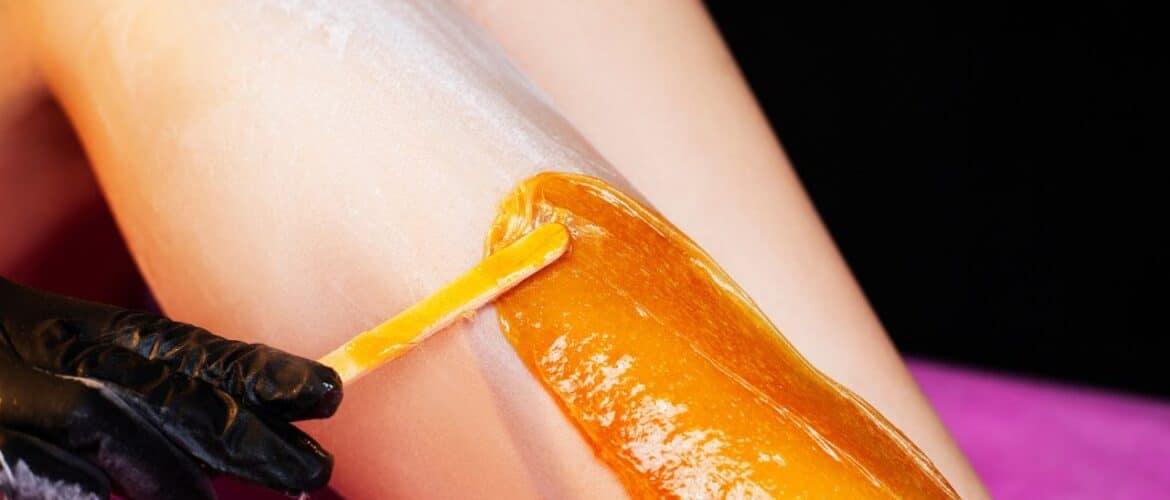
Hair removal decisions often come down to one big question: Is the upfront price difference worth it? When you’re standing in the drugstore aisle holding a $25 at-home wax kit, it’s tempting to skip the salon appointment. But here’s what most people don’t realize until they try it: initial cost savings can disappear fast once you factor in the learning curve, mistakes, and potential skin damage.
The real comparison isn’t just about money. It’s about understanding what you’re trading off: pain tolerance, skin safety, result quality, and the time you’ll spend fixing mistakes. Let’s break down the actual cost savings and what you might lose in the process.
Key Takeaways:
- At-home wax kits cost $20-$30 initially but carry a high risk of burns, bruising, and skin lifting from improper technique
- Salon Brazilian wax ranges from $35-$120 per session with consistent, professional-grade results lasting 3-4 weeks
- Five-year salon costs reach $3,000-$5,000 compared to $100-$750 for at-home kits when you factor in learning mistakes and product waste
- Professional waxing reduces ingrown hairs and skin damage through proper temperature control and expert technique
- 62% of women remove pubic hair, with only 17.9% attempting at-home waxing versus 19.5% choosing professional services
What Is Brazilian Waxing And How Does It Work?
Brazilian waxing removes all pubic hair from the front, sides, back, and perianal area using specialized wax that grabs hair at the root. Think of it as a complete reset, you’re starting fresh with smooth skin that lasts weeks longer than shaving ever could.
The process uses either hard wax or soft wax, depending on where you’re treating and what type of hair you have. Hard wax hardens on your skin and gets peeled off without strips, which makes it gentler for sensitive areas. Soft wax needs cloth strips for removal and works better on larger body areas where hair is finer.
What Happens During A Professional Brazilian Wax?
A complete Brazilian wax takes 30 to 60 minutes from start to finish. Your esthetician starts by cleansing your skin and applying powder to absorb any moisture. Then they spread heated wax in small sections and remove hair by pulling against the growth direction. This technique matters more than most people realize.
Temperature control and pulling technique separate good results from painful disasters. Professionals know exactly how hot the wax should be and the precise angle to pull for minimal discomfort. They finish by applying soothing products to calm redness and prevent irritation. If you’re curious about what to expect, the pros and cons of getting a Brazilian wax walk through the entire experience in detail.
How Long Do Brazilian Wax Results Last?
Brazilian wax results last 3-4 weeks because hair gets removed from the follicle, not just cut at the surface like shaving. Even better, consistent waxing over time weakens hair follicles. Your regrowth becomes finer and sparser, which means less pain and longer-lasting smoothness with each appointment.
Here’s what you should know about the process: It hurts. Most people rate it as moderate to severe pain, especially during the first sessions when follicles are strongest. You might experience temporary redness, small bumps, or ingrown hairs if you skip proper aftercare. But here’s the good news: each session gets easier as your hair grows back thinner and your skin adapts to the process.
How Do At-Home Wax Kits Differ From Salon Waxing?
An at-home wax kit gives you everything you need to wax yourself without leaving your bathroom. These kits include microwaveable wax, applicators, and removal strips designed for self-application in complete privacy.
The main difference isn’t the wax itself; it’s the expertise behind the application. Temperature regulation, application thickness, and removal angle all determine whether you get smooth skin or cause injury. Professional estheticians master these variables through training and practice. When you’re doing it yourself, you’re learning on your own skin.
What Types Of At-Home Wax Kits Can You Buy?
At-home wax kit options range from $20-$30 for complete starter packages. You’ll find hard wax beans that need microwave heating, pre-waxed strips for cold application, and roll-on applicators with built-in warmers.
Hard wax works best for sensitive areas like your bikini line because it only grabs hair, not skin. Soft wax strips offer convenience for legs and arms where hair is finer. Different formulas target various hair types and skin sensitivities, but here’s the catch, you’re choosing without professional guidance. Understanding the differences between hard wax vs. soft wax helps, but it doesn’t replace trained judgment about what your specific skin needs.
What Goes Wrong With At-Home Waxing?
User error with at-home wax kits happens more often than product manufacturers want you to know. Without training in proper application and removal technique, mistakes become expensive, and painful.
Temperature problems top the list. Wax that’s too hot causes burns ranging from mild redness to severe blistering that needs medical attention. Too cool, and the wax doesn’t grab hair properly, forcing you to go over the same spot multiple times. That’s how bruising happens, when skin gets trapped with hair during removal.
Skin lifting is another risk that increases when wax sticks too strongly to live tissue instead of just hair. Pull at the wrong angle, and you can actually tear your skin. Hair breakage happens when wax temperature or removal technique is off, leaving you with stubble instead of smooth skin. These aren’t rare complications, they’re common enough that many people abandon at-home waxing after one or two painful attempts.
How Do Pain, Longevity, And Skin Impact Compare Between Methods?
Pain levels and how long results last vary significantly based on who’s doing the waxing and what quality wax they’re using. Professional environments control these variables through standardized procedures. Home applications introduce inconsistency, which usually means more discomfort and shorter-lasting results.
The quality comparison extends beyond how much it hurts in the moment. Long-term skin health and hair regrowth patterns tell the real story about which method delivers better value.
Does Brazilian Waxing Hurt More Than At-Home Waxing?
Salon Brazilian wax procedures deliver controlled pain that actually decreases with each session as your hair becomes finer. Trained estheticians pull wax at optimal angles and speeds, which minimizes nerve stimulation and reduces overall discomfort.
At-home waxing often proves more painful because of hesitation, incorrect angles, and going over the same area multiple times. Beginners frequently apply too much pressure or pull too slowly, intensifying pain and causing unnecessary skin trauma that professionals know how to avoid. Your first time waxing yourself will likely hurt more than your third professional appointment, even though follicles are strongest during early sessions.
How Long Do At-Home Results Last Compared To Professional Waxing?
Professional Brazilian waxing delivers smooth results lasting 3-4 weeks when proper technique removes hair completely from follicles. Consistent professional treatments train your hair to grow in synchronized cycles, which improves timing predictability for future appointments. You’ll know exactly when to book your next session.
At-home wax results last anywhere from 3-6 weeks, depending on your application skill and how completely you remove hair during each session. Broken hairs that snap at the surface rather than pulling from roots reappear within days, cutting down the time you stay smooth. This inconsistency is frustrating, you might get great results on your legs, but patchy results in sensitive areas where technique matters most.
What Should You Know About Skin Care After Waxing?
Proper aftercare prevents complications whether you wax at home or in a salon, though professional guidance dramatically improves your chances of following through correctly. Your skin needs 24-48 hours without heat exposure, tight clothing, or products containing fragrance or active ingredients after waxing.
Regular exfoliation starting 48 hours after treatment prevents ingrown hairs by removing dead skin cells that trap emerging hair. Following essential waxing aftercare tips for smooth skin reduces redness, bumps, and infection risk while maintaining the smooth results you worked to achieve. If you do notice bumps, understanding what causes bumps after a bikini wax and how to fix them helps you address problems before they become serious.
What Are The Cost Differences Over Time?
Initial price tags rarely reflect true cost when you’re comparing hair removal methods over extended periods. The salon Brazilian wax budget range starts at $35-$45 per session at value salons, mid-range services cost $50-$90, and premium treatments reach $100-$120 depending on location and the esthetician’s expertise level.
These per-session costs add up differently from one-time purchases of at-home supplies and equipment. Calculating actual cost savings requires factoring in how often you’ll wax, product replacement, and potential correction costs from mistakes that need professional fixing.
How Does Initial Price Compare Between At-Home Kits And Salons?
A single salon Brazilian wax session costs between $35-$120 depending on where you live and the salon’s reputation. This upfront expense includes professional application, a sanitized environment, and immediate problem resolution if complications arise during treatment.
At-home wax kits require $20-$30 initially, creating an apparent cost advantage that shrinks when you calculate supplies needed monthly. This comparison ignores learning curve expenses like wasted product during practice attempts and potential medical costs from burns or skin damage that needs treatment.
What Are Long-Term Costs For Each Method?
The Brazilian wax 5-year cost ranges from $3,000-$5,000 based on monthly maintenance at mid-range pricing. This calculation assumes consistent three-to-four-week intervals and accounts for seasonal variations when swimwear season increases appointment frequency.
At-home waxing costs $100-$750 over five years when you factor in monthly product purchases and replacement applicators. However, this estimate excludes correction costs for mistakes and assumes you successfully master the technique within your first few attempts, which most people don’t. Add in at least one or two emergency salon visits to fix botched home jobs, and that cost savings starts looking less impressive.
Choose Salon Waxing If:
- You value consistent, predictable results over experimenting with DIY techniques
- Your time is worth more than the hourly rate you’d “save” by waxing yourself
- You want to avoid the learning curve of technique mastery
- Skin safety and minimizing complication risk matter more than upfront cost savings
Choose At-Home Waxing If:
- You have high pain tolerance and don’t mind making mistakes on your own skin
- Privacy is your top priority and outweighs professional safety protocols
- You’re willing to invest significant time practicing the technique before achieving good results
- You have steady hands, good flexibility, and patience for a challenging learning process
Who Is Best Suited For At-Home Wax Kits Or Salon Brazilian Wax?
Individual suitability depends on your pain tolerance, manual dexterity, budget flexibility, and willingness to risk potential complications. Research shows 62.0% of women have removed pubic hair at some point, with 49.8% removing hair within the past 30 days.
Method selection patterns reveal interesting trends: 94.3% of hair removers use shaving or trimming as their primary approach. Only 19.5% report ever using professional waxing or sugaring, while 17.9% have attempted at-home waxing at least once. These numbers suggest most people stick with what they know rather than exploring potentially better options.
Which Skin Types and Sensitivities Work Best With Each Option?
Sensitive skin types benefit from professional services where temperature and product selection get customized for your individual reactions. Trained estheticians identify red flags like active breakouts, recent sun exposure, or medication use that increases skin fragility. They adjust their technique accordingly.
At-home kits lack this personalized assessment, increasing complication risk for anyone with conditions like eczema, rosacea, or naturally reactive skin. If you’re someone who experiences bumps after waxing, professional guidance becomes even more important rather than attempting self-treatment that could worsen inflammation or lead to infection.
How Do Your Preferences And Lifestyle Influence The Choice?
Privacy-conscious individuals often prefer at-home methods despite increased difficulty and discomfort during application. If the thought of a stranger seeing you in that position outweighs all other concerns, DIY waxing might make sense for you, just know you’re accepting higher risk in exchange for that privacy.
Time-strapped professionals often choose salons for efficiency, spending 30-60 minutes every three weeks rather than multiple hours practicing technique at home and dealing with cleanup. Budget constraints influence decisions, though financial calculations must account for mistake correction and product waste during learning phases.
Interestingly, social media usage correlates with hair removal frequency. Frequent platform users show significantly higher likelihood of recent grooming compared to occasional users, suggesting that beauty standards visible on social media influence maintenance habits. If you’re someone who stays photo-ready year-round, professional waxing might fit better into that lifestyle than irregular at-home attempts.
What Alternative Hair Removal Methods Should Be Considered?
Waxing represents only one category within a broader spectrum of hair removal technologies and techniques. Understanding Brazilian wax vs. bikini wax differences helps you select the right service level, while exploring permanent solutions offers different value propositions for long-term hair reduction.
Alternative methods range from natural sugar-based pastes to advanced light technologies that target hair follicles for lasting reduction. Each approach balances upfront investment against maintenance requirements and how permanent results actually are.
How Do IPL And Laser Treatments Compare To Waxing?
IPL devices use broad spectrum light with multiple wavelengths that scatter within skin to target melanin in hair follicles. Professional laser treatments use concentrated, single-wavelength light that precisely targets melanin in follicles with greater accuracy and deeper penetration into the skin.
IPL typically requires 10 to 12 sessions spaced weeks apart to achieve visible reduction. Laser requires 6 to 8 sessions on average, with IPL achieving 50-70% permanent reduction compared to laser’s 70-90% effectiveness rate. The upfront cost is significantly higher, $1,500-$3,000 for laser packages, but you’re paying for semi-permanent results rather than ongoing maintenance.
What Are The Benefits And Drawbacks Of Epilators And Sugaring?
Sugaring uses natural paste made from sugar, lemon juice, and water applied against hair growth and removed with the growth direction. This technique is gentler than traditional waxing because paste adheres only to hair rather than grabbing skin tissue.
An epilator is an electronic device with a rotating head equipped with multiple tiny tweezers that grab and pull hairs from roots simultaneously. Think of it as mechanical tweezing done at high speed, it’s portable, reusable, and doesn’t require heating wax.
Sugaring results last 3-4 weeks similar to traditional waxing, while epilation results last 2-4 weeks depending on your hair growth cycles. Sugaring is generally less painful than waxing because you’re not ripping skin along with hair. Epilators hurt about as much as waxing but offer convenience, you can use them anywhere without preparing wax or dealing with sticky cleanup.
What Preparation And Aftercare Are Essential For Safe Waxing?
Proper preparation reduces pain and minimizes complication risk whether you choose professional or at-home application. Your skin’s condition at waxing time significantly impacts both immediate comfort and long-term results.
Post-treatment protocols prevent infection, reduce inflammation, and maintain smooth results throughout the entire regrowth cycle. Following how to care for your skin after waxing preserves the investment you made in hair removal and prevents the frustrating problems that make people give up on waxing entirely.
How Should You Prepare Your Skin Before Waxing?
Hair length must reach 1/4 inch, approximately two weeks of growth, for wax to grip effectively. Shorter hair prevents adequate adhesion, while excessive length increases pain and makes removal less efficient. This goldilocks zone matters more than most people realize.
Exfoliation 24-48 hours before waxing removes dead skin cells that could trap hair and cause uneven results. Your skin should be clean, dry, and completely free from lotions, oils, or products that create barriers between wax and hair shafts. Avoid retinoids, acids, and any active skincare ingredients for at least 3 days before waxing, these thin your skin and increase injury risk.
Skip caffeine and alcohol before your appointment. Both constrict blood vessels and increase sensitivity, which translates to more pain during treatment. Taking an over-the-counter pain reliever 30-45 minutes before waxing can reduce discomfort, but check with your esthetician first as some medications thin blood and increase bruising risk.
What Aftercare Practices Prevent Complications Like Ingrown Hairs?
Avoiding heat, friction, and tight clothing for 24-48 hours after waxing prevents irritation and allows follicles to close properly. Swimming pools, hot tubs, saunas, and intense exercise should be postponed during this vulnerable period when your skin is more susceptible to bacteria and infection.
Understanding aftercare and how to prevent ingrown hairs through consistent exfoliation maintains smooth results between appointments. Gentle chemical exfoliants or textured cloths used every 2-3 days prevent dead skin from trapping emerging hairs beneath the surface. This regular maintenance makes the biggest difference in whether you experience smooth regrowth or irritating bumps.
Moisturize daily with fragrance-free, non-comedogenic lotion to keep skin supple and prevent dryness that can contribute to ingrown hairs. Avoid touching or scratching the treated area, even if you feel slight itching as skin heals. This discipline prevents introducing bacteria that can cause folliculitis or other infections.
Weighing Costs, Convenience, Pain, And Results In Your Waxing Choice
The decision between at-home wax kits and salon Brazilian wax comes down to what you prioritize: upfront cost savings, safety, or result quality. While at-home options offer lower initial costs, they carry a significantly higher risk of burns, skin damage, and inconsistent results that often require professional correction anyway.
Professional services deliver reliable smoothness through proper technique, temperature control, and expertise that comes from years of training and daily practice. The cost difference narrows considerably when you account for learning curves, wasted products, and potential medical expenses from at-home mistakes that damage your skin.
Your choice should reflect honest assessment of your pain tolerance, manual dexterity, and willingness to accept a higher complication risk in exchange for privacy and initial cost savings. Most people find that the benefits of Brazilian waxing justify the professional investment when they calculate true long-term value, including the confidence boost that comes from knowing you’ll get consistent, safe results every time.
For those in the Las Vegas area seeking professional waxing services, SOS Wax & Skincare offers licensed estheticians who deliver safe, consistent results without the trial-and-error costs of at-home attempts. Their expertise helps you avoid common mistakes while achieving the smooth, lasting results you deserve, all at prices that won’t break the bank.
Ready to experience award-winning results without the risks, pain, and frustration of at-home waxing? Explore our complete waxing services and discover how expert care, unbeatable value, and a welcoming environment make professional waxing the smarter choice for your skin and your confidence.

Genet Nemeth is the owner of SOS WAX and Skincare in Las Vegas. She loves talking about skincare and waxing with employees and clients. When not in one of her shops, you can find Genet enjoying a matcha tea ice cream cone at her favorite café.