
Epilator vs. Brazilian Wax: Which Hair Removal Method Is Right For You?
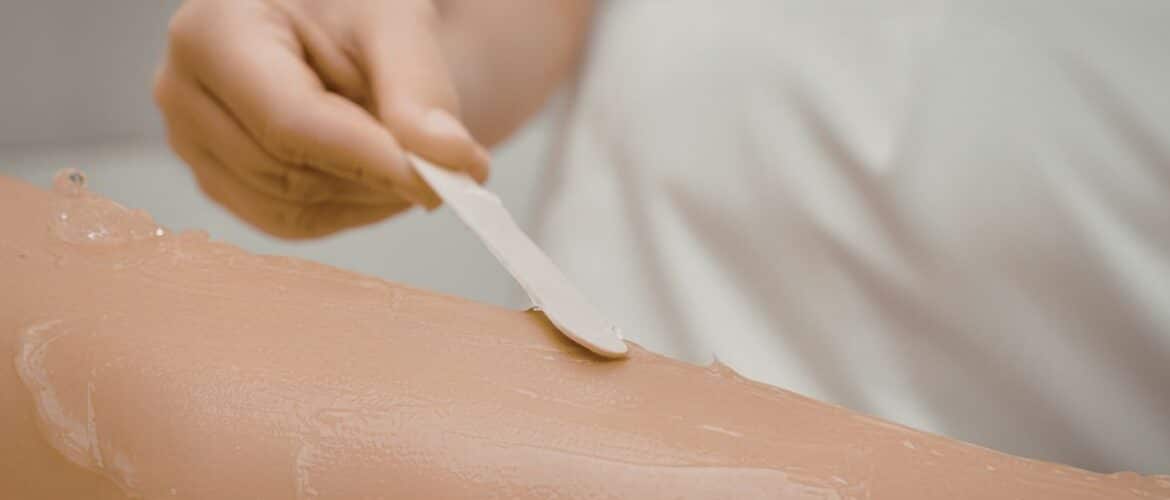
Choosing the right hair removal method means balancing immediate comfort with long-term budget and maintenance. Both epilators and Brazilian waxing remove hair from the root, giving you weeks of smooth skin, but they work very differently in how they feel, what they cost, and how much effort they require.
This guide breaks down epilation and Brazilian waxing using real consumer data, pain comparison studies, and a five-year cost analysis. You’ll learn exactly what to expect from each method so you can pick the one that fits your budget, comfort level, and lifestyle.
Key Takeaways:
- Brazilian waxing costs $35-$120 per session and adds up to $3,000-$5,000 over five years, while epilators require one $25-$150 purchase
- Both methods give you three to four weeks of smooth skin by removing hair from the root
- Epilation hurts more at first because it plucks multiple hairs at once with mechanical tweezers
- Professional waxing gives you expert application and aftercare tips, which reduce mistakes
- At-home epilators offer privacy and long-term savings, but they have a learning curve
What’s The Difference Between Epilators And Brazilian Waxing?
Both methods remove hair at the follicle instead of cutting it at the surface like shaving. This root-level removal gives you much longer periods of smoothness compared to razors or hair removal creams.
The main difference is how they work: epilators use rotating mechanical tweezers, while waxing uses sticky substances. Each approach has its own benefits when it comes to cost, convenience, and control.
How Does An Epilator Remove Hair?
An epilator is a handheld electronic device with a spinning head covered in tiny metal tweezers. These tweezers grab and pull out multiple hairs at the same time. The device can catch hairs as short as 0.5 millimeters, so you don’t need to wait for regrowth like you do with waxing.
Most modern epilators work on both dry and wet skin, which means you can use them in the shower to reduce discomfort. The rotating head covers large areas quickly. With practice, you can finish a full-body session in 20 to 30 minutes.
- Best for: People who want unlimited treatments at home, value privacy, and are willing to push through initial discomfort for long-term savings.
What Happens During A Professional Brazilian Wax?
A Brazilian wax removes all pubic hair from the front, sides, back, and perianal area using hard or soft wax. The wax sticks to both the hair and your skin, then gets pulled away fast in the opposite direction of hair growth.
Sessions typically take 30 to 60 minutes, depending on how much hair you have and how experienced your esthetician is. Licensed professionals apply pre-treatment powder to absorb moisture, which helps the wax stick better and removes hair more cleanly. If you’re preparing for your first session, this men’s preparation guide walks you through exactly what to expect.
Best for: People who prefer expert application, want guidance through the process, and don’t mind booking regular appointments.
How Do Pain Levels Compare Between These Methods?
Brazilian waxing typically rates between 6 and 8 on a 10-point pain scale during first sessions, especially when removing coarse, dense hair. The pain comes from ripping multiple hairs out at once with adhesive. Most people say the anticipation is worse than the actual sensation, which lasts only a few seconds per strip.
Epilation is known for sharp, stinging pain, especially during the first few uses when your skin isn’t used to the plucking sensation. Users describe it as hundreds of tiny pinches happening at the same time. The good news? The discomfort drops significantly after the first three sessions as your hair grows back finer and your skin adapts.
Why Does Waxing Hurt Less Over Time?
Your hair follicles weaken with repeated waxing. After several sessions, your hair grows back thinner, softer, and less dense. This means less pain during each appointment and longer periods of smoothness. Many clients report that their fourth or fifth wax is 50% less uncomfortable than their first.
The speed of professional application also matters. Experienced estheticians work quickly and use proper technique, which minimizes discomfort compared to slower, hesitant home applications.
Why Does Epilation Feel More Intense Initially?
Epilators pluck dozens of hairs simultaneously, which creates a more intense sensation than removing one strip at a time. The mechanical action also feels different from the quick pull of wax, it’s more of a continuous pinching as the device moves across your skin.
Your pain tolerance naturally increases as you epilate regularly. By your third session, most users report the pain drops by half as follicles weaken and nerve endings become less sensitive to the sensation.
- Choose professional waxing if: You have low pain tolerance and want the fastest, most expert removal method with someone guiding you through the process.
- Choose epilation if: You’re willing to tolerate higher initial pain for eventual adaptation, unlimited sessions, and total privacy at home.
What Are The Real Costs Of Each Method?
Understanding the cost analysis means looking at both upfront investment and five-year totals. Brazilian wax pricing varies widely based on location and salon quality.
How Much Does Professional Brazilian Waxing Cost?
Brazilian wax services range from $35 to $45 at budget salons, $50 to $90 at mid-range establishments, and $100 to $120 at premium spas. If you maintain monthly appointments (which most people do), you’ll spend between $420 and $1,440 per year.
Over five years, monthly waxing totals between $3,000 and $5,000. This doesn’t include tips, which usually add 15-20% to your total cost. The upside? You get professional application, quality products, and expert aftercare advice with every visit.
Investment: $420-$1,440 annually, $3,000-$5,000 over five years
How Much Do Epilators Cost Long-Term?
Epilator devices cost $25 to $50 for basic models, $50 to $100 for mid-range options with wet/dry functionality, and $100 to $150 for premium cordless units. You might spend an additional $20 to $50 every two years on replacement tweezers heads and charging accessories.
Your five-year total stays under $200 for a basic device, or under $250 for a premium model with replacement parts. After your initial purchase, there are no recurring costs except occasional replacement heads.
Investment: $25-$150 upfront, under $250 over five years with maintenance
- Choose professional waxing if: You value expert service, don’t mind the recurring cost, and prefer not to handle hair removal yourself.
- Choose epilation if: You’re budget-conscious, want to invest once for years of treatments, and are comfortable with self-application.
How Long Do Results Last With Each Method?
Both methods remove hair from the root, which means you get weeks of smoothness instead of the daily stubble from shaving. The actual duration depends on your individual hair growth cycle, hormones, and how consistently you maintain your routine.
How Long Does Brazilian Waxing Keep You Smooth?
Brazilian wax results typically last three to four weeks before you notice enough regrowth to need another appointment. Consistent waxing weakens your hair follicles over time, which leads to finer, sparser regrowth. After several months, many clients find their smooth period extends to five weeks.
The professional application removes hair cleanly from the root without breakage, which means you get the full growth cycle before needing your next session. Proper aftercare can help extend these results even further.
Expected outcome: 3-4 weeks of smoothness, extending to 5 weeks with consistent appointments
How Long Does Epilation Keep You Smooth?
Epilator results last between two to four weeks depending on your hair growth speed and hormonal factors. Hair grows back softer and thinner after repeated sessions, which gradually improves both comfort and how long you stay smooth.
The quality of your results depends heavily on technique. Holding the device at the right angle and moving it slowly enough ensures complete root removal. Rushed or improper use can break hairs at the surface, which shortens your smooth period.
Expected outcome: 2-4 weeks of smoothness, improving over time with regular use
How Do Other Hair Removal Methods Stack Up?
Understanding your alternatives helps you see where epilators and Brazilian waxing fit in the bigger picture. Each method offers different balances of cost, pain, and convenience.
What Is Sugaring And How Is It Different?
Sugaring uses a natural paste made from sugar, lemon juice, and water applied at body temperature. The paste goes on against hair growth and gets removed with hair growth, which reduces breakage and skin trauma compared to traditional wax.
Results last three to four weeks, matching traditional waxing. Professional sugaring costs $15 to $30 for budget services and $40 to $60 at mid-range salons, adding up to $2,000-$4,000 over five years with monthly maintenance.
- Best for: People with sensitive skin who want a gentler alternative to traditional wax but still want professional application.
Do At-Home Wax Kits Work Well?
At-home wax kits can give you three to six weeks of smooth skin when you follow the directions carefully. These kits cost $20 to $30 for basic strips, which means five-year expenses stay between $100 and $750 depending on how often you use them.
The risk of mistakes is high with home waxing, especially if you’ve never done it before. Wrong temperature causes burns. Incorrect pulling technique leads to bruising, skin lifting, or incomplete removal that leaves you patchy instead of smooth.
- Best for: Experienced users who have mastered technique and want to save money versus salon visits, but aren’t ready for an epilator investment.
What About Light-Based Hair Removal Like IPL?
IPL devices use a broad spectrum of light to target melanin in hair follicles. These at-home devices cost $200 to $300 and typically need 10 to 12 sessions to achieve 50% to 70% permanent reduction over several months.
Professional laser treatments use concentrated, single-wavelength light beams that target follicles more precisely. Laser requires 6 to 8 sessions to achieve 70% to 90% permanent reduction, costing $2,000 to $6,000 for complete treatment courses.
- Best for: People seeking permanent hair reduction who can commit to a multi-month treatment schedule and have the budget for upfront investment.
Who Chooses Epilators vs. Brazilian Waxing And Why?
Your age, budget, and exposure to beauty trends influence which hair removal method you pick. Younger generations lead adoption, with Millennials and Gen Z showing the highest usage rates.
The average age of people actively removing pubic hair is 44.5 years compared to 54.6 years for those who don’t. This gap shows how grooming preferences have shifted between generations.
What Do The Numbers Say About Hair Removal Habits?
62% of U.S. women have tried pubic hair removal at some point using any method. Nearly 50% maintain active grooming routines year-round, while 19.5% have tried professional waxing or sugaring at least once.
94.3% of women who remove hair have used shaving or trimming, making it the most common starting point. Higher income levels correlate with choosing professional services over at-home methods.
Why Do People Remove Hair In The First Place?
83% cite hygiene as their primary reason for removing body hair. 82.6% cite physical comfort, especially reducing heat and moisture during hot weather or exercise. 72.3% cite confidence in swimwear and intimate clothing as a major motivator.
- Choose professional waxing if: You value expert guidance, especially as a first-timer, and appreciate having someone knowledgeable walk you through the process.
- Choose epilation if: You prefer privacy, don’t want to disrobe for appointments, and feel comfortable teaching yourself through trial and error.
How Do You Prepare For And Care For Your Skin After Each Method?
Proper preparation directly impacts your comfort during hair removal and how your skin heals afterward. Pre-treatment steps differ between professional waxing and at-home epilation, but both need minimum hair length and clean, dry skin.
Aftercare determines whether you heal smoothly or deal with ingrown hairs and irritation that lasts for days. Professional estheticians give you detailed post-treatment guidance, while epilator users need to research and follow protocols on their own.
What Should You Do Before Using An Epilator?
Your hair should be 2 to 5 millimeters long (about rice grain length) for effective gripping. Exfoliate 24 hours before to remove dead skin cells that could block follicles.
Take a warm shower right before epilating to open pores and soften hair. Apply numbing cream 30 minutes before or epilate after evening showers when pain tolerance peaks. These steps can cut perceived pain by up to 40%.
What Aftercare Does Brazilian Waxing Require?
Post-wax aftercare starts with avoiding hot baths, saunas, and intense exercise for 24 hours. Apply aloe vera gel or calming lotions to reduce redness and provide antibacterial protection.
Start gentle exfoliation three days after waxing to prevent ingrown hairs by clearing follicle openings. Wear loose cotton underwear for 48 hours to minimize friction. Your esthetician will give you specific product recommendations based on your skin type.
What Are The Risks And Side Effects You Should Know About?
Both methods involve forceful hair removal from follicles, which comes with risks ranging from temporary cosmetic issues to infection. Understanding these potential problems helps you take preventive steps and recognize when you need professional medical help.
Your skin type, hair texture, and how well you heal all influence how severe and frequent complications might be. People with sensitive skin or a tendency toward folliculitis face higher risk regardless of which removal method they pick.
What Normal Side Effects Should You Expect?
Temporary redness, small bumps, and risk of ingrown hairs are normal if you don’t maintain proper aftercare. These effects typically fade within 24 to 48 hours for healthy people.
Epilation can break hairs instead of removing them completely, which causes ingrown hairs as fractured shafts curl under the skin. This happens more often when you hold the device at the wrong angle or pull your skin too tight.
Brazilian waxing can cause temporary redness and sensitivity that resolves within a day. Some people see small blood spots where hair was particularly coarse, which is normal and heals quickly.
How Can You Minimize Risks Like Ingrown Hairs?
Regular exfoliation with salicylic acid or glycolic acid keeps follicle openings clear as hair regrows. Moisturize daily to maintain skin elasticity, which lets hair penetrate the surface instead of growing sideways.
Skip tight clothing for 48 hours after hair removal to prevent friction. Clean your epilator head with rubbing alcohol before each use to reduce bacterial introduction.
How Do Pain Tolerance And Long-Lasting Results Affect Your Experience?
Your ability to handle discomfort combined with how long results last determines whether you’ll stick with a method long-term. People willing to endure higher initial pain often get better outcomes through professional waxing or consistent epilation compared to frequent, gentler methods like shaving.
First-time waxing clients who return for a second appointment have much higher lifetime continuation rates. This shows that managing expectations through education and pain reduction techniques improves long-term adoption and satisfaction.
What Actually Works For Managing Pain?
Take over-the-counter anti-inflammatory medication like ibuprofen 30 to 45 minutes before treatment to reduce both pain sensation and post-treatment inflammation. Understanding typical pain levels helps set realistic expectations and prevents giving up too soon.
Schedule waxing appointments during the week after your period when pain tolerance naturally peaks. Use epilators at slower speeds during your first few sessions to allow gradual pain adaptation. Many users report 50% less discomfort by their third treatment as their skin adjusts.
How Does Hair Regrowth Impact Your Convenience?
Methods that keep you smooth for four weeks require only 13 treatments per year compared to 52 weekly shaving sessions, a 75% reduction in grooming time.
Consistent root-level removal extends smooth periods as follicles weaken. Users report maintenance intervals lengthening from three to five weeks over six months without changing technique.
Should You Choose Epilators Or Professional Brazilian Waxing?
Epilators and Brazilian wax services both give you weeks of smooth skin by removing hair from the root, but they serve different needs. Professional waxing works best for people who value expert application and don’t mind recurring appointments. Epilators reward those who prioritize long-term savings and privacy.
Budget-conscious consumers save over $4,000 across five years by investing in an epilator instead of booking monthly salon visits. However, people with low pain tolerance or limited coordination may find professional waxing services worth the premium for better results and less frustration.
When Does Professional Waxing Make The Most Sense?
Choose professional Brazilian waxing when:
- You’re a first-timer who needs guidance and reassurance through the process
- You have low pain tolerance and want an expert, fast application
- You value consistent results from trained professionals
- You don’t mind the recurring cost for convenience and expertise
- You want personalized aftercare advice based on your skin type
When Should You Invest In An Epilator?
Choose an epilator when:
- You want unlimited treatments without ongoing costs
- You prefer complete privacy during hair removal
- You’re willing to push through initial discomfort for eventual adaptation
- You have steady hands and the patience to learn proper technique
- You want flexibility to groom on your own schedule without appointments
How Do Different Hair Removal Methods Compare To Each Other?
Still weighing your options? This pain-level comparison of all bikini hair removal methods breaks down how epilation, waxing, sugaring, laser, and other options stack up against each other for discomfort, cost, and convenience.
Choosing between these methods requires honest assessment of your pain tolerance, available budget, and willingness to master self-application. First-time users often benefit from trying professional waxing initially to establish baseline expectations before investing in home devices. Understanding the difference between Brazilian and bikini wax styles also helps you communicate exactly what you want during your appointment.
Why Choose SOS Wax & Skincare For Professional Brazilian Waxing?
- What makes us different: At SOS Wax & Skincare, we’ve been voted Best of Las Vegas for waxing, facials, eyebrows, and beauty services. Our licensed estheticians specialize in making first-timers feel comfortable while delivering fast, expert results that regular clients trust.
- When you should choose us: Pick SOS Wax when you want award-winning service at accessible prices. New clients get Brazilian waxing for just $30, and our 4-week maintenance pricing helps regular clients stay smooth without breaking the bank. With seven Las Vegas and Henderson locations, you can book online 24/7 or walk in when it’s convenient.
- When we’re not a fit: If you prefer complete privacy and unlimited treatments at home, an epilator offers better long-term value. We’re here when you want professional guidance, consistent results, and expert aftercare that takes the guesswork out of hair removal.
Ready to experience professional waxing that puts your comfort first? Visit any of our seven Las Vegas locations or book your appointment online to discover why SOS Wax is the trusted choice for smooth, confident skin that lasts.

Genet Nemeth is the owner of SOS WAX and Skincare in Las Vegas. She loves talking about skincare and waxing with employees and clients. When not in one of her shops, you can find Genet enjoying a matcha tea ice cream cone at her favorite café.